
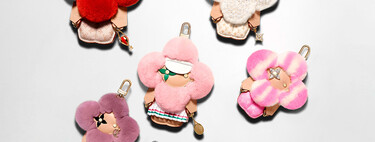
How Asia is Winning the Cultural Battle: The Rise of Labubu
When I visited China for the first time in November 2023, the overwhelming influence of Asian pop culture struck me. One interesting incident involved a colleague looking to buy a Labubu for his daughter. At the time, I had no clue what he meant. Fast forward a couple of years, and Labubus have skyrocketed to mainstream popularity, with brands like POP MART opening stores in iconic locations such as Gran Vía, Madrid. These quirky figures have even made their way into Western pop culture, featured in shows like South Park.
East Meets West: A Cultural Transformation
The opening of a POP MART store on Gran Vía signifies a larger trend where the East is shifting from being merely a manufacturing hub to becoming a potent cultural force. Asian pop culture, which was once largely confined to its borders, is now penetrating the mainstream markets of the West. This shift demonstrates a significant victory for Asian culture, particularly as it moves from niche appreciation to widespread acclaim.
The Allure of Labubu: More than a Toy
The Labubu phenomenon captivates diverse audiences—from celebrities like David Beckham and Rihanna to everyday collectors. Initially created in 2015 by Hong Kong artist Kasing Lung, the figures saw a meteoric rise in popularity when POP MART began selling them in surprise boxes in 2019. This “closed box lottery” model makes acquiring a Labubu exhilarating; you never know which one you’ll get, creating excitement akin to that of a video game.
The Labubus appeal to various demographics, bridging age divides. Millennials and Gen Z adults find them not just nostalgic collectibles, but also symbols of status. It’s not uncommon to see these figures selling out, with fans lining up as if for concert tickets. Recently, one human-sized mint green Labubu was auctioned for a staggering 230,000 Australian dollars, illustrating their newfound desirability.
The Intersection of Identity and Consumer Culture
Labubus symbolize more than mere toys; they embody individual identity and belonging. Owning an exclusive edition conveys status and emotional resonance. This phenomenon is a testament to the evolving consumer culture that resonates deeply with millennials and Gen Z, whose purchasing behaviors tend to intertwine with gaming and financial savvy.
The cultural clash gets amplified when it comes to sales. POP MART has even had to suspend sales in cities like London due to overcrowding, underscoring the intensity surrounding these collectibles. In many aspects, Labubu has become the face of Chinese soft power, representing a shift in the narrative surrounding Chinese cultural exports.
A Shift in Global Perception: China’s Cultural Influence
China, the world’s second-largest economy, has often lagged in terms of soft power. Historically, its rich cultural heritage has been overshadowed by stereotypes and Western perceptions of quality. However, Labubu showcases a new narrative—China is not just a factory of goods but also a creator of desire. With more products entering Western markets and a growing presence on social media platforms, Asian pop culture is earning its place in the global spotlight.
Future Prospects: Following in the Footsteps of Japan and Korea
China’s trajectory closely follows the paths taken by Japan and South Korea, both known for their cultural exports in fashion, anime, and gastronomy. Japan has long embraced initiatives like “Cool Japan,” aimed at promoting its creative industries. Meanwhile, South Korea has successfully leveraged the Korean Wave, achieving global fame with K-pop and films like Parasite. China’s current journey with Labubu represents a unique third way, focusing on intellectual property, lifestyle, and trends.
As Western markets embrace these new cultural icons, the future looks promising for Asia’s cultural exports. Whether Labubu is merely a passing fad or the beginning of a larger cultural narrative remains to be seen, but its emergence undoubtedly marks a significant milestone in the ongoing cultural battle.
The narrative is shifting, and Labubu stands as a testament to Asia’s triumphant rise in global cultural influence.