
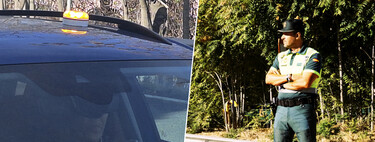
Revolutionizing Traffic Control: The Connected V16 Beacon
The connected V16 beacon is set to become mandatory on January 1, paving the way for a more interconnected and intelligent traffic system in Spain. According to Pere Navarro, director of the DGT (Dirección General de Tráfico), this device is merely the first component in an extensive initiative that aims to minimize road accidents through advanced technology. During an interview on Public Mirror, Navarro hinted at future innovations like “connected cones” and other smart signage elements.
The Vision for a Fully Connected Traffic Network
Taking inspiration from countries like China, Singapore, and Japan, the goal is to create a fully connected traffic ecosystem. In China, for instance, applications such as Amap allow drivers to know in real time how long they have to wait for traffic lights. This interconnected infrastructure includes traffic lights, cameras, and vehicles, all designed to improve traffic flow and enhance safety.
Spain, with the DGT leading the charge, appears poised to follow this modern model, aiming for a seamless blend of technology and transportation.
The Brain Behind the Operation: DGT 3.0
At the core of this intelligent network is the DGT 3.0 platform. Once a driver activates their V16 beacon in the event of a breakdown or accident, the device immediately transmits its location via IoT networks within approximately 100 seconds. This critical data is then relayed to roadside information panels, navigation applications, and other connected vehicles, ensuring that all drivers are informed in a timely manner.
Importantly, Navarro emphasizes that the system prioritizes user privacy: “We do not collect personal data. When you purchase the beacon, no personal information is requested.” This commitment to privacy ensures that drivers can utilize the technology without fearing constant surveillance.
The Next Steps: Smart Cones and Advanced Signaling
Following the V16 beacon, the next innovation on the horizon is the introduction of connected cones. Designed to alert drivers about road work, special events, and other hazard points, these cones will function similarly by sending location data to DGT 3.0. This will provide drivers with essential warnings in advance, enhancing safety on the roads.
The V-27 Signal: Advancing In-Car Alerts
Another significant feature is the V-27 signal, a triangle with an exclamation mark that will appear on the dashboards of compatible vehicles when an incident is detected nearby. This alert system will be invaluable on secondary roads where illuminated panels may not be present, offering early warnings of potential dangers.

Towards a Future of Autonomous Vehicles
The comprehensive connectivity envisioned by the DGT is a crucial step toward facilitating the era of autonomous vehicles. By maintaining real-time data on breakdowns, traffic conditions, and road hazards, accident prevention becomes significantly more manageable. This layer of information is essential for the smooth operation of self-driving technology, laying the groundwork for a safer transportation future.
Fostering Flexibility in Implementation
Navarro reassures that the introduction of the V16 beacon will not lead to immediate punitive measures. During the transition period, law enforcement will take a flexible approach, emphasizing enhanced road safety over fines. The focus is on encouraging compliance and improving driver education while adapting to the new system.
Overall, these advancements mark a significant leap forward in traffic management, not only improving safety but also setting the stage for future innovations in autonomous driving.