
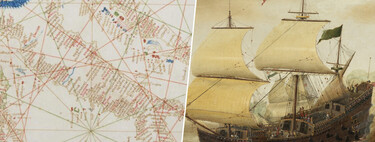
The Departure of John Franklin
On May 19, 1845, Captain John Franklin and his crew set sail from Greenhithe Harbor, embarking on a quest to discover the elusive Northwest Passage—a maritime route believed to connect the Atlantic and Pacific Oceans via northern Canada.
The Mystery of Their Disappearance
After their departure, Franklin and his crew of 129 men vanished without a trace. The mystery surrounding their disappearance became a profound enigma in the annals of exploration. For 170 years, questions lingered about their fate, and recent studies have begun to reveal the threads of their tragic loss.
Poor Preparations and Leadership Decisions
The expedition was marred from the outset by questionable decisions in leadership. Initially, the Admiralty approached other renowned explorers, including William Edward Parry and James Clark Ross, who declined due to tiredness and personal commitments. Ultimately, John Franklin, a celebrated figure, accepted the command despite being nearly 60 years old. Many have speculated why he chose to undertake this perilous journey.
Journey and Initial Discoveries
Departing from the mouth of the Thames, the expedition made an initial stop in Orkney before heading into Arctic waters aboard two main vessels: HMS Erebus and HMS Terror.
While waiting for favorable conditions to navigate the Strait of Lancaster, they became trapped in the ice. The expedition’s hardships eventualized into despair, as they later succumbed to multiple threats, including harsh weather and scarcities.
Search and Discovery
After hearing nothing for two years, Lady Jane Franklin initiated a public outcry for their rescue, leading to multiple expeditions by the Admiralty. Despite earnest efforts, including eleven ships attempting to locate the lost crew in 1850, significant findings were limited.
In 1855, following Inuit accounts, disheveled scraps and a message from Franklin were discovered, revealing that the crew had indeed faced catastrophic conditions. Notably, they found documents indicating the ships had been trapped in ice.
Factors Leading to Their Demise
Years of research have indicated several factors contributing to the demise of Franklin’s crew. Initial theories pointed towards lead poisoning due to improperly sealed tin food cans. However, recent studies from the remaining crew members revealed a different culprit: zinc deficiency.
Zinc Deficiency and Health Complications
The implications of low zinc levels highlight a web of complications, including immune system decline and emotional instability, potentially leading to internal discord among the men. This deficiency rendered them more susceptible to diseases like tuberculosis and pneumonia, exacerbating their dire circumstances.
A Lasting Legacy
Despite their tragic fate, the quest for answers surrounding Franklin’s expedition has continued for more than a century. Recent technological advancements and historical research have shed light on unresolved mysteries, signifying both the flaws of their planning and the resilience of human curiosity in the face of overwhelming odds.