
The Rise of the Crying Wrapped Phenomenon
This year, a new twist on the popular Spotify Wrapped trend has emerged: the Crying Wrapped. While Spotify’s original Wrapped feature focuses on musical tastes, this trend offers a humorous lens into emotional experiences, particularly among Generation Z. The Crying Wrapped reflects how this generation uses social media as a platform for self-expression and emotional reflection, turning vulnerability into a viral trend.
Understanding #CryingWrapped
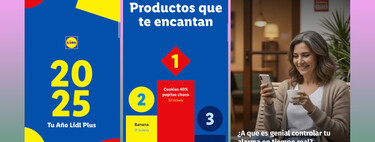
The hashtag #cryingwrapped, along with other variations like #crywrapped, has gained immense traction on TikTok. Users, primarily Generation Z, are sharing detailed accounts of their tears throughout the year using infographic formats resembling those of Spotify Wrapped. These presentations include statistics on when and why they cried, categorizing their emotional breakdowns into amusing yet relatable segments such as “crying in the office bathroom” or “crying while watching a series.”
Game-like Emotional Storytelling
Rather than simply present a list of misfortunes, Crying Wrapped transforms emotional struggles into playful competitions. Users create charts and graphs to visualize their crying episodes, sharing them with an inherent sense of irony. Videos following viral trends, like that of TikTok user @rachel_ginter, showcase how this gamification turns emotional expression into content meant for sharing, wrapping vulnerability in the aesthetics of corporate presentations.
The Upward Trend of Personalized Digital Summaries
Since its launch in 2016, Spotify Wrapped set the stage for a tidal wave of personalized digital summaries. Brands like Letterboxd and Reddit have joined in, but the Crying Wrapped trend allows individuals to curate their emotional experiences. Tools such as Google Sheets and Canva enable users to create unique infographics to document their feelings in a structured format. In essence, everyone is encouraged to evaluate their year emotionally, making it a shared cultural language.
The Mental Health Crisis Behind the Humor
While the Crying Wrapped may seem light-hearted, it reflects a deeper reality. A McKinsey Health Institute report revealed that almost 18% of Generation Z rates their mental health as poor. Their complex relationship with social media plays a role; while users report negative effects, over half acknowledge various benefits like self-expression and community support.
Humor as a Coping Mechanism
Research from UCLA on dark humor used by Generation Z reveals that such humor often serves as a “language of solidarity.” Rather than trivializing their emotional pain, they use it to relate and connect with others. This confessional style, where sincerity intertwines with irony, creates a unique form of catharsis. Nonetheless, there exists a risk that this humor could normalize harmful thought patterns, blurring the line between emotional processing and the commodification of suffering into social capital.

Conclusion
The Crying Wrapped phenomenon encapsulates the unique emotional landscape of Generation Z. Balancing humor and vulnerability, this trend exemplifies how digital platforms serve not only as a medium for self-expression but also as a space for emotional connection. As this generation navigates their mental health challenges, Crying Wrapped stands as a testament to their resilience, showcasing that sometimes laughter is indeed the best medicine.