
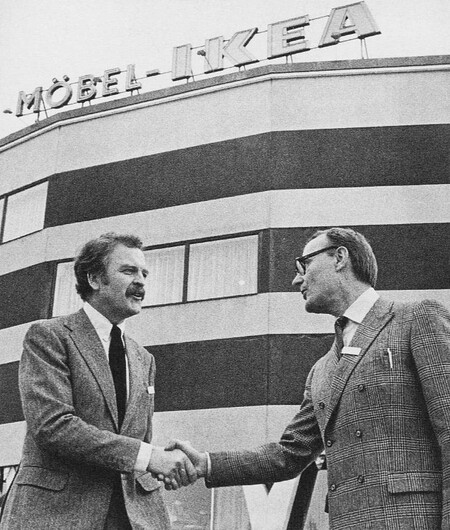
The Frugal Mindset of Ingvar Kamprad
You may have opinions about Ikea, but there’s no denying the success of the company. A pivotal figure in its rise was its founder, Ingvar Kamprad. Though he passed away with billions to his name, his core principle for success was surprisingly simple: never spend more than necessary.
Early Life and Entrepreneurial Beginnings
When you picture the creator of the Ikea empire, you might envision someone living a lavish lifestyle. However, Kamprad challenged this stereotype. Born in Sweden in 1926, he was a businessman from a young age. At just five years old, he sold matches and later ventured into selling bikes, fish, and Christmas decorations. By 17, he launched Ikea with money gifted by his father in recognition of his academic achievements—not selling furniture initially, but rather, small household items.
A Revolutionary Approach to Furniture
Kamprad revolutionized the furniture industry in 1956 by introducing flat-pack furniture, which allowed customers to assemble their purchases at home. This innovative sales strategy kept costs low and significantly contributed to Ikea’s success. By making furniture affordable and accessible, Kamprad’s vision created one of the most successful retail business models in history.
A Billionaire with Simple Habits
Despite amassing an estimated net worth of $58 billion, Kamprad retained a remarkably humble lifestyle. He emphasized the importance of saving, often stating, “Everything we earn we need as a reserve.” His frugality extended to his personal choices: he famously flew economy class, stayed in budget hotels, and drove a 20-year-old Volvo 240 GL, only retiring it when safety became a concern. Living by the motto of his hometown in Småland, where thriftiness is valued, Kamprad’s habits exemplified his philosophy.
Life Lessons Through Anecdotes
A revealing anecdote from 2008 showcased Kamprad’s frugal mindset. After paying around 22 euros for a haircut in the Netherlands, he lamented that it exceeded his usual budget, preferring to have haircuts done in developing countries.
Business Philosophy and Employee Guidance
Kamprad’s frugality wasn’t just personal; it permeated Ikea’s corporate culture. He promoted low-cost travel and accommodations among executives, making thriftiness a company-wide ethos. In 1976, he distributed the “Testament of a Furniture Dealer,” a booklet filled with guidelines that emphasize the importance of minimizing waste, stating that “wasting resources is a mortal sin at Ikea.”
His Legacy and the Future of Ikea
Before his death, Kamprad established a complex legacy by placing Ikea’s ownership within a network of foundations. His assets were not passed down directly to his heirs. The Stichting Ingka Foundation, dedicated to charitable causes and innovation, controls most Ikea operations. This structure reflects Kamprad’s desire to preserve Ikea’s culture and ensure its sustainability.
What ‘Ikea’ Stands For
Lastly, many may not know the origins of the name “Ikea.” It combines Kamprad’s initials and those of the family farm (Elmtaryd) and the nearest town (Agunnaryd) where he was born.
Kamprad’s story serves as a powerful reminder that success doesn’t always come from extravagant spending but often from a disciplined and thoughtful mindset.