
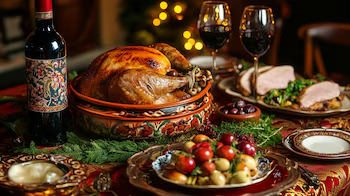
Caloric Content of Christmas Eve Dinner in Peru
In Peru, December heralds the festive spirit, where traditional Christmas dinners become a canvas for cultural expression. The culinary offerings during Christmas Eve are not only delectable but also loaded with calories. Estimates suggest that on December 24, a Peruvian can consume over 2,000 calories during dinner alone. This number is alarming as it almost doubles the recommended calorie intake for a single meal.
The Ingredients and Their Impact
This hefty caloric intake can be attributed to various factors, including the type of meats, side dishes, desserts, and sugary beverages that dominate the table. Traditional Peruvian staples often combine rich flavors with a heavy focus on meats and creamy sides, making the meal both hearty and indulgent.
Health Risks and Concerns
The Peruvian Ministry of Health has raised alarms about the dietary habits observed during holiday celebrations. Regular consumption of high-fat and high-sugar foods can lead to significant weight gain, with individuals expected to gain between 4 to 5 kilos during this festive season. The cumulative effects of these dietary choices can also lead to elevated triglyceride, cholesterol, and glucose levels, triggering metabolic imbalances that may not manifest until weeks or months later.
Impact Beyond Christmas Eve
The problem extends beyond the traditional dinner. The pre- and post-Christmas gatherings contribute to a prolonged period of high calorie consumption, making it difficult for individuals to return to healthier eating habits in January. This continuous indulgence fosters a cycle that persists long after the holiday season has ended.
Prominent Holiday Foods
Among the most popular items on the Peruvian Christmas table are panettone, hot chocolate, and other festive baked goods, which have seen a remarkable increase in sales. The Peruvian Association of Bakery and Pastry Entrepreneurs anticipates a 20% rise in panettone sales during the 2025 holiday season compared to 2024. These sugary items not only appear during the main dinner but also make their way into breakfast and snacks, escalating the overall consumption of simple sugars.
Consequences for Children and Adolescents
Specialists express concern that the dietary imbalance affects not just adults but children and adolescents as well. UNICEF projects that by 2030, over 1 million children in Peru will struggle with obesity, primarily linked to high consumption of ultra-processed foods alongside a lack of fresh produce.
Striking a Balance During The Holidays
In light of the potential health issues, experts like nutritionist Linda Flores emphasize the importance of mindful eating during the holiday festivities. Rather than abstaining entirely, she encourages individuals to enjoy with awareness and balance. This approach includes selecting dishes ahead of time, serving moderate portions, and complementing traditional foods with salads or fruits rich in fiber.
Practical Tips for Healthier Celebrations
- Maintain a routine to prevent arriving at gatherings excessively hungry.
- Opt for smaller servings of sweets and processed items.
- Listen to your body’s signals to avoid overindulgence.
Ultimately, while the holiday season is a time for celebration and enjoyment, small adjustments in eating habits can play a significant role in preventing weight gain and promoting long-term health.