
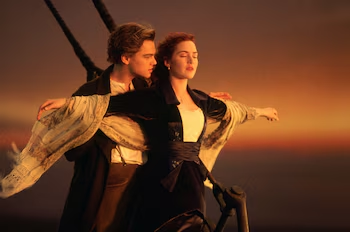
The Moment of Chemistry: DiCaprio and Winslet
The casting of Titanic became a pivotal moment in the careers of Leonardo DiCaprio and Kate Winslet. Initially, DiCaprio appeared uncertain and even displeased during auditions, while Winslet showed an unwavering determination to secure the role of Rose. James Cameron, the director, was looking for young, unknown actors to personify the characters of Jack and Rose. After an unexpected chemistry test, everything changed for DiCaprio, who immediately found his rhythm with Winslet. This moment marked the birth of a unique on-screen partnership, one that would captivate audiences around the world.
Cameron’s Vision Against All Odds
James Cameron was adamant about his vision for the film, often feeling the weight of the producers’ concerns regarding the burgeoning budget and lengthy runtime. “In order not to let me decide, they are going to have to fire me, and to throw me out they are going to have to kill me,” he famously stated. The film’s production ballooned to over $200 million, making Titanic the most expensive film of its time. Despite skepticism from the studio, Cameron’s blend of drama, romance, and groundbreaking special effects proved to be a financial gamble worth taking.
A Story Rooted in Tragedy
Cameron’s fascination with shipwrecks, particularly the Titanic disaster, drove the film’s narrative. He intended to weave a poignant love story amidst the backdrop of historical tragedy. The romantic arc of Jack and Rose unfolds against the cataclysm of the iceberg collision, a duality of hope and despair that resonates deeply with viewers. The film brilliantly encapsulates this intersection, leaving audiences both enchanted and heartbroken.
Building the Titanic
Creating a near-full-scale replica of the Titanic became an enormous task, involving the construction of sets on 162,000 square meters of beach in Baja California, Mexico. This commitment to authenticity not only embodied Cameron’s perfectionism but also emphasized the sacrifices made during production, including 160 days of intense filming.
The Iconic Scenes
The film is famed for several breathtaking moments, none more significant than the notorious Grand Staircase flooding scene. Cameron planned it meticulously, understanding that failure was not an option. The flood was executed with 340,000 liters of water, dramatically impacting both the set and the actors involved. Such scenes demanded rigorous planning and executed passion, and the results speak for themselves.
The Musical Heartbeat
While Cameron initially sought an instrumental score, the eventual inclusion of “My Heart Will Go On,” sung by Celine Dion, became one of the defining features of the film. The song transcended beyond mere background music; it became synonymous with the love story, marking a significant moment in cinematic history. The collaboration between composer James Horner and lyricist Will Jennings proved to be fortuitous. The song turned into a cultural phenomenon and remains celebrated to this day.
Legacy and Impact
Upon its release, Titanic shattered box office records, holding the title of the highest-grossing film for over a decade, eventually amassing $2.264 billion worldwide. It received critical acclaim, amassing eleven Oscars, a testament to its monumental impact on cinema. DiCaprio and Winslet’s chemistry, along with Cameron’s vision, forged a legacy that continues to ignite debates among fans and cinema enthusiasts alike.
Conclusion
Ultimately, Titanic serves as a classic example of love realized amidst adversity, brilliantly articulated through the chemistry of DiCaprio and Winslet and Cameron’s visionary direction. The combination of a tragic story, outstanding performances, and a timeless soundtrack solidified its status as an iconic work of art, ensuring its place in film history.