
Yina Calderón’s Annual Frustration: The Old Year Doll Debate
The arrival of the new year in Bogotá reignites an age-old tradition—the creation of Old Year dolls, often made to resemble controversial public figures. This year, the spotlight falls on Yina Calderón, a prominent social media influencer, who has voiced her irritation over her repeated portrayal in these dolls.
The Viral Doll’s Impact
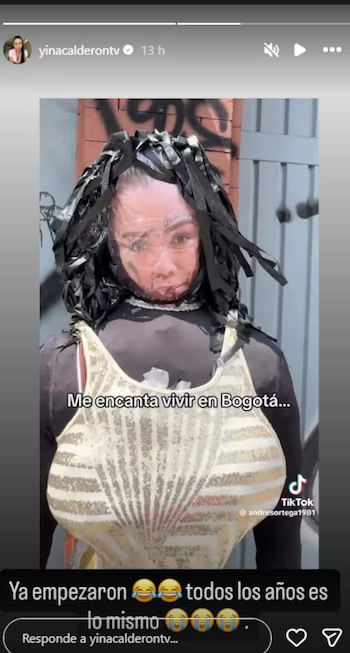
In a popular neighborhood of Bogotá, an Old Year doll featuring Calderón’s face has gone viral, featuring her signature yellow blouse. The doll is traditionally constructed to symbolize the burning away of negative aspects from the past year, making it quite an impactful visual representation in Colombian culture.
Calderón’s response was swift and clear. Announcing her displeasure on social media, she stated, “They have already started, every year it is the same.” Just weeks prior, she had made a public appeal asking not to be included in this yearly custom. Her sentiments highlight the impact of this tradition on her personal and public image.
Why Yina?
The tradition of creating Old Year dolls is deeply rooted in Colombian customs, designed to represent everything unwanted in the past year. These figures are typically composed of old clothes, cardboard, and sawdust, and are burned during New Year’s celebrations. Famous figures or those embroiled in controversy are often chosen, and Calderón, a contestant on “The House of Famous Colombia,” is no stranger to being featured due to her polarizing public persona.
In her Instagram posts, she has questioned the rationale behind using her image. “Why do they have to burn me, there being so many figures to burn from the old year?” she asked, emphasizing that her appearance in these dolls doesn’t truly represent her as a person but rather leverages her notoriety.
Digital Reaction and Cultural Commentary
The news of the doll quickly stirred a variety of reactions across digital platforms, with many users sharing memes and humorous content. This trending topic reignited discussions regarding Calderón’s status in popular culture, as viewers vocally debated the frequency of her inclusion in such traditions.
Despite the humorous nature of the outrage, it prompts deeper reflections surrounding media representation and celebrity culture in Colombia. The phenomenon creates a unique intersection between entertainment, personal identity, and social commentary.
Calderón’s Ongoing Journey
Known for her strong media presence, Yina Calderón continues to navigate the complex dynamics of fame. Recently recognized as “La Patrona” in the reality show “Luinny’s Mansion,” she won a significant cash prize of $30,000, yet feels misunderstood by her homeland, declaring, “I’m not going back to Colombia, I’m staying in the Dominican Republic. Colombia doesn’t love me.”
As the Old Year dolls spread through neighborhoods, Calderón remains at the center of a cultural debate that transcends humor, diving into discussions about fame, identity, and personal representation within popular culture.
Conclusion: Tradition Meets Individuality
The ongoing saga of Yina Calderón and the Old Year dolls serves not only as entertainment but also as a catalyst for discussions about celebrity culture in modern society. As traditions evolve, so too does their impact on individuals within those narratives, prompting a reevaluation of how public images are crafted and critiqued. Whether Calderón will ever be able to break away from this annual cycle of representation remains to be seen, but her voice continues to resonate amidst the flames of public discourse.