
Washington Accords: A Key Step Towards Peace in Central Africa
The signing of the Washington Accords marks a pivotal moment in East Africa, specifically in the relationships between the Democratic Republic of the Congo (DRC) and Rwanda. Spearheaded by Presidents Félix Tshisekedi and Paul Kagame, along with U.S. President Donald Trump, this agreement aims to end a cycle of violence that has plagued the region for years.
Goals of the Washington Accords
Among its primary objectives, the Washington Accords emphasize justice and reconciliation. Key commitments include:
- Permanent Cessation of Hostilities: The pact stipulates an enduring end to conflicts between the two nations.
- Disarmament of Armed Groups: A focus on dismantling militant factions will be vital for stabilizing the region.
- Safe Return of Displaced Persons: The agreement ensures that displaced individuals can return to their homes without fear.
Guterres’ Endorsement
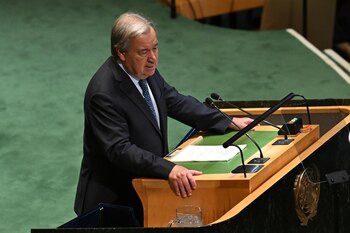
António Guterres, the Secretary-General of the United Nations, lauded the signing as a “fundamental step” toward lasting peace. He recognized the importance of the U.S. engagement in these negotiations and praised the collective effort made by the involved parties. Guterres called for strict adherence to the commitments outlined in the accords, highlighting the significance of rebuilding mutual trust after decades of tension.
Context of the Agreement
The backdrop against which these accords were signed is marked by increased instability in Eastern DRC, particularly with the rise of the M23 rebel movement. This group, predominantly consisting of Congolese Tutsi fighters, has heightened tensions between Kinshasa and Kigali. DRC officials accuse Rwanda of supporting M23, while Rwanda claims the DRC is targeting the Tutsi community through collaboration with armed groups linked to the 1994 genocide.
Implementation Challenges
While the Washington Accords lay out a roadmap toward peace, practical implementation remains complex. The agreement stresses accountability for past crimes and outlines mechanisms for the safe reintegration of displaced individuals and ex-combatants into civilian life. It seeks to promote transparency and protect the rights of victims to foster social cohesion.
International Support
The accords have garnered approval from both the UN and various African regional organizations, which view the agreement as an opportunity to disrupt patterns of violence in Central Africa and initiate a phase of political and economic stability. The United Nations Integrated Stabilization Mission in the Democratic Republic of the Congo (MONUSCO) will maintain its presence to ensure adherence to the commitments and assist with ongoing humanitarian emergencies.
The Road Ahead
The dynamics following the signing of the Washington Accords are crucial. International forces will continue to monitor the situation, with the UN emphasizing the need for rigorous respect for the agreed terms. Successful monitoring and evaluation of peacekeeping efforts will be vital for maintaining security and promoting good governance in the region.
Conclusion
The reconciliation process laid out in the Washington Accords aims to rebuild community and political life in Central Africa. While this agreement holds promise for a more peaceful future, the commitment from all involved parties will determine the next steps in achieving stability and justice for a region that has suffered for far too long. The international community’s ongoing support and engagement will be key to realizing the potential of this significant diplomatic breakthrough.