
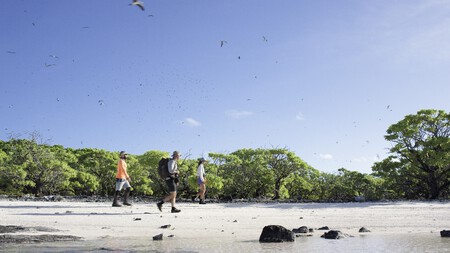
The Transformation of Bikar Atoll and Jemo Island
A Hidden Paradise
If you were to explore Bikar Atoll and Jemo Island using Google Earth, you’d be greeted with breathtaking views of turquoise waters and white sandy beaches. However, for decades, these islands faced a significant ecological threat: an infestation of rats that wreaked havoc on their delicate ecosystem.
The Rat Problem
Nestled in the Marshall Islands, a republic in Micronesia, Bikar Atoll and Jemo Island were historically recognized for their rich avian life. Spanish explorers, mesmerized by the abundance of birds, even named Jemo “The Birds.” However, over time, invasive rodents infiltrated the islands via ships, decimating local bird populations by feeding on their eggs and disrupting overall biodiversity. This rodent invasion has had devastating effects on flora and fauna, drastically altering the islands’ ecosystems.
The Conservation Campaign
In July 2024, a pivotal change began when Island Conservation, in collaboration with the Marshallese Marine Resources Authority, launched a campaign aimed at eradicating the rats. Utilizing cutting-edge technology, including drones, they distributed specially designed baits across the islands, ensuring minimal impact on native species while covering extensive areas.
Signs of Recovery
Months after the campaign’s initiation, researchers returned to assess the situation. Paul Jacques, the director of Island Conservation, expressed his excitement about the findings. Their observations confirmed that the rat population had significantly declined. The ecological changes were evident: a thriving colony of sooty terns was discovered with hundreds of chicks in areas where no birds had nested before. Additionally, thousands of seedlings of the native Pisonia grandis began to sprout in previously barren soil.
The Ripple Effect on Ecosystem
The absence of rats has led to a remarkable transformation. Various species, including turtles, crabs, and seabirds, began to flourish once again. More birds now equate to increased guano, enriching the soil and promoting the growth of native vegetation and healthy reefs. This regeneration is not merely a visual improvement but crucial for the ecological health of the islands, supporting nesting seabirds and aiding in carbon absorption.
Broader Implications for Biodiversity
The success of the conservation efforts on Bikar and Jemo islands serves as a compelling model for wider ecological strategies. As noted by Island Conservation, this approach highlights the interconnectedness of land and sea conservation, potentially increasing resilience against climate change and supporting broader biodiversity.
Moreover, the revitalization of these islands directly benefits nearby communities. For instance, the residents of Likipe, who have historically depended on the resources of Jemo, are experiencing improved access to crabs and a hopeful future for sustainable fishing. The success story of Bikar and Jemo encourages further exploration into integrated conservation methods that could be applied across other regions.
Conclusion
The transformation of Bikar Atoll and Jemo Island showcases the remarkable resilience of nature in the face of invasive threats. With concerted efforts in conservation, ecosystems can recover, leading to revitalized biodiversity not just for the islands but for surrounding communities as well. The changing landscape of these beautiful islands is a testament to the power of ecological restoration and the positive impact of human intervention when done thoughtfully.