
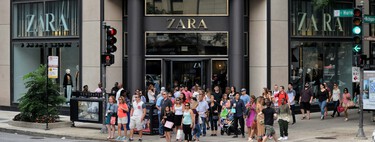
Zara’s Shift Towards Luxury: The New Boutique on Avenida Diagonal
Zara recently reopened its store on Avenida Diagonal in Barcelona, transforming it into a stunning boutique designed by renowned Belgian architect Vincent Van Duysen. Spanning nearly 1,000 square meters, this innovative space mimics a luxurious home with features including sofas, sleek display cabinets, wooden shelves, and warm lighting. The visual aesthetic turns the garments into true works of art, showcasing them in an inviting, museum-like atmosphere.
Architectural Vision: Vincent Van Duysen
Vincent Van Duysen, known for his previous collaborations with brands like Ferragamo and Calvin Klein Jeans, brings his vision to Zara for the first time. This new design is a clear departure from traditional store layouts, focusing instead on creating an immersive shopping experience.
The Importance of the Barcelona Boutique
Inditex, Zara’s parent company, implicitly acknowledges that its previous store strategies are no longer sustainable. The new Barcelona boutique indicates a strategic shift toward enhancing customer experience rather than merely focusing on sales volume. Remarkably, while the pricing remains consistent with other Zara locations, the emphasis on luxury packaging is aimed at directly competing with high-end brands that also line the prestigious Avenida Diagonal.
Specific Store Concept
This Barcelona boutique is only the second store designed by a prominent architect for Zara, following the Serrano location in Madrid, also revamped by notable creative minds. This commitment to quality design underscores Zara’s recognition of Barcelona as a crucial location, housing the headquarters of five Inditex brands, including Zara itself.
Strategic Risk and Future Prospects
Despite its innovations, Inditex has made it clear that this boutique concept won’t be replicated across all stores. Roberto Martín, the director of Zara in Spain, highlighted that such unique designs will be reserved for specific cities. This approach presents a strategic risk: Zara has invested heavily in a location that offers no price advantages yet aims to redefine its image.
A Shift from Fast Fashion to Fast Couture
This new project aligns with Marta Ortega’s vision since she became president of Inditex to distance Zara from its fast fashion label and move toward the emerging niche of fast couture. By hiring a designer of Van Duysen’s caliber, Zara embraces luxury design principles without adjusting its pricing, akin to practices employed by high-end brands such as Chanel and Louis Vuitton.
Market Relevance and Competitive Landscape
The backdrop to this move is significant—Zara experienced its lowest quarterly growth since the pandemic in early 2025, with sales increasing by merely 0.89%. To maintain its leadership in the volatile retail environment, Zara needs to prove it can sustain relevance beyond just fast turnover and volume.
Future Laboratory: Expansion Plans
Barcelona isn’t the only testing ground for this innovative approach. Inditex is also expanding its flagship store in Plaza Catalunya to create one of the largest global Zara outlets, encompassing over 6,500 square meters. The design features a carefully curated interior with various stylistic rooms, illustrating the brand’s commitment to quality and experience.
Conclusion: The Balance of Affordability and Premium Aspirations
As Zara endeavors to redefine its identity within the fashion landscape, it places itself strategically between budget-friendly brands like H&M and luxury artisans in exclusivity. The boutique concept serves as the most concrete attempt to balance these aspirations. Ultimately, time will tell if Zara can successfully navigate this intricate landscape and secure a sustainable competitive advantage.
Featured image | Zara