
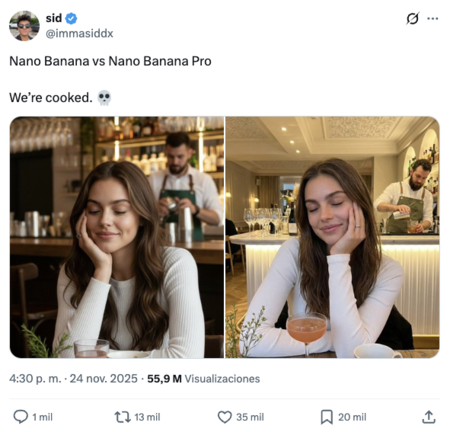
Welcome to the Era of Permanent Visual Doubt
The Erosion of Trust in Images
Not long ago, seeing a picture online was a moment of acceptance. We took images at face value, treating them as reflections of reality without a second thought. However, that moment is now irretrievably lost. In today’s digital landscape, we grapple with the unsettling reality that images can no longer be trusted as authentic records.
The Rise of Easy Manipulation
The technology used to create convincing fake images has reached a level of sophistication that is unsettling. It’s no longer just skilled deepfakes or complicated digital interventions; anyone with basic digital skills can fabricate images almost effortlessly. Consider these scenarios:
- Your brother-in-law can conjure a photo of you in a drunken stupor at a party you never attended.
- An ex can digitally manipulate pictures to portray you in unflattering scenarios.
- A student could create a compromising image of a teacher in mere minutes.
This shift means we are now inundated with the ability for anyone to create “artisanal misinformation.” The tools are widely accessible, often requiring nothing more than a smartphone.
Changing Our Basic Assumptions
Our fundamental understanding of reality relies on visual principles: for millennia, seeing was a reliable indicator of existence. This has been shattered. Now, an image that appears real may be fabricated—no longer can we safely assume that anything we see is genuine.
The Consequences of Visual Deception
The ramifications extend far beyond simple deception. We have been conditioned to trust visual cues as knowledge—whether in legal testimony or personal memories. However, as we begin to question the authenticity of all visual content, we confront a deeper crisis: the assumption that the visual is a reasonable starting point for understanding.
The Illusion of Control
In recent years, we focused on combatting “fake news,” often believing we could manage this through fact-checking and digital literacy initiatives. Yet, the emergence of tools like the Nano Banana Pro has made it clear that the stakes are higher. Verification of images now feels insurmountable. It’s not just about misleading information from organized discord but about personal devices becoming “printing presses” for digital deceit.
The Shift Toward Verification
As we tread softly in this treacherous visual landscape, we might find ourselves yearning for certification—a lock beside our real images. This raises questions about authenticity and trust in our visual memories. Institutions like tech giants or governments, armed with resources to verify images, may soon hold the keys to what we can consider real.
The Toll on Memory and Interpersonal Trust
The worst aspect of this new reality is not merely disbelief in images but a creeping skepticism toward our memories. Photographs have long served as anchors for our recollections, and as their validation wanes, so does the reliability of our own cognitive frameworks. Each image demands scrutiny, exhausting our mental faculties and tainting what should be simple joys of life.
Navigating This New Landscape
As we enter an era filled with doubt, we must ask ourselves: how do we adapt? The task is not to regain trust in images, which many experts argue is practically impossible, but to cultivate a cultural and psychological resilience to cope with a world where nothing is spontaneous or pre-gauged as truthful.
Conclusion: Embracing Adaptation
As we embrace this shift, we acknowledge that the children of today will grow up in an environment where trust in images is heavily monitored and verified. The casual confidence that past generations once held has given way to a future in which every image is suspect. This marks the death of a traditional understanding of photography, reducing it to a mere echo of imagination.
Ultimately, as we navigate through the fog of visual doubt, we may find that the only constant is our ability to adapt culturally and psychologically. The era of visual doubt is upon us, and it demands innovative thinking to move forward.