
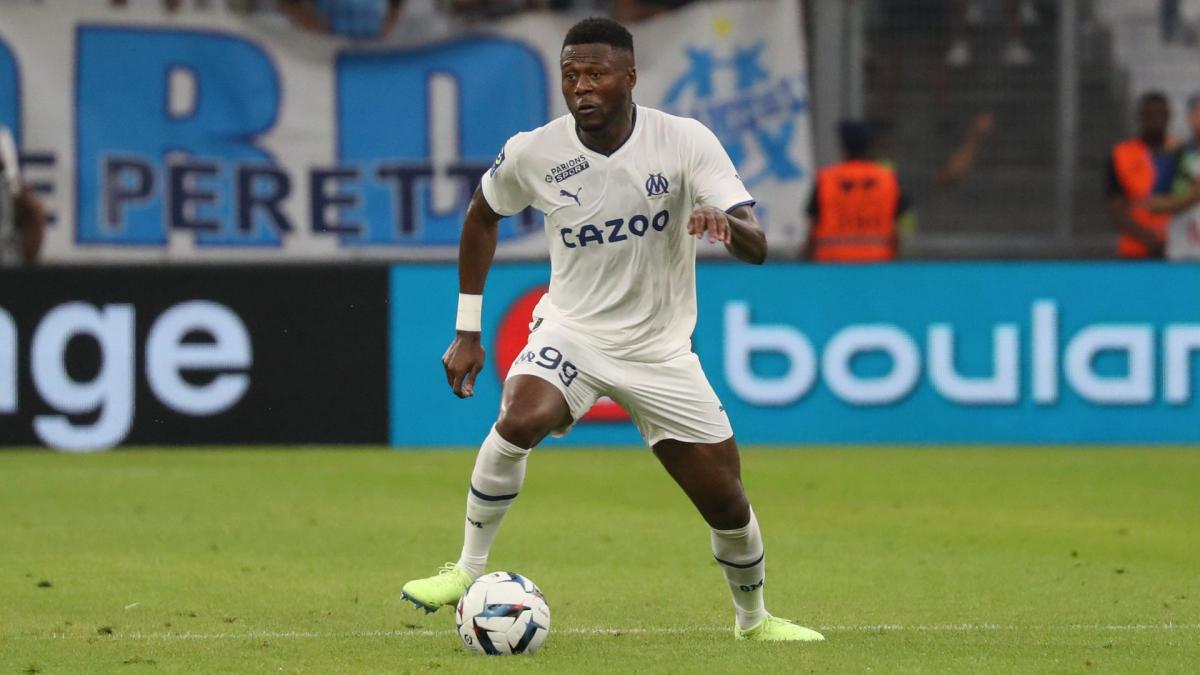
Chancel Mbemba: A Troubling Year at Marseille
An Unfortunate Departure
Chancel Mbemba’s time at Olympique de Marseille (OM) has been a turbulent saga, culminating in his exit from the club last summer. After spending an entire year sidelined without stepping onto the pitch in an Olympian jersey, the Congolese defender’s relationship with the club has soured. This dissatisfaction has led him to take legal action against his former employer, alleging mistreatment and unfair sidelining.
Legal Battles Ahead
The fallout from Mbemba’s discontent is now heading to the courts. He has officially filed a complaint against OM, and the grounds for this litigation stem from a year that he describes as torturous. This isn’t merely about soccer for Mbemba; it seems that the emotional impact of his sidelining has taken a toll as well. The decision to pursue legal action indicates that he seeks not only justice but also the acknowledgment of the difficulties he faced during his time at the club.
The Personal Toll: A Year of Torture
In a revealing interview with Canal+, Mbemba spoke candidly about his distressing experiences. He characterized his past year as a “moral torture” and suggested that the difficulties he faced went beyond the realm of football.
“If I know why I got into trouble with Marseille and I was left aside? My lawyer knows, but for me, it’s football. I suffered a year of torture in the press, moral torture, but I don’t know, I don’t know…” said Mbemba.
These insights indicate a level of frustration and confusion that many athletes can relate to. The pressure from the media and fan expectations can exacerbate mental health issues, especially when compounded by professional challenges like being benched.
The Media’s Role
Media speculation and narratives play a powerful role in shaping public perception. Unfortunately, the story of an athlete can often turn into tabloid fodder, leading to a cycle of judgment that may deepen their struggles. Mbemba’s case is no different; the press has scrutinized his performance and situation, which he describes as “moral torture.” This highlights the need for greater sensitivity in sports journalism, particularly regarding the mental health of athletes.
Moving Forward
As Mbemba navigates this challenging chapter in his career, his legal case will undoubtedly attract attention. Fans and pundits alike will be watching closely to see how this situation is resolved and what it means for the future of both the player and the club.
In sports, the human element often gets overlooked, and Mbemba’s story serves as a reminder of the complexities athletes face. A year of sidelining can alter not only one’s career trajectory but also mental well-being. As he moves forward, one can only hope that this experience leads to meaningful change in how clubs support their players—both on and off the field.
Conclusion
Chancel Mbemba’s turbulent year at Marseille illustrates the often-hidden struggles athletes endure. While the joy of playing at a professional level is widely celebrated, the accompanying challenges can pose significant mental health risks. As Mbemba seeks resolution through legal means, the entire sports community can learn from his experience, emphasizing the importance of empathy and support in the high-stakes world of professional athletics.