
Belgium in Turmoil: The Nationwide Strike Explained
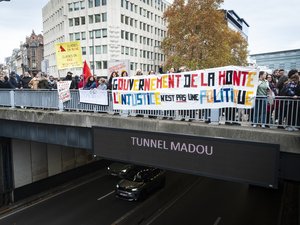
Since Monday, November 24, Belgium has been immersed in a state of unrest, with citizens mobilizing in the streets to voice their discontent against the government’s socio-economic reforms. This three-day strike, culminating on Wednesday, November 26, signifies the growing tensions within the nation.
A Wave of Disruption
The upheaval has led to massive disruptions across various sectors. In a situation reminiscent of France’s recent strikes, Belgium has seen a staggering halt in its transportation services. Many trains have been canceled, and air traffic stands still, affecting travelers nationwide. Furthermore, schools and nurseries have closed their doors, leaving families in a lurch.
The Catalyst: Retirement Age Reform
At the heart of the protest lies the government’s controversial plan to raise the retirement age from 65 to 67 years. This measure has sparked outrage among the populace, who feel that the government’s reform agenda disproportionately affects the working class and those nearing retirement. Bart De Wever’s center-right administration is facing a significant backlash as discontent continues to brew.
A Unified Front: Solidarity Across Sectors
The strike has seen widespread participation across various sectors, including garbage collection, postal services, and police forces. As highlighted by reports from 7 sur 7, all economic sectors are experiencing work stoppages. The organizers of the strike have called for an intersectoral general strike, and even the private sector is feeling the impact.
Effects on Daily Life: What to Expect
Travelers in Belgium are facing significant challenges as no flights are departing from Brussels or Charleroi airports. Public transportation services are also severely impacted, with only 50 to 60% of buses and trams operating in many cities. The capital, Brussels, is grappling with waste management issues as waste sorting services are suspended. Additionally, about 40% of postmen in Wallonia are joining the strike, causing delays in mail delivery.
The Broader Context: Thinking Ahead
This latest wave of protests is not an isolated incident; it builds upon earlier demonstrations that occurred in October against budget cuts announced by the government. The recurring themes of discontent point to a deep-seated frustration among Belgians over economic policies that many perceive as unjust. As the strike unfolds, citizens are left in a precarious situation, waiting for resolution and changes that may or may not come.
Conclusion: Navigating Uncertainty
Belgium stands at a crossroads as the three-day strike draws to a close. The collective action highlights the urgency for dialogue between the government and the populace. Only time will tell how the government responds to these challenges, but one message is clear: the voice of the people cannot be ignored. With tensions high and dissatisfaction palpable, the aftermath of this strike could reshape the political landscape in Belgium for years to come.