
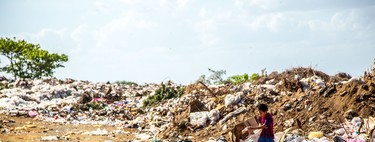
## The Evolution of China’s Garbage Crisis
Until a few years ago, China was the world’s willing dumping ground, importing vast quantities of waste to fuel its industrial growth. This dynamic shifted dramatically, leading to a critical juncture in China’s waste management approach today.
### The Advent of Incineration and the Unearthing of Landfills
China has transitioned from being an importer of waste to relying heavily on incinerators. Now, instead of garbage, what remains are incinerators desperate for fuel. This has prompted the disturbing trend of unearthing old landfills as incineration plants look for “new” waste to burn. Many of these facilities are reportedly burning refuse that dates back over two decades, as they scramble to maintain operational levels.
## The Great Chinese Love Affair with Garbage
In 2016, China imported approximately 7.35 million tons of plastic waste, while Hong Kong added another 2.85 million tons. Together, they accounted for nearly 70% of the global plastic waste market that year. The country, for years, had relied on waste from around the globe to sustain its industrial needs.
### 1980s: A Strategic Move
Faced with a shortage of raw materials in the 1980s, the Chinese government began importing waste that could be repurposed, including plastics and textiles. However, notorious practices proliferated, such as the importation of electronic waste, which was often dismantled under horrific environmental conditions.
## A Turning Point: The Crisis of Waste Management
By the late 2010s, the landscape began to change dramatically. Urban solid waste generation surged from 158 million tons to over 249 million tons in just a few years. Realizing that available landfill space was dwindling, the government initiated stricter environmental regulations. In 2017, over 800 companies faced prosecution for failing to meet recycling standards, and there were mass arrests for illegal garbage imports.
### The Import Ban and Its Fallout
China’s decision in late 2017 to ban the import of foreign waste created a shockwave across international waste markets. This move exacerbated an ongoing global waste crisis, marking a significant change in waste management strategies and exposing weaknesses in Western recycling systems.
## Boom in Incineration Capacity
During this period, the Chinese government championed incineration through its 12th Five-Year Plan (2011-2015), aiming to escalate the proportion of waste treated by incineration from 20% to 35%. This effort led to a rapid increase in incineration plants—from 428 in 2019 to over 1,010 by 2023. The initial goal of incinerating 800,000 tons of waste daily was achieved a full three years ahead of schedule.
### A Surprising Shortage of Waste
Today, incinerators across China face significant operational shortfalls due to an alarming lack of waste. Many facilities are functioning at reduced capacity, indicating that they have quite literally run out of fuel. This shortage has turned waste into a sought-after commodity, causing prices to rise as facilities compete for available refuse.
### Digging up the Past
To cope with the shortage, some areas in China have resorted to digging up old landfills, an unsettling phenomenon that reflects the desperation of incineration plants. This suggests a system built on instability and impermanence rather than a sustainable waste management policy.
## A Temporary Solution on Shaky Grounds
While recent years have shown a modest 10% increase in waste generation, experts caution that the current incineration system is unsustainable. Relying on this model represents a short-term fix rather than a long-term strategy for responsible waste management. As the volumes of waste continue to grow, China’s reliance on incineration may soon lead to a crisis of its own.
## The Ripple Effects of China’s Waste Crisis
The unfolding garbage saga in China offers critical lessons about global waste management. As China grapples with the implications of its past and present waste decisions, it is a reminder of how interconnected our world is and the urgent need for sustainable solutions.