
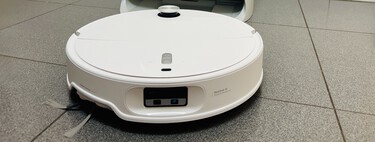
## The Decline of iRobot: A Sign of Chinese Dominance in the Robot Vacuum Market
The fall of iRobot, the pioneer of the robot vacuum cleaner, serves as a stark indicator that China has taken the lead in this industry. Having led the market for years, iRobot’s current predicament highlights how rapidly competitors can rise to prominence, particularly those from China.
### iRobot’s Troubling Financials
iRobot recently released its third-quarter results, revealing a dire situation. The company posted revenues of $145.8 million, a staggering decline of 33% in the United States, 13% in Europe, the Middle East, and Africa (EMEA), and 9% in Japan year-over-year. These numbers reflect not only market difficulties but also production delays and unexpected shipment interruptions. Presently, iRobot’s cash reserves stand at just $24.8 million, with no viable plans to generate additional revenue.
### The Origin and Decline of iRobot
Established in 2002 with the first Roomba model, iRobot dominated the market, even enjoying a 64% share as recently as 2016. However, the emergence of formidable competitors—particularly Chinese brands—has fragmented this share, leading to a significant loss of market power. By 2021, iRobot reached its peak valuation and has since experienced a relentless decline.
In a failed attempt to salvage the company, Amazon sought to acquire iRobot in 2022. However, regulatory hurdles in the EU derailed the agreement, highlighting the complexities of modern business interdependencies and the challenges that legacy firms face against nimble newcomers.
## Impending Bankruptcy
iRobot’s future hangs in the balance. In a recent document submitted to the Securities and Exchange Commission, the company indicated it could face bankruptcy as soon as December 1. A credit agreement with The Carlyle Group stipulates that iRobot must demonstrate operational viability and maintain core assets—a requirement it currently fails to meet. Having already received two extensions, the likelihood of further rescue measures appears bleak.
### Consequences for Consumers
For Roomba users, the implications of iRobot’s potential bankruptcy could be severe. The company has stated that it will continue to support existing products, but if the company ceases operations, its cloud services will likely be terminated. This would strip Roomba owners of app-based controls, relegating their devices to manual operation.
### Lessons from Other Companies
Even if iRobot files for bankruptcy, its cloud services might linger for a time; however, history shows that these services often vanish quickly after a company shuts down. A recent example is Neato Robotics, which ceased operations in 2023. Neato’s cloud functionality persisted for a period but was ultimately discontinued, leaving its devices in a manual-only mode.
### The Road Ahead
As iRobot falters, Chinese companies are poised to fill the void it leaves behind. Their agility combined with innovative technology has already reshaped the landscape. Brands such as Roborock and Ecovacs are not just competing; they are capturing significant market share and setting new standards for performance and affordability.
In conclusion, the collapse of iRobot illustrates how swiftly competitors can rise and how challenging it can be for established players to adapt in fast-evolving markets. The once-great giant has become a cautionary tale, proving that success is not guaranteed, no matter how pioneering a company may be.