
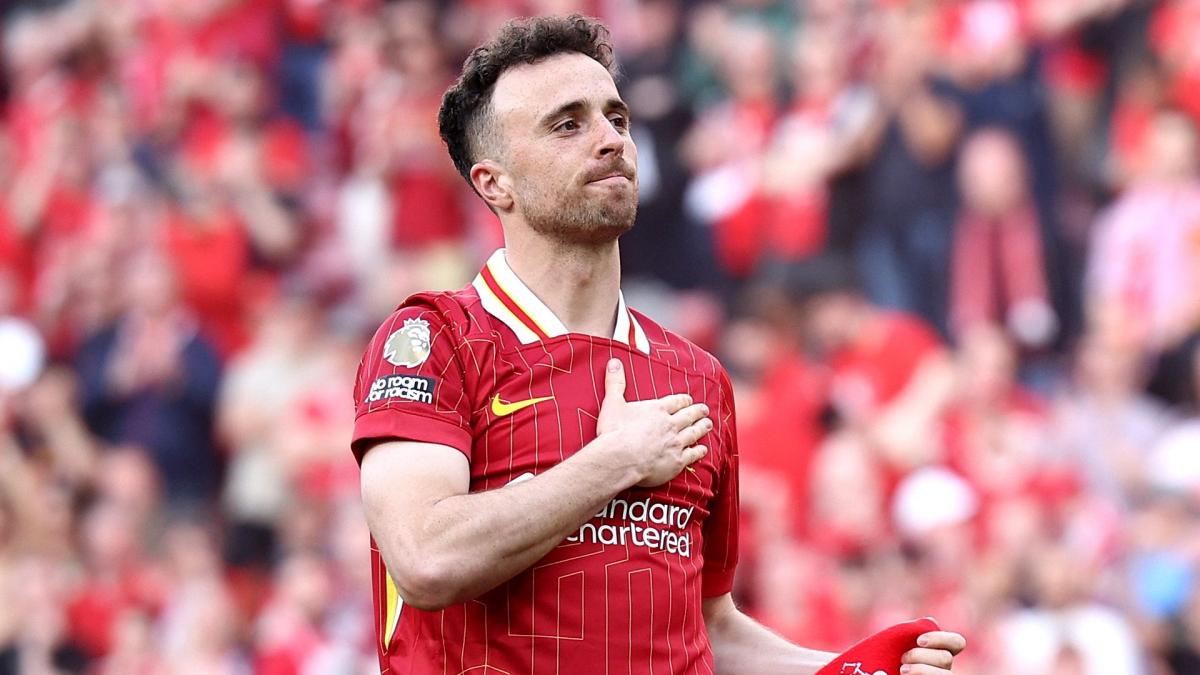
Cristiano Ronaldo’s Absence and the Tragic Loss of Diogo Jota
On July 3, the football community was left in shock after the tragic loss of Diogo Jota and his brother, André Silva, in a car accident in Portugal. This heartbreaking incident not only saddened fans but also struck a chord with fellow players and teammates. Among them was Cristiano Ronaldo, who expressed his sorrow through a heartfelt message online. However, his absence at the funeral drew criticism, prompting Ronaldo to finally clarify his reasons during an interview with Piers Morgan.
Reasons for Absence
In the interview, Ronaldo articulated two primary reasons for not attending the funeral. First, he spoke candidly about his relationship with public scrutiny, saying, “I get criticized a lot. Like I say, I don’t care, because when you have a clear conscience, you don’t have to worry about what people say.” This highlights the intense pressure that comes with being a global sports icon; every action is scrutinized, and sometimes, it feels easier to withdraw.
Furthermore, he shared a deeply personal point: since the passing of his father, he has chosen not to return to cemeteries. He explained, “I never went back there.” This point gives insight into the emotional turmoil that accompanies loss, revealing that personal grief can sometimes lead to decisions that might be misunderstood by the public.
The Nature of Public Attention
Ronaldo also emphasized the chaotic nature of fame. He remarked, “You know my reputation; everywhere I go, it’s a circus.” This statement underscores the challenges he faces when seeking solace amid the public eye. He felt that attending the funeral would shift the focus from Jota and his family to himself, saying, “I didn’t go either because if I did the attention would be on me and I don’t want that kind of attention.” In a situation as sensitive as this one, it makes sense that he would prioritize the grieving family over his own public image.
Reflecting on Loss
In the same interview, Cristiano spoke emotionally about the impact of Jota’s death. He said, “I couldn’t believe it when they sent me messages. I cried a lot… It was a very, very difficult moment for everyone: for the country, for families, for friends, for teammates, it was devastating.” His words offer a glimpse into the emotional landscape of those close to Jota, reaffirming that his absence from the funeral was rooted in personal grief rather than a lack of support.
Ronaldo continued, “We still feel his presence in the national team when we put on the jersey, because Diogo was one of us.” His acknowledgment of Jota’s character paints a picture of a humble and talented player who left a lasting impression on those around him.
Conclusion
Cristiano Ronaldo’s absence from Diogo Jota’s funeral shed light on the complex interplay of grief, public scrutiny, and personal choices. While he faced criticism, it is essential to recognize the personal struggles behind public figures’ decisions. Ultimately, Ronaldo’s dedication to supporting Jota’s family, albeit behind the scenes, speaks volumes about his character and commitment to those he cares about. As the football world mourns, it is a reminder that behind the glitz of fame lies humanity and emotional depth that can often be overlooked.