
Understanding China’s Evolution Through Five-Year Plans
Today’s China bears little resemblance to that of the mid-20th century, when Mao Zedong’s government launched its first five-year plan in 1953. This initial plan aimed at industrial modernization but ultimately led to the disastrous Great Leap Forward. Since then, China has adhered to an almost uninterrupted series of five-year plans, which are crucial for understanding its rapid evolution over the decades.
The Current Landscape: Preparing for 2026-2030
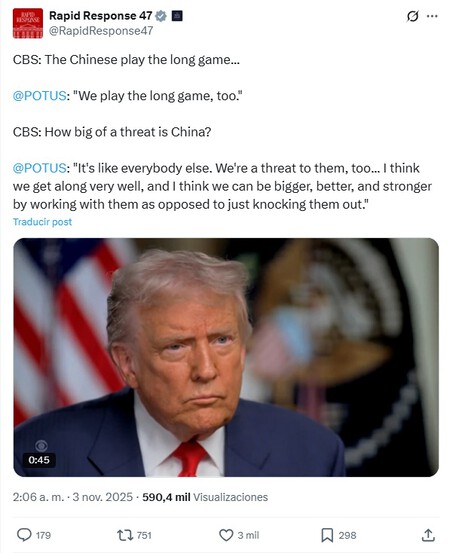
As the Central Committee of the Communist Party gears up to draft the next five-year plan, a focus on strategic foresight emerges. Discussions about what horizon China considers—short-term or long-term—are essential in understanding its policymaking. Isaac Stone Fish, founder of Strategy Risk, recently sparked a debate on this topic, referencing a White House video where former President Trump suggested that China is “playing the long game.”
Are They Playing the Long Game?
Fish argues against the notion that China’s leaders are solely focused on long-term strategies. Instead, he claims that the Chinese government is attuned to immediate challenges, much like any other nation. He asserts that long-term rhetoric may serve other purposes, such as reinforcing the party’s image.
Insights from Five-Year Plans
Five-year plans represent economic and social guidelines established by Chinese authorities. They outline development goals, industrial targets, and paths to achieve them. The first plan laid the groundwork for future ambitions, with significant milestones such as Deng Xiaoping’s economic reforms in 1978 followed by a new five-year strategy from 1981-1985.
A Macro-Level Instruction
According to analysts at Nomura, these plans allow leaders to evaluate current challenges, set directions, and foster strategic thinking. They provide crucial guidance for investors and public expectations, highlighting a stark contrast to Western political structures, which operate on electoral cycles.
The Need for a New Roadmap
Currently, as China develops the new five-year plan for 2030, it faces a complex array of challenges, including a real estate crisis and slowing domestic consumption. Recently, the Central Committee met to outline this plan, which will not be finalized until March 2026. Some preliminary goals include technological self-sufficiency and elevated life expectancy to 80 years.
Why Are Five-Year Plans Important?
These plans have been instrumental in shaping China’s domestic and international standing. Historical analyses show that specific plans have influenced global economic trends, such as the reformist period of 1981-1984 and the focus on “strategic emerging industries” from 2011-2015. Understanding these plans offers critical insights into China’s priorities and future trajectory.
Conclusion
Five-year plans serve as vital documents illuminating China’s strategic vision and willingness to tackle immediate and long-term challenges. As the world watches closely, the upcoming plan is expected to reveal how China will navigate its path toward further growth and resilience in a rapidly changing global landscape.