
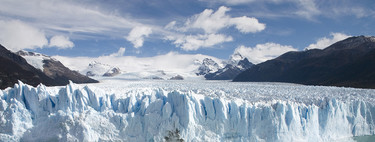
New Ice Age: A Surprising Outcome of Global Warming
Recent scientific discussions have pointed to a paradoxical outcome: while global temperatures are on the rise, we could be heading toward a new ice age. Researchers from the University of Bremen and the University of California Riverside have published findings in Science that suggest under certain conditions, excess heat may catalyze ecological processes that ultimately lead to a dramatic cooling of our planet.
The Earth’s Thermostat: More Complex Than We Thought
The Earth functions similarly to a thermostat, with various natural mechanisms in place to regulate temperature. Traditionally, scientists believed that the slow weathering of silicate rocks was the primary regulator of Earth’s temperature. However, geological records show periodic failures of this system, during which the Earth has experienced severe glacial periods, such as the Precambrian glaciations.
The Role of Marine Biology
Emerging research emphasizes the crucial role of marine biology and nutrient cycles—especially phosphorus and oxygen—when assessing global climate dynamics. When CO₂ emissions rise, phosphorus influx in oceans also increases, fostering algal blooms that absorb CO₂ during photosynthesis. However, when these algae die, they transport that carbon to ocean sediments, creating a long-term carbon sink.
A Vicious Cycle: Nutrients and Oxygen
The situation becomes problematic due to oxygen consumption by burgeoning algal populations. As the oxygen levels drop, organisms struggle to survive, which disrupts the typical burial process for phosphorus, leading to a cycle of nutrient recycling. This phenomenon creates a feedback loop: more nutrients lead to more algae, which results in decreased oxygen and further nutrient recycling, ultimately pushing temperatures lower—potentially into glacial territory.
Understanding the New Model
The new model integrates quick feedback mechanisms, sediment chemistry, and nutrient cycling into traditional silicate weathering models. Surprisingly, it reveals that the human-induced increase in CO₂ does not merely return the climate to a previous state; it may overcompensate and initiate deeper glaciations lasting tens to hundreds of thousands of years. This is especially likely in less oxygen-rich atmospheres, reminiscent of conditions during historical ice ages.
Future Implications: Are We Ready?
If current trends in fossil fuel usage continue, the potential for sudden cooling events could arise due to increased phosphorus levels from mining or accelerated weathering caused by climate change. While this cooling may take centuries or even millennia to manifest, it poses long-term risks for our planet’s climate stability.
In conclusion, while it may seem contradictory, the accelerated phosphorus cycle and soaring CO₂ concentrations are setting the stage for significant climate changes over millions of years. The Earth’s systems, although primarily aimed at stabilizing conditions, cannot always be relied upon to do so effectively.