
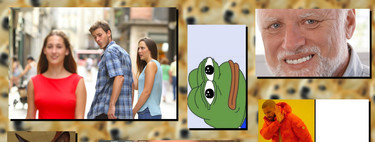
The Great Meme Reset: A Cultural Phenomenon on the Horizon
Have you ever felt overwhelmed by the rapid evolution of internet memes ? It’s like a constant whirlwind of creativity—one day you’re laughing at a particular meme trend, and the next, it’s been replaced by something entirely different. If you’ve been on the internet for a while, you might long for the days of simpler, sillier memes . This sentiment is echoed by many who are advocating for what is being called the Great Meme Reset of 2026 .
What is the Great Meme Reset?
Scheduled for January 2026, the Great Meme Reset aims to reboot internet humor and meme culture , taking us back to the beloved memes of the 2010s . This movement has mainly emerged from TikTok , where users are expressing their dissatisfaction with what many consider a decline in meme quality. Recent memes are viewed as lackluster, often described as forced or uncreative, largely thanks to the influence of AI-driven content generation.
What Does the Reset Aim to Achieve?
The primary goal of the Great Meme Reset is to move away from the current trend of “niche” memes that dominate platforms like TikTok. Critics argue that these memes have short lifespans, often lasting only a few days before becoming irrelevant. Advocates of the reset are pushing for a resurgence of “dank” memes —the classic and universally recognized content that defined earlier meme culture. Popular examples include Shrek memes , Big Chungus , and the notorious Ugandan Knuckles . Also featured are Rage Comics , which symbolize a specific era of internet humor.
How It All Began
The genesis of the Great Meme Reset can be traced back to March 2025, when the digital community expressed frustration over a perceived meme drought . A TikTok user named @joebro909 sparked the movement with a video discussing the decline in meme quality, and although he didn’t initially mention the reset concept, it planted the seed in the minds of meme creators.
As the months progressed, discussions on Reddit began to formally articulate the need for a reset. By September of that year, various videos emerged on TikTok proposing a deadline of December 31, 2025 , for current meme styles, aligning with the hope for classic memes to make a comeback in 2026. One notable video by @golden._vr went viral, garnering over 370,000 likes and stating that memes would “return from the grave.” This tongue-in-cheek notion illustrates a deeper generational conflict concerning humor and content creation.
The Generational Divide in Humor
At the crux of the meme reset is a significant generational divide in how people perceive and consume humor online. Millennials often approach humor through concise formats and standardized templates, whereas Gen Z and Generation Alpha are more inclined towards the chaotic and fragmented landscape of what is termed brainrot . This produces content that is often self-referential, lacking coherence, and even disconnected from earlier forms of humor.
The millennials view this new wave of content as a degradation of humor—noise that signifies the deep-rooted problems perpetuated by overexposure to the internet. Conversely, younger generations consider earlier memes outdated and too straightforward, finding beauty in the absurdity of brainrot . They embrace the concept that sometimes, the joke is that there is no joke —a stance that diverges sharply from previous ways of humor. As social media evolves, the perception of what laughter means continues to shift, potentially complicating any effort at a reset.
In essence, the Great Meme Reset of 2026 serves as a reflection of cultural nostalgia amidst a rapidly changing digital landscape. It highlights a longing for simpler times yet poses a challenge in bridging the gap between varying perspectives on humor. The viral push for a meme renaissance is not just a call for better content; it symbolizes the fight for cultural cohesion in an increasingly fragmented online world.