
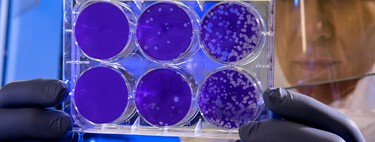
One of the greatest threats facing humanity today is undoubtedly antibiotic resistance , which leads to the emergence of bacteria resistant to all pharmacological weapons available. This alarming situation compels scientists to search for new antibiotics and innovative methods to combat bacterial infections. Recent advancements suggest that we may be on the verge of a significant breakthrough with a newly identified antibiotic that remained hidden in plain sight for decades.
The Problem. The existence of bacteria that can evade treatment poses an existential risk to individuals unfortunate enough to become their hosts. These microorganisms possess remarkable mechanisms that allow them to adapt and develop “tactics” to escape our antibiotics, especially in hospital settings where they are exposed to various treatments. The World Health Organization (WHO) has categorized antimicrobial resistance as “one of the top 10 threats to global public health.” This alarming reality signifies that we are rapidly running out of effective antibiotics, with bacteria evolving at a pace that exceeds the introduction of new drugs. Our reckless usage of antibiotics exacerbates the problem, further complicating treatment options.
In light of the gravity of this issue, the recent discovery made by a collaborative team from the University of Warwick and Monash University is remarkable. They have uncovered a “silver bullet” antibiotic that had remained hidden for 50 years.
The Discovery. Published in the *Journal of the American Chemical Society*, this antibiotic has demonstrated efficacy that is up to 100 times greater than existing treatments against high-priority resistant bacteria, such as the notorious Staphylococcus aureus (MRSA). The compound, identified as pre-methylenemycin C lactone (compound 5) , aims to be a significant contributor to the ongoing battle against resistance.
The discovery of this antibiotic has a fascinating backdrop—it was found in *Streptomyces coelicolor*, a soil bacterium recognized as a “model organism” for antibiotic production and extensively studied since the 1950s . In essence, we had a potential solution available to us, yet it went unnoticed until now.
This bacteria produces methylenemycin A, a low-potency antibiotic not used in clinical practice. Scientists opted to delve deeper, examining not only the end product but also the intermediate steps in its biological assembly line. Upon further investigation, they found that the bacterium also produced methylenemycin C, which has significantly more powerful antimicrobial properties.
This discovery serves as a crucial lesson for science: focusing exclusively on the end results of reactions often results in missed opportunities. By shifting the focus to the intermediate steps, we can uncover potentially transformative solutions in antibiotic development. The initial discovery of methylenemycin A happened 50 years ago, but only now has one of its intermediates stepped into the limelight as a game-changer.
How It Was Achieved. The team employed genetic engineering techniques, modifying the bacteria’s production chain by creating a mutation that eliminated the mmyE gene. This alteration interrupted the bacteria’s ability to complete the antibiotic synthesis, resulting in the accumulation of intermediate compounds, much like halting a production line and allowing unfinished products to pile up.
The Tests. When tested, compound 5 exhibited extraordinary activity, demonstrating potency that was “one to two orders of magnitude more active” (meaning 10- to 100-fold) than both methylenemycins A and C. Impressively, this new compound proved to be up to 256 times more powerful than some existing antibiotics, marking a critical advancement in antibiotic therapy.
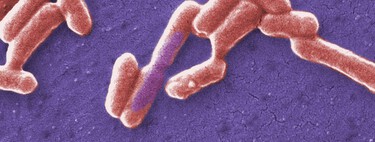
The Great Hope. While potency is essential, the real challenge remains combating the potential for resistance. Bacteria can develop a means to eliminate the drug’s effectiveness upon exposure. Fortunately, testing revealed that after subjecting *E. faecium* to increasing concentrations of the new antibiotic for 28 consecutive days—a standard method for promoting resistance—no such resistance was detected. This is promising news for the future utilization of this compound.
A New Way to Search. Traditionally, the intermediate products generated during the synthesis of various medicines have been overlooked. This groundbreaking study has established a new perspective, emphasizing the critical need to identify and test these intermediate elements. Such an approach could pave the way for a revolutionary shift in antibiotic development.
Looking ahead, preclinical tests in animal models are the next step to evaluate the safety of this antibiotic, with subsequent plans to transition to human trials aimed at assessing its efficacy and potential side effects.
Images | CDC, Myriam Zilles
In summary, the ongoing fight against antibiotic resistance faces a potential turning point. By innovatively exploring intermediate compounds and employing advanced genetic techniques, researchers have unearthed a promising new antibiotic that holds great hope for addressing one of the most significant healthcare challenges today. As we prepare to conduct further testing, there is cautious optimism that this discovery could represent a substantial leap forward in our battle against resistant bacterial infections.