
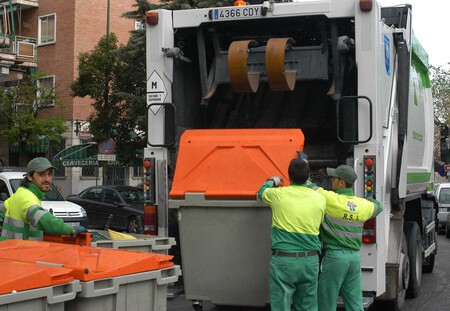
The Controversial Garbage Tax Debate in Madrid
The recent uproar over the new garbage collection rate in Madrid has sparked widespread discussion and dissent among citizens and local organizations. This situation is symptomatic of a larger issue affecting municipalities across Spain, as they grapple with regulations imposed by the European Union aimed at enhancing waste management. Most notably, the Madrid City Council, led by José Luis Martínez-Almeida, has faced criticism for its approach in calculating this “unfair” surcharge, a term coined by the Organización de Consumidores y Usuarios (OCU) .
As a result of ongoing public dissent, the city government is reconsidering its methodology for determining the garbage tax. The new calculation will incorporate a significant factor: the number of residents registered in each household. This change aims to address a crucial element of equity in the billing system.
What Sparked the Controversy?
The controversy originates from the necessity for Madrid to comply with the 2022 Law mandating that municipalities with over 5,000 inhabitants establish a fair and specific waste collection fee. This regulation aligns with the broader goals set by Brussels for effective waste disposal across the European Union.
Initially, the city’s garbage fees were sent out in September 2025, leading to an outcry from the community, who felt the burden of the new tax was disproportionately high. Neighbors voiced their worries that the previous method significantly favored homeowners with higher cadastral values , effectively penalizing those living in areas with substantial tourism or commercial activity.
Many citizens were baffled by the rates they were being charged, which seemed disconnected from their actual waste production. Concerns escalated when organizations like the OCU labeled the current structure of the calculation as “original and unfair.” Well aware of the diverse socio-economic makeup of Madrid’s neighborhoods, they argued that the it did not reflect the real cost of waste management .
Why the Rate Change Matters
To grasp the magnitude of the issue, one needs to revisit the original law, which aimed to differentiate fees based on waste production . This “polluter pays” principle is designed to ensure those who generate more refuse bear a proportionate share of management costs. While cities like Barcelona began preparations well in advance of law implementation, others lagged behind, culminating in public unrest when fees were introduced without adequate communication or understanding.
Madrid’s new approach, however, is a response to the criticisms, as the city commits to factoring in the number of registered inhabitants starting in 2026. This fundamental adjustment is anticipated to yield minimal cost increases, with fees expected to rise from €141 to €142.6 annually.
The Backlash and Proposed Solutions
Following weeks of criticism, the Madrid City Council opted to incorporate public feedback into their reassessment, seeking to address the disproportionate financial burden. They announced that the updated ordinance will factor in multiple criteria, including the number of registered residents, thereby promoting equity in taxation practices.
Under the new model, the fees will be categorized into ten sections, effectively reflecting the household dynamics on January 1, 2026, optimizing fairness across different living arrangements.
A Broader Discussion on Waste Management
Despite the rectification, skepticism lingers. The Regional Federation of Neighborhood Associations of Madrid (FRAVM) has cautioned against what they perceive as an unjust tax structure, prompting many to appeal against the newly revised rates. The underlying debate raises critical questions: Is the move toward varied garbage fees a genuine effort to enhance waste management or merely a facade for governmental compliance?
Critics assert that the current framework lacks transparency and fairness. They emphasize that assessing rates based on the cadastral value and communal waste generation without factoring in tourist influx or local economic conditions skews financial obligations unfairly.

Indeed, the discussions surrounding waste collection rates appear to extend far beyond Madrid, touching on pressing environmental dialogues and reflecting on community impacts from regulations. Community engagement is pivotal; thus, collective action is essential in shaping future decisions.
As Madrid transitions into this new era of waste management taxation, the dialogue surrounding transparency, equity, and regulatory compliance amplifies. The city’s shift towards considering the number of residents marks a significant step in fostering a more inclusive approach. Yet, the path forward is fraught with challenges requiring careful navigation of public sentiment and legislative intent.