
Exploring the Gangster Film Genre: Timeless Classics You Must See
The gangster film genre remains one of the pivotal styles in the history of cinema, highlighting themes of crime, moral ambiguity, and social commentary. From its early days in Hollywood to modern interpretations, these films capture the brutal reality of organized crime while offering gripping narratives filled with flawed characters. Directors such as Martin Scorsese and Francis Ford Coppola have played significant roles in defining this genre, elevating it into an art form. Below, we explore some of the best gangster films and where you can find them. Keep your head down and watch for stray bullets!
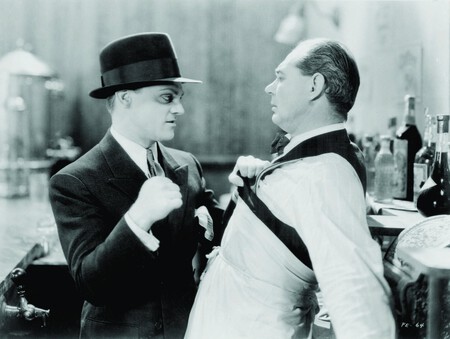
Public Enemy (1931)
The foundations of the gangster genre were laid in this gripping 1930s film, which vividly portrays the rise and fall of Tom Powers, played by the charismatic James Cagney. Set against the backdrop of Prohibition-era Chicago , the film delivers a potent mix of ambition and violence, showcasing how these traits ultimately lead to self-destruction. With a semi-documentary approach, it offers a profound psychological examination of its characters that still resonates today.
Branded to Kill (1967)
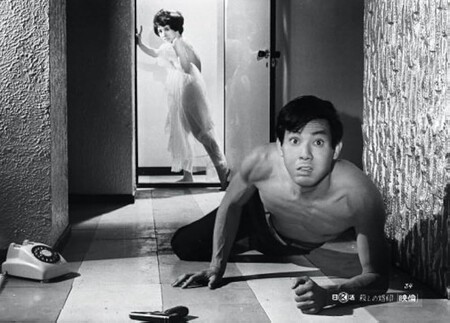
Renowned for its influence on directors like Quentin Tarantino, this Japanese film dives into the world of hitmen rather than traditional mafia narratives. Through surreal elements and a unique visual style, it tells the story of a hitman obsessed with being the best, creating a new understanding of the yakuza genre . The enigmatic atmosphere and compelling characters make it a standout in the category.
The Godfather Trilogy (1972)
Francis Ford Coppola’s landmark trilogy delves deep into themes of power, loyalty, and the American Dream as it relates to the New York Mafia. The first two films redefine the gangster genre through the lens of social commentary , family dynamics, and Shakespearean tragedy. Despite criticism regarding its depiction of organized crime, the trilogy remains culturally significant and profoundly influential, offering viewers a captivating look at the moral costs of power.
The Long Good Friday (1980)
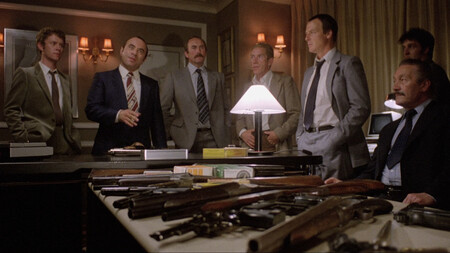
This British thriller features Bob Hoskins in a standout performance as a London gangster confronting a series of attacks against his organization when he is trying to finalize a major real estate deal with the American mafia. Rich in atmosphere and tension, it beautifully captures the power struggles within a corrupt London, making it a perfect representation of Thatcher-era Britain.
Scarface (1983)
Brian De Palma’s remake of the 1932 classic offers an unflinching look at the corruption of the American Dream through the life of Tony Montana, played by Al Pacino. Set in 1980s Miami, the film combines brutal violence with intense satire about excess, eventually becoming a cult classic that resonates with viewers long after its release.
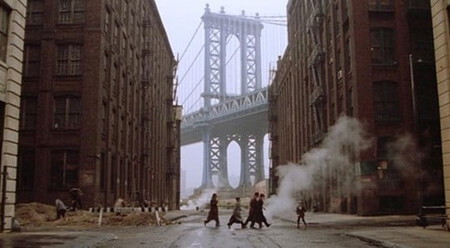
Once Upon a Time in America (1984)
Sergio Leone’s ambitious epic spans the life of a Jewish gangster in New York, exploring themes of memory, guilt, and the passage of time. By weaving through three distinct periods, the film offers a powerful narrative filled with haunting imagery and moral ambiguity, solidifying its place in the cinematic pantheon.
A Better Tomorrow (1986)
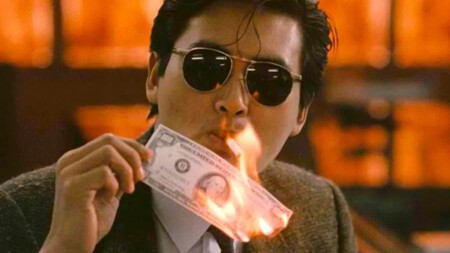
Chow Yun-fat shines in this Hong Kong action film , which became a critical and commercial success. The film’s unique stylization and powerful melodrama helped define the “heroic bloodshed” genre. The story revolves around two brothers caught on opposite sides of the law, exploring themes of loyalty and betrayal in deeply emotional terms.
Murder in the Flowers (1990)
The Coen Brothers reinvigorated the gangster genre with a darkly ironic twist, offering an engaging look at conflict between rival gangs in the 1930s. With its complex characters and a nuanced exploration of loyalty and betrayal, this film stands out as a polished gem in the gangster genre.
King of New York (1990)
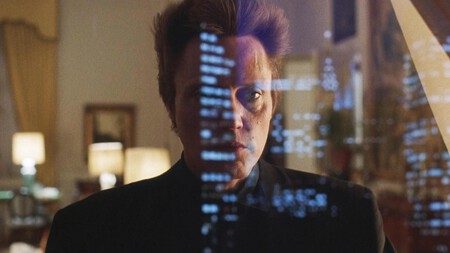
Abel Ferrara dives into the underworld of drug trade with this gripping film featuring Christopher Walken as a criminal attempting to rebuild his empire. The film acts as a window into the chaotic and morally ambiguous world of modern gangsters, offering a unique take on the genre.
Goodfellas (1990)
Martin Scorsese’s masterpiece presents a stark and realistic portrayal of the mafia lifestyle, contrasting sharply with earlier romanticized depictions. Featuring captivating performances and a dynamic narrative, it leads viewers through the tumultuous life of a gangster, unraveling the dark allure of organized crime.
Sonatine (1993)
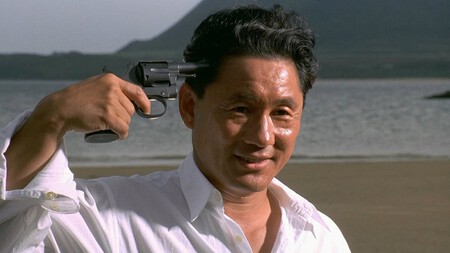
Takeshi Kitano’s slow-paced film challenges traditional action narratives by intertwining serene moments with cold violence, highlighting an existential struggle within the world of yakuza. Through its unique storytelling and visual style, it leaves a lasting imprint on the genre.
Casino (1995)
Another Scorsese gem, this film unfolds the intricate relationship between gambling , power, and corruption in Las Vegas. Overlooked initially, it has grown in reputation, showcasing a mix of narrative styles and a captivating, star-studded cast.
Donnie Brasco (1997)
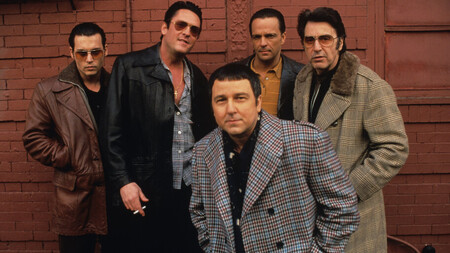
This film offers a gritty look at the life of an undercover FBI agent infiltrating a New York crime family. It puts a human face on the world of organized crime, delving into themes of friendship, loyalty, and moral decay.
The Mission (1999)
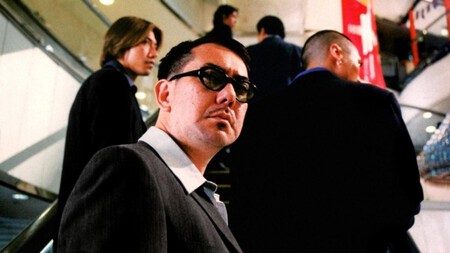
Highlighting the world of triads, Johnnie To presents a minimalist narrative, exploring camaraderie and ethics among criminals. The gripping story resonates through its exploration of loyalty and betrayal amidst a violent world.
Dead or Alive (1999)
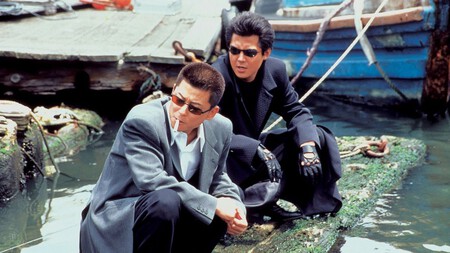
Takashi Miike’s film redefines yakuza cinema through a nihilistic lens, offering a blend of chaos and surrealism. The action-packed narratives push narrative boundaries, exploring themes of fate and morality in refined visual storytelling.
Infernal Affairs (2002)
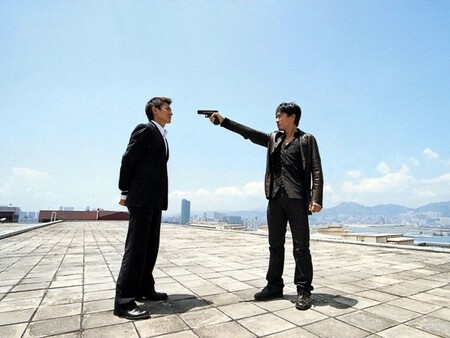
This Hong Kong thriller captures the struggles of an undercover cop and a mole within the police. It’s a tightly woven narrative that emphasizes realism and emotional depth, making it an iconic entry into modern crime cinema .
A Bittersweet Life (2005)

This thriller from South Korea offers a visually stunning exploration of violence and loyalty through the eyes of a hitman who defies orders out of compassion. The film blends action with deep psychological introspection, making it a standout piece in the genre.
Eastern Promises (2007)
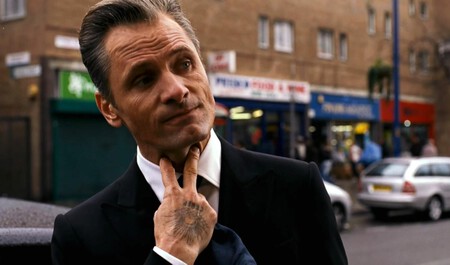
David Cronenberg’s exploration of the Russian Mafia in London dives into underlying corruption and power dynamics. The intense narrative and focus on moral complexity provide a chilling yet captivating experience for viewers.
Gomorrah (2008)
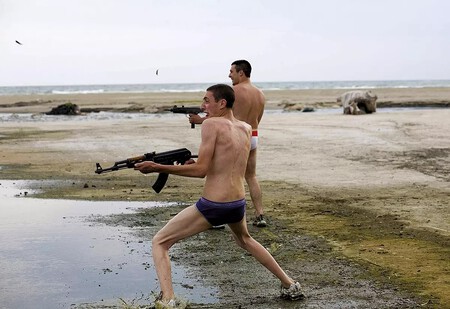
This brutal and realistic portrayal of the Camorra highlights the pervasive influence of organized crime in everyday life. Through interwoven stories, the film emphasizes the systemic corruption and the pressing reality of violence in contemporary society.
Suburra (2015)
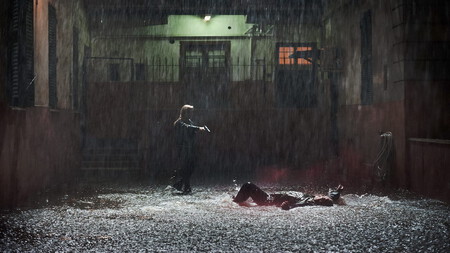
This Italian thriller reflects the contemporary complexities of crime and politics in Rome. By intertwining numerous characters, it offers a powerful critique of societal decay and the structural corruption that persists at every level of government.
In conclusion, the gangster film genre is rich with complexity and diverse narratives. From classic portrayals to modern representations, these films reflect the shifting dynamics of crime and society , offering insights into the human condition. Whether you are a die-hard fan or a newcomer to this genre, these films provide compelling narratives that remain relevant and captivating.