
The Race for AI Supremacy: An Inside Look at Silicon Valley’s Work Culture
The landscape of artificial intelligence (AI) is rapidly evolving, with Silicon Valley at the forefront of this transformation. There is much discourse around the potential of AI to either revolutionize industries or render specific jobs obsolete. However, one unsettling reality emerges: engineers working in the AI sector are facing unprecedented pressure, resulting in extensive work hours.
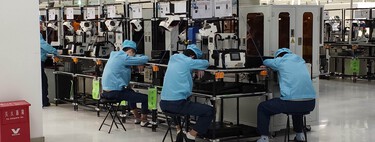
One cannot dismiss the ongoing 996 work culture—a term that originates from China, representing a work schedule of 9 AM to 9 PM, six days a week. This grueling paradigm is now being echoed in Silicon Valley, where many engineers report working 80 to 100 hours a week. This intense commitment extends beyond mere work; professionals like those at OpenAI, Meta, Microsoft, Anthropic, and Google are effectively vying for dominance in a frenetic AI race that feels akin to warfare. In a revealing article in the Wall Street Journal, AI engineers candidly shared that their workloads often mirror military deployments.
The 996 phenomenon: A cautionary tale?
The Race for Innovation
The lightning-fast pace of innovation in AI is staggering, with new models and tools emerging almost weekly. The pressure to deliver results is relentless; many in the industry liken it to shoving 20 years of scientific progress into just two years. The push for rapid advancement is not confined to major players; even startups are demanding similar commitments from their employees. During job interviews, it’s not unusual for candidates to hear statements like, “We do not offer work-life balance.”
Moreover, an added urgency is the quest for Artificial General Intelligence (AGI)—a type of AI that possesses the ability to understand or learn any intellectual task that a human can. Visionaries like Sam Altman and Elon Musk frequently discuss the race toward AGI, identifying it as a crucial milestone for their respective companies’ survival and a suitable justification for the immense financial investments pouring into AI technology.
The Financial Landscape
As the AI race heats up, so do the financial stakes. Around the same time last summer, Mark Zuckerberg embarked on a strategy to attract top AI talent to Meta, offering salaries that are reportedly worth millions. This has intensified the competition among firms in the industry, elevating engineers to extraordinarily high-value assets. Yet, the irony remains: many of these engineers, despite their lucrative compensation, find themselves virtually living at their workplaces.
From Paradise to Pressure Cooker
Gone are the idyllic days when working for a tech giant meant enjoying a plethora of luxurious perks. Once considered havens of employee satisfaction, companies like Google are redefining the workplace experience. Pre-pandemic environments equipped with gyms, cafes, and relaxation lounges have seen a major overhaul. The post-pandemic return to the office has stripped away many of these benefits, replacing comfort with heightened expectations.
What Lies Ahead?
As professionals across the board ponder the sustainability of this AI race, pressing questions emerge: How long will the momentum of investments in the AI sector continue, particularly when profitability remains elusive? And how many engineers will be willing to sacrifice their personal lives for the advancement of AI technology?
The frenetic pace seen today is reminiscent of previous boom periods in Silicon Valley, such as the surge in app development following the launch of the first iPhone. However, what distinguishes the current landscape is the accelerated timeline of advancements and the relentless demand for progress.
In this climate of high expectations and unwavering ambition, the question remains: Will the current workforce continue to endure the pressures that come with this fierce competition, or will there be a turning point? The story of AI is still being written, and its impact on society, careers, and the future of work is yet to be fully revealed.
Despite the enticing prospects of a future enhanced by AI, the harrowing reality of work conditions raises urgent questions about sustainability, balance, and the human cost of technological advancement.