
China plays in another league, and the new Vivo X300 Pro has demonstrated that the might of the Chinese mobile industry is far ahead of the competition when it sets its mind to it. With the previous generation, we already saw that Vivo is establishing itself as a total reference in mobile photography. With their new flagship just presented, they have hit the table again. Let Apple, Samsung, and Google take note, because the distance is becoming more and more evident.
We have gone to Shanghai to see the Vivo mobiles. These are our first impressions of the Vivo X300 Pro —a brutal mobile phone that has every chance of becoming the best photography smartphone of the year. Although it is currently only official in China, it is already confirmed that it will soon arrive in Spain. Very attentive to everything it offers; this super high-range smartphone comes from China and is ready to surpass all leading models at a stroke.
Vivo X300 Pro Technical Sheet
Vivo X300 Pro | |
|---|---|
Dimensions and Weight | 161.98 x 75.48 x 7.99mm |
Screen | 6.78″ LTPO 2,800 x 1,260 px 120Hz 2,160Hz PWM Dimming HDR 10+, Dolby Vision |
Processor | MediaTek Dimensity 9500 |
Memory | 16 GB |
Storage | 512GB |
Battery | 6,510mAh 90W fast charging 40W wireless charging |
Rear Cameras | Main: 50MP ZEISS Sony LYT-828, f/1.57, 24mm Wide angle: 50MP, LYT-602, f/2.0, 15mm Telephoto: 200MP, ZEISS APO, Samsung HPB, f/2.67, 3.7x optical zoom, 85mm |
Front Camera | 50 MP, ZEISS; JN1, f/2.0 |
Operating System | OriginOS 6 Android 16 |
Connectivity | Wi-Fi 7 5G Bluetooth 6.0 NFC |
Others | IP68 resistance USB C 3.2 Stereo speakers VS1+ V3+ image chip Ultrasonic fingerprint reader |
Price | — |
Once Upon a Time There Was a Camera Attached to a Mobile
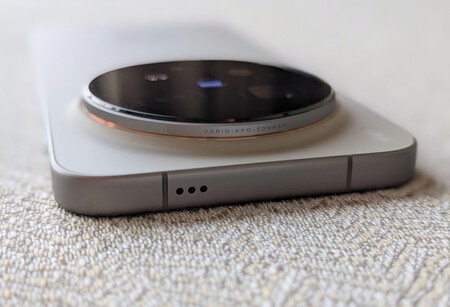
The headline we chose for the Vivo X300 Pro review beautifully encapsulates the essence of what this series represents. Photography is at the heart of the Vivo X300 Pro.
This isn’t an ultra-thin mobile. Nor does it boast a striking design like its direct rival, the Xiaomi 17 Pro. The circular rear camera module is its unique identity mark. There is no rear screen or pronounced curves but a 6.78″ flat screen , a metal body that conveys solidity, and a more traditional aesthetic. While Xiaomi opted for innovation this year, Vivo has centered everything around the camera, sticking to what works.
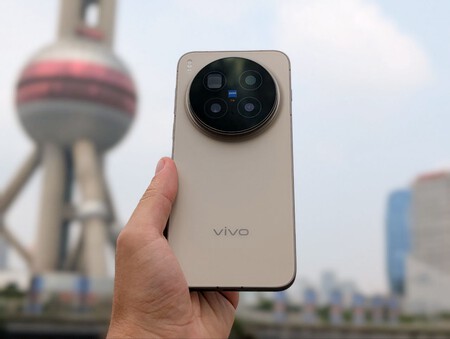
This flagship comes packed with top-notch specifications. The Vivo X300 Pro releases the new MediaTek Dimensity 9500 processor, directly rivaling the Snapdragon 8 Elite Gen 5. It boasts 16 GB of RAM and UFS 4.1 storage for optimal management speeds. Completion comes in the form of a robust 6,510 mAh battery , although this figure could change for the European version, consistent with past trends.
This flagship smartphone sports the new OriginOS 6 , a fresh aesthetic based on Android 16, which simplifies functionalities and boosts fluidity. It adds compatibility for PC and Mac for convenient file transfers and screen mirroring and promises five years of system updates.
ZEISS Puts the Icing on the Cake with a 200MP Telephoto and a Single Main Sensor

The triple-camera setup on the Vivo X300 Pro prominently features two standout sensors: the telephoto and main sensor. The wide-angle camera sports a 50-megapixel sensor, but the real leap is found in the main and telephoto sensors, firmly placing Vivo at the forefront of smartphone photography.
The 200MP telephoto lens features a ZEISS APO sensor and an impressive 3.7x optical zoom . Utilizing Samsung’s ISOCELL HPB “Thanos” sensor with 0.56 μm pixels , the Vivo X300 Pro promises unprecedented capabilities. This performance truly rivals the X200 Ultra model , previously rated highly for its photographic prowess. We were able to test its performance during the presentation, and results at both x5 and x10 zoom were impressive.
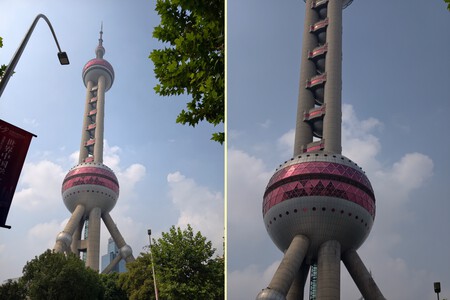
24mm image (left) vs 2x 48mm zoom image (right)
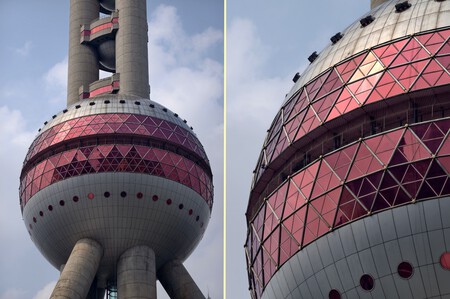
3.5x 85mm zoom image (left) vs 10x 242mm zoom image (right)
Aggressive AI processing ensures astonishing image definitions. Comparing it to Google Pixel photography, the Vivo X300 Pro seems to stand toe-to-toe with, if not surpassing, rivals in this domain.
The LYT-828 main sensor boasts 50 megapixels , is 24 mm , and features an f/1.6 aperture . Co-developed with Sony and ZEISS, its stabilization measures up to CIPA 5.5 , comparable to performance typically seen in gimbals.
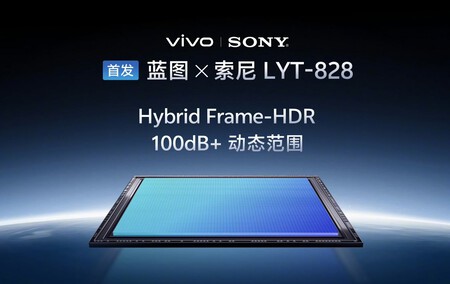
Moreover, this sensor claims to be the first to achieve a dynamic range of over 100 dB and nearly 17 stops , translating into exceptional HDR capabilities.
This commitment to color also extends to video, with the Vivo X300 Pro supporting 4K recording at 120fps with 10-bit and Dolby Vision . Multi-focal portrait mode ranges from 24mm to 135mm . The front camera mirrors this with a 50-megapixel sensor.
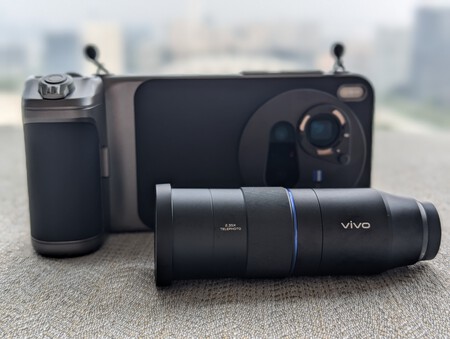
To top it off, the Vivo X300 Pro also offers an external attachable telephoto lens kit , enhancing its zoom capacity even further, reminiscent of the previously reviewed Vivo X200 Ultra. This product promises an exciting experience for photography enthusiasts.
The Photographic Mobile of the Year Will Come from China
The Vivo X300 Pro is a significant player in the smartphone market, challenging competitors like the Xiaomi 17 Pro, featuring its dedicated Light Fusion 950L sensor . The imminent arrival of OPPO’s Find X9 Pro and Realme’s GT8 Pro adds further competitiveness to this landscape. Ultimately, leading Chinese manufacturers are pushing the boundaries of mobile photography, signaling that they won’t be outdone easily. The Vivo X300 Pro is not merely an impressive device; it’s a catalyst for a new photographic generation , raising the bar for mobile photography across the industry. As we look ahead, anticipation builds around the potential of the Vivo X300 Ultra and its rumored advancements, setting the stage for an exciting future in smartphone innovation.