
North Korea is a unique country , often described as one of the most hermetic places on Earth. Its isolation and rigidity make it tremendously challenging to understand the daily lives of its citizens. While the official narrative touts prosperity and normalcy , myriad testimonies from defectors tell a starkly different story, revealing the brutal realities that many face. Recently, disturbing reports of wildlife hunting have emerged, exposing a systematic approach to animal extinction in a bid for survival.
Despite its mounting struggles, wildlife trade persists. Researchers like Joshua Elves-Powell have begun to shed light on these clandestine practices. His recent study, centered on 42 North Korean defectors , reveals an unsettling account of how North Koreans have engaged in hunting for food and trade. During interviews conducted in South Korea and the UK between 2021 and 2022, participants disclosed the extent of this trade, which often included hunting endangered species.
<img alt="Do you want to consume meat ethically? According to PETA, it starts by eating roadkill" width="375" height="142" src="https://i.blogs.es/61e1f4/reno-cruzando-carretera/375_142.jpg"/>The 1990s marked a pivotal era for North Korea, as the economic collapse led to widespread famine. As people sought ways to survive, the relationship between citizens and their country’s wildlife dramatically shifted. Testimonies reveal that professionals, soldiers, and everyday citizens alike began hunting creatures ranging from deer to tigers. Many hunting expeditions were not just for sustenance but aimed at selling parts of the animals on local black markets.
One defector described their involvement in the trade of tiger bones from the Pyongyang Zoo back in 2020, recounting how they had obtained such products through connections with professional hunters. This illegal trade is expansive, extending beyond North Korea to countries like China and Russia , directly violating international conservation treaties.
Elves-Powell’s research identifies that virtually all native mammals exceeding 500 grams are potential targets for hunters. Not limited to just large predators like the Siberian tiger , various other species are caught for both meat and traditional medicinal practices. The most commonly sought prey includes:
- Deer: utilized for both meat and antlers.
- Wild boars: primarily hunted for their meat.
- Asian black bears: hunted for meat, bile, paws, and skin.
- Asian badgers: targeted for oil used in traditional medicine.
- Porcupines: hunted for their quills.
- Otters: captured for their fur.
- Red foxes: hunted for skin.
- Gray wolves: captured for their fur.
- Raccoons: sought after for their meat and in illegal trade.
Despite this extensive hunting, it is routinely carried out not with firearms but through a network of traps. This indiscriminate practice leads to the unintended capture of non-target species such as the Bengal cat . Such mass hunting has been described as contributing to a phenomenon known as ” defaunation ” – where ecosystems suffer from a significant loss of animal diversity.
This defaunation adversely affects not only North Korea but also adjacent regions, including parts of China and Russia . The natural biodiversity is rapidly dwindling, creating an ecological crisis that threatens both wildlife and people.
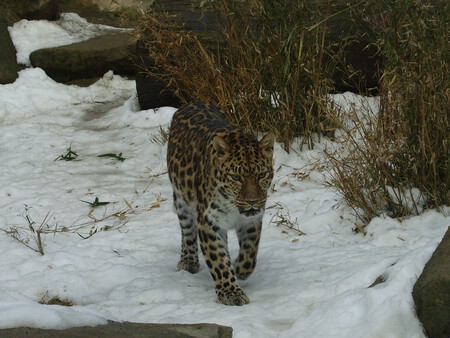
<span>The Amur Leopard</span>The North Korean government appears complicit in this situation. According to defectors, state-authorized hunters are encouraged to bring back animal parts as a form of “tribute.” Hunting bears for bile and maintaining facilities under the guise of legality help funnel products into both legal and underground markets.
Animal conservation organizations have labeled North Korea as a ” black hole ” for biodiversity recovery. The absence of protective measures coupled with the flourishing black market presents significant challenges, not only for animals but for public health as well. Advocacy groups are calling for international pressure to confront these issues, emphasizing the importance of utilizing the testimonies of defectors to demonstrate the urgent need for intervention. They place specific emphasis on China, urging increased surveillance of illegal wildlife imports.
Moreover, the CITES treaty that governs international wildlife trade should be considered essential, although North Korea’s willingness to participate remains doubtful.
Through further studies and raising awareness, there exists hope to spur action. Yet, ensuring that wildlife persists in North Korea is a complex challenge that requires global cooperation and unwavering commitment to conservation.