
Japan’s Groundbreaking Ordinance: Limiting Smartphone Use to Two Hours a Day
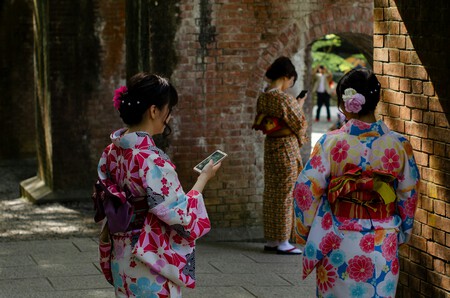
In a significant move that has sparked widespread debate, Masafumi Kouiki, the mayor of Toyoake, Japan, has initiated a bold ordinance aimed at curbing excessive smartphone usage among residents. “When you get on a train in Japan, most passengers are looking at their phones. They don’t do anything else,” Kouiki remarked, shedding light on the pervasive issue of smartphone addiction in contemporary society. The ordinance , which took effect on October 1, restricts the recreational use of smartphones and other digital devices to a maximum of two hours a day .
This innovative measure was conceived to address concerns regarding the impact of excessive screen time on various aspects of life, particularly sleep hygiene. The Toyoake city council, with almost 70,000 residents in Aichi Prefecture, approved this ordinance amidst a backdrop of a growing digital dependency among the populace. The rule, which is a guideline rather than a law , aims to promote awareness rather than enforce compliance with penalties.
The Details of the Ordinance
The ordinance specifies a limit on the recreational use of smartphones, tablets, consoles, and computers for residents. While emphasizing the guideline aspect, it is essential to note that the two-hour limit does not include time spent on education or work-related activities . However, the ordinance has stirred a rich conversation about digital consumption and its implications on health practices, especially sleep.
Under the ordinance, young children are advised to stop using their devices by 9:00 p.m. , and teenagers are encouraged to limit their usage post 10:00 p.m. The primary goal here is clear: to ensure adequate rest for the younger generation. To reinforce this message, local authorities have proactively communicated with families, urging them to engage in discussions regarding screen time and overall health.
Why a Limit on Screen Time?
The impetus behind the ordinance is to initiate a cultural shift around screen time habits . Kouiki stated, “It’s very sad to end the day looking at your phone all the time at home.” By placing limits, the mayor hopes to foster reflection and debate about digital consumption and its timing. In 2024, reports revealed that younger Japanese residents spent an alarming average of five hours a day on their smartphones, with over 80% of individuals aged 15 to 24 self-identifying as dependent on their devices.
Interestingly, Toyoake is not without its critics. Some regard the ordinance as an unwarranted intrusion into personal lives. Local politician Mariko Fujie condemned the measure, stating, “It’s none of your business,” and questioned its scientific basis. Nonetheless, many residents are open to exploring healthier screen habits.

Is Toyoake a Unique Case?
Toyoake may well be pioneering such a legislative approach . The Town Hall emphasizes that this is the first rule of its kind in Japan. Media outlets, including The Japan Times, have heralded this initiative as ground-breaking. However, there have been earlier attempts by other municipalities to address the same issue. For instance, Kagawa enforced a rule that aimed to limit minors’ video game usage to just one hour during weekdays.
Many are watching closely to see whether Toyoake’s ordinance catalyzes broader changes across Japan. As digital addiction evolves into a pressing concern worldwide, cities may increasingly consider strategies to mitigate the adverse effects of technology on health and social interaction.
In conclusion, the novel approach taken by Toyoake to limit screen time for its residents marks a significant shift in recognizing the societal impact of smartphones. As the conversation evolves, it raises critical questions about the balance between technology use and well-being , fostering dialogue that may shape future policies not just in Japan, but globally.