
With the unveiling of the iPhone Air coinciding with the Galaxy S25 Edge , anticipation has surged among tech enthusiasts. Consumers now have two innovative options in their hands, each presenting a unique take on ultra-thin mobile technology . The competition is fierce as users prioritize form factors alongside performance. But which device strikes the perfect balance for those who seek an incredibly slim smartphone?
In the latest episode of 24/7, a trusted tech comparison show, Samuel Oliver examines these two titans in a head-to-head matchup. He evaluates critical aspects including screen quality , battery life , and camera performance . Previous episodes have featured fierce battles, such as the iPhone 17 against various smartwatch brands, but this clash dives into new territory.
Two Visions for a Common Goal: Dominating Thinness
The competition kicks off with one crucial element: design . Samuel remarks, “ The first thing that catches the eye is the design .” Each brand offers an aesthetic that embodies minimalism yet reflects its identity. As he showcases the devices, viewers can see how Apple and Samsung interpret thinness differently, evoking distinct feelings when held. This visual comparison serves to highlight the craftsmanship from both tech giants, demonstrating their commitment to excellence.
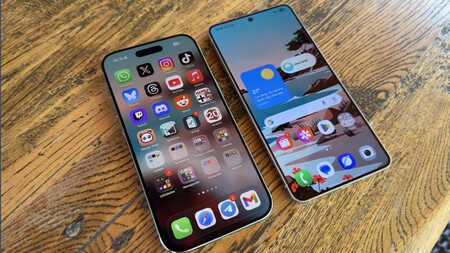
</div>The screens introduce the first real technical rivalry of this matchup. According to Samuel, “The iPhone generally opts for more neutral and consistent colors , whereas Samsung provides a vibrant look that can be adjusted to personal taste.” This highlights a significant difference in usability for media consumption, opening a dialogue about which company’s technology suits specific preferences.
When it comes to performance , the excitement rises as both smartphones handle demanding tasks without overheating —a perennial concern for mobile users. “What’s most impressive is that neither device experiences excessive heat during intensive sessions,” Samuel points out as he demonstrates their capabilities through various stress tests, making it evident that users can engage in high-performance activities without worry.
“Best of all, none of them overheat when under pressure.”
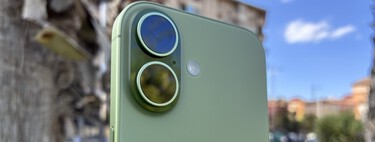
The photography segment reveals some unexpected developments, especially with the iPhone Air’s single-sensor camera setup. Samuel notes, “When the iPhone Air was first announced, I was shocked to see a single sensor in 2025. But Apple’s choice may not be as misguided as initially thought.” A comparative analysis of photos taken in varied lighting helps illustrate how each phone’s camera capabilities stack up against one another, a decisive factor for many smartphone shoppers.
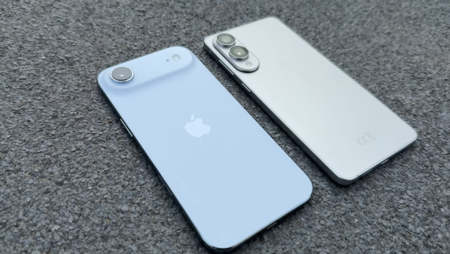
</div>As the discussion shifts to battery life , it’s clear that both handsets made sacrifices for the sake of thinness . Samuel expresses surprise that the iPhone has faster charging capabilities than the Galaxy. This discrepancy raises questions about efficiency and real-world usability, leading viewers to consider what they value most in a device.
The price point wraps up this compelling comparison, with both devices retailing around 1,200 euros . This premium investment raises questions about the compromises made in camera quality and battery longevity. Samuel reflects on how the devices fare in everyday situations, offering insights into whether the price justifies their features.
The intense battle between the iPhone Air and the Galaxy S25 Edge encompasses unforeseen decisions and numerous surprises. The ultimate verdict lies within the video, where nuances, thorough testing, and a final score are meticulously detailed. For those eager to dive deeper into this ultra-thin duel , the full analysis is available on the Xataka YouTube channel .
Images | Xataka
In Xataka | With manufacturers ceasing to include chargers with all purchases, we now face a notable shift: the rising importance of USB cables.