
The Superleague’s Ambitious Comeback: A New Era for European Football?
The Superleague is making headlines once again. Following the backlash from its controversial proposal in spring 2021, the project has reportedly shifted gears, working behind the scenes to refine its concept and better align with the expectations of football fans, clubs, and governing bodies. Recent discussions led by UEFA, A22, and the giants of Spanish football, FC Barcelona and Real Madrid, have emerged from secrecy, revealing a revised plan that seeks to breathe new life into European competitions.
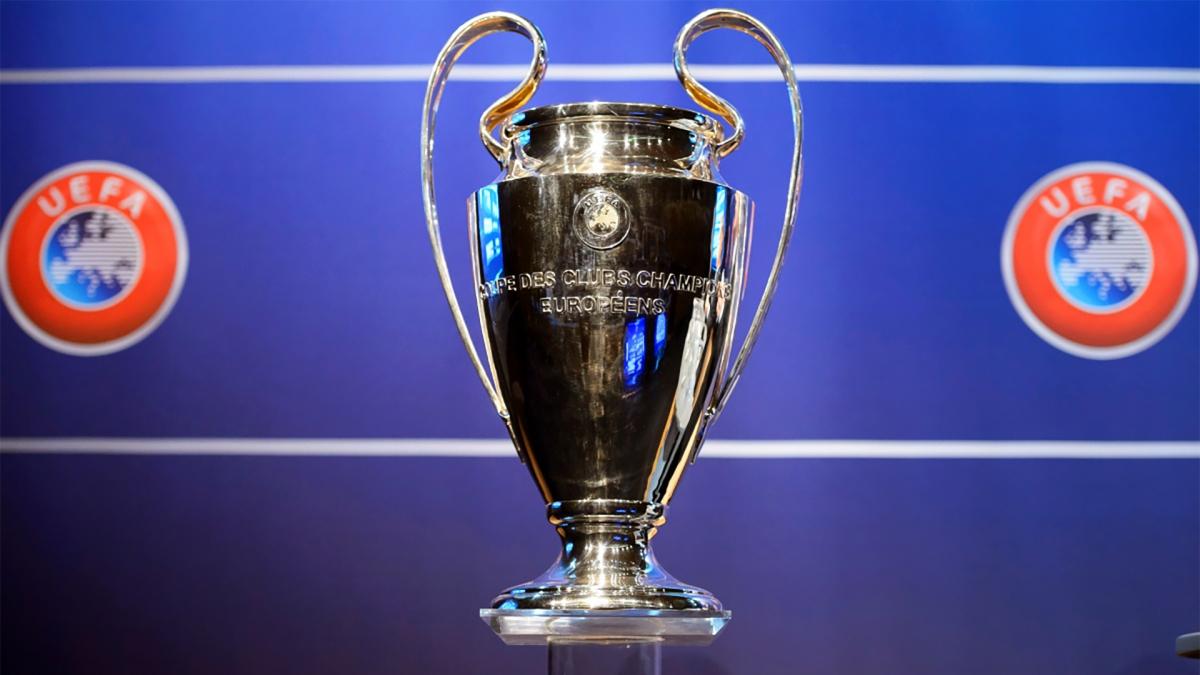
The new format, as relayed by Mundo Deportivo, introduces what can be dubbed a Superleague 3.0, positioning itself as an evolution of the existing Champions League. This proposal diverges significantly from the version tweaked just two years ago, signaling a notable shift in strategic intent among Europe’s elite clubs. Instead of a straightforward knockout tournament, the plan suggests a division of the current 36 teams into two distinct groups, ultimately leading to a high-stakes elimination phase.
Revolutionizing Competition Structure
For Group 1, the top 18 teams will be chosen based on their UEFA coefficient rankings. These teams will have a significant advantage, as the first eight will qualify directly for the Round of 16. Meanwhile, clubs finishing between 9th and 18th will need to face off against each other in preliminary rounds to earn their place in the knockout stages. This structure not only guarantees thrilling match-ups between top-tier teams but also provides opportunities for lower-ranked clubs to showcase their talents on a grand stage.
Conversely, Group 2 comprises the remaining 18 qualified clubs. No team from this group will automatically progress to the Round of 16. Instead, they will face lower-ranked teams in Group 1 in elimination rounds, reminiscent of the current qualifying structure. This feature is designed to make the competition more engaging, ensuring that even lesser-known clubs have a fighting chance to advance further in the tournament.
Innovative Broadcasting Solutions
Another significant component of the new proposal is its approach to broadcasting the competition. The Champions League is set to retain its name, but broadcast rights will now be handled by Unify, the proposed platform affiliated with the Superleague. This platform aims to enhance the viewing experience by providing affordable access to games, eliminating excessive costs for fans.
Unify plans to offer a free version featuring localized advertisements, which is a groundbreaking shift in how sports programming is monetized. Additionally, a premium version will be made available for subscribers seeking an ad-free experience. This dual approach caters to diverse viewer needs, ensuring that football fans have multiple options to engage with the competition.
Fan Engagement and Industry Response
The proposal also emphasizes the importance of fan engagement. By ensuring that the structure favors not only renowned clubs but also lesser-known teams, UEFA hopes to maintain the competitive integrity of the tournament. However, the response from the general public and football purists remains tentative.
Critics argue that concentrating power among elite teams could undermine the essence of football, which thrives on underdog stories. Historically, the Champions League has celebrated unexpected victories—prominent examples include Nottingham Forest and FC Porto defying the odds to claim prestigious titles. The Superleague’s new format, while exciting, could potentially diminish the element of surprise that makes football so unpredictable.
UEFA holds significant sway in this situation, with the final say on how European competitions will evolve in the coming years. Their response to the Superleague’s proposal will be closely watched by clubs, fans, and media alike. Whether they embrace this new direction or uphold the traditional format remains to be seen.
In conclusion, the Superleague’s resurgence marks a pivotal moment in European football, presenting a dual-edged sword of opportunity and risk. As football clubs navigate the delicate balance between innovation and tradition, the landscape of European competitions is undoubtedly set for a transformation. While the new model promises thrilling encounters and enhanced fan interaction, it is crucial for all stakeholders to reflect on the core values of the sport that have captivated audiences for generations. Only time will tell if this ambitious plan will capture the imaginations of fans or provoke further dissent among traditionalists.