Dramatic Price Hike: Madrid-Barcelona Train Tickets Surge by 40%
The cost of traveling on the Madrid-Barcelona train corridor has witnessed a staggering 40% increase, according to Trainline, a prominent company dedicated to finding the best train fares and schedules. With the recent withdrawal of the Avlo trains operated by Renfe, the average ticket price has surged to more than €70.
The Departure of Avlo Trains
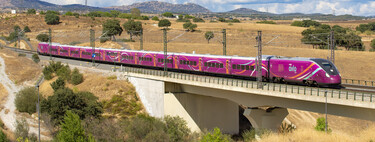
News of the Avlo train service cancellation broke at the end of August, and the wake of this decision has been palpable since September 8. Renfe, the state-owned railway operator, has officially ceased operations of its low-cost Avlo service on the crucial Madrid-Barcelona route. This marks a significant shift as the company has consolidated its offerings solely under the bird service.
The Avlo trains were removed from service following multiple safety concerns with the Talgo S106 models. During the summer, one of these trains experienced a significant safety issue, leading Renfe to withdraw the service entirely after attempts to downplay the severity of the issue.
Price Inflation Hits Passengers Hard
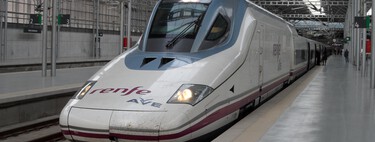
Trainline reports that the average ticket price for journeys between Madrid and Barcelona has crossed the €80 mark, attributing this spike to the exit of the Avlo service and the subsequent uptick in demand. With competition lessening due to the absence of a low-cost option, tickets that used to cost significantly less are now being dictated by the supply-and-demand economics of the remaining high-speed services, primarily AVE.
This change is reflected in ticket prices, with the cheapest fare now beginning at roughly €50 and soaring up to €150 during peak times, particularly on Sunday afternoons.
Historical Context of Rising Prices
The price surge on the Madrid-Barcelona route isn’t new but rather a trend that has been developing over time. Initially, when Ouigo and Iro entered the market, there was a brief dip in prices, but as demand grew, it became feasible for operators to raise their fares gradually. A report from the CNMC highlighted that nearly 3.9 million passengers utilized this route during the second quarter of the year, showcasing high occupancy levels.
Research indicates that even before the removal of Avlo, average ticket prices had already risen by 15.3% compared to previous years, climbing to an average of €63.14.
The price hikes weren’t exclusive to Renfe; competing low-cost operators also raised their prices. Ouigo’s fares went up by 18.7%, and Iro increased theirs by 22.5%, while Avlo saw the smallest increase at 14.5%.
A Landscape of Higher Prices
The departure of Avlo signifies a profound shift in the landscape of high-speed travel between Madrid and Barcelona. Historically, Avlo offered the most competitive pricing, with an average cost of €51.95 per ticket. Post-withdrawal, the new average now hovers around €73.91.
This represents not just a nominal increase but a critical impact on the traveling public, especially for the estimated 580,000 passengers who previously relied on Avlo for more economical travel between these two metropolitan hubs. Now, these travelers must either secure tickets on the more expensive AVE service or endure possibly extended wait times for the busier Ouigo and Iro services.
What Lies Ahead?
Looking to the future, it is essential to recognize the ongoing trends. While Trainline’s European manager, Pedro García, suggests that overall travel costs are still lower compared to pre-liberalization prices, the loss of a low-cost option has indisputably impacted ticket prices. He indicates that high demand in the Madrid-Barcelona corridor justifies the rise in fares.
Interestingly, Ouigo has temporarily shifted some of its train services to more competitive routes, further underscoring the shift in travel dynamics. The focus on creating a more competitive landscape in southern corridors reflects a strategy to maintain market relevance amid rising operational costs.
Consequently, the Madrid-Barcelona route now finds itself in a precarious situation. With a void left by Avlo’s departure and an established demand that continues to grow, travelers are left with fewer budget-friendly choices. As they endure higher fares, ongoing refinements in the transport services may eventually lead to a more balanced approach to pricing as competition continues to evolve.