
The Impact of Spain’s Rider Law: A Four-Year Reflection
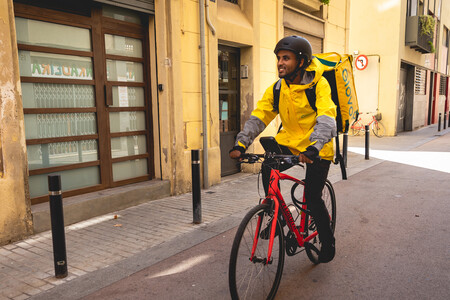
In 2021, Spain’s government introduced a legislative change that significantly altered the landscape of the delivery sector. Commonly referred to as the “Rider Law,” this legislation required thousands of delivery riders, previously classified as autonomous workers, to become employees of the platforms they operated for. Over the past four years, this change has evoked considerable debate and scrutiny, with stakeholders raising concerns about its repercussions on riders, restaurants, and consumers alike.
A Shift in the Delivery Model
The Rider Law was enacted with the intention of improving working conditions for delivery riders. However, as Alejandro Hermo, CEO of the popular hamburger chain Goiko, pointed out, the result has been a “lose-lose” scenario affecting all parties involved. According to Hermo, the shift from an efficient delivery model to a more rigid and costly system has negatively impacted service quality, causing delays and shortages during peak hours.
Hermo’s post on LinkedIn reflects a sentiment experienced by many in the industry: “We have gone from a delivery system that worked like clockwork to one that is rigid, expensive, and inefficient.” His observations highlight the challenges that both customers and restaurants are currently facing.
The Consequences for Riders
While the Rider Law aimed to safeguard workers’ rights, it has inadvertently led to a decline in income for many riders. The new employment model limits their freedom to manage their schedules and reduces opportunities for occasional work, a vital income source for many students and part-time workers. “The law has hindered access to very casual riders who only accepted orders to supplement their income,” Hermo lamented.
For riders who were previously independent, the transition to salaried positions has resulted in diminished earnings and a perceived loss of autonomy. While improved labor rights are essential, the complexity of the new model has left many riders feeling as though they are worse off than before.
Impact on Restaurants
The hospitality sector has also felt the repercussions of the Rider Law. Hermo summarized the situation succinctly: “Restaurants lose business and profitability.” With increased operational costs and a delivery system that has become less flexible, many restaurants are struggling to stay afloat. The legislative changes have forced them into a position where they must adapt quickly or risk losing clientele.
The focus on platforms and riders has overshadowed the fact that restaurants are indeed the secondary actors in this narrative. Yet, as Hermo rightly points out, their livelihoods depend upon a thriving delivery system, which is currently hampered by inefficiencies and rising costs.
A Decline in Customer Experience
Consumers are the ones who ultimately pay the price for this disruption. With fewer delivery options available and increasing costs, customers are experiencing longer wait times and subpar service. “The service worsens because there are fewer restaurants available,” Hermo noted, citing a noticeable decline in customer satisfaction.
Customers now face a stark choice: endure longer wait times and potentially receive their food in worse condition, or pay even more per order for a less reliable service. This decline in quality poses a threat to the very fabric of the food delivery experience that many have come to depend on.
The Need for Dialogue
Hermo advocates for a collaborative solution involving all stakeholders—platforms, distributors, and government officials. He emphasizes the need for dialogue to strike a balance that accommodates the demands of both riders and the hospitality industry. “The solution is not black and white; there must be intermediate points that can serve as inspiration for other countries,” he concluded.
The ongoing debate surrounding the Rider Law is not unique to Spain. It reflects a broader narrative in various parts of the world where gig economy workers seek better rights and protections while platform companies struggle to maintain profitability. The challenge lies in finding a sustainable model that benefits everyone involved.
Perspectives from the Workers
In an interview with EFE, Núria Soto, spokesperson for the RidersxDerechos Trade Union Platform, underscored the complexity of the issue. “Riders have more rights but also less income,” she noted. Her comments highlight the paradox wherein increased protections may inadvertently contribute to worsening job conditions for certain segments of workers.
Some riders report feeling more precarious than ever. Academic studies have corroborated these sentiments, revealing that the legislative changes may have led to lower wages and job losses.
The Rider Law, introduced in 2021, continues to resonate within the sector even today. The shift toward employing riders leads to significant operational changes and raises critical questions about the future of the gig economy. With companies like Glovo making key adjustments to adhere to the law, the sector must adapt swiftly to this new reality, ensuring that the delivery experience can improve for everyone involved.
As discussions around the Rider Law persist, the focus must remain on finding a balanced approach that addresses the needs of riders, restaurants, and consumers alike, facilitating a more equitable and sustainable delivery system for the future.