
China’s Remarkable Energy Transformation: From Pollution to Leadership
For decades, China has been synonymous with pollution. The image of gray skies, masked citizens, and rampant air quality issues dominated the international narrative. However, recent developments signal a dramatic shift. The Xataka YouTube channel’s latest video portrays this change as historical, illustrating China’s journey from being the world’s largest polluter to a leader in the energy transition. This transformation is not just a matter of improved air quality; it represents a significant shift in global energy power dynamics.
China’s energy transition has become a central component of its quinquennial plans, which set long-term goals for the country’s development. These plans, started in earnest during the Anti-Pollution Campaign, have become critical for Beijing, representing a political decision that transcends mere environmental issues. This evolution gave birth to the ambitious industrial strategy known as “Made in China 2025.” The overarching aim is twofold: to clean the air and to ensure energy independence.
Solar Power: A Case in Point
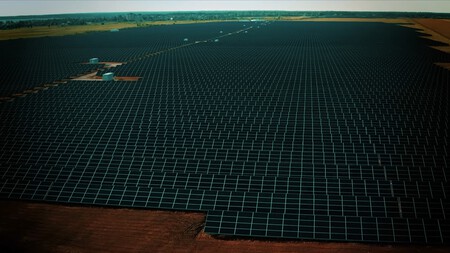
One of the most striking achievements in this transformation can be observed in Qinghai Province, home to a staggering solar park covering 610 square kilometers and housing about 7 million photovoltaic panels. This facility has the capacity to power around 5 million households, a remarkable feat illustrating the scale of China’s solar ambition.
Interestingly, the project has also led to an unexpected innovation known as “photovoltaic sheep.” These animals are utilized to graze the land beneath the solar panels, effectively managing vegetation while producing renewable energy. This concept exemplifies how China is rethinking agricultural practices in tandem with its energy goals, creating a sustainable ecosystem.
Angela Blanco, the video’s presenter, highlights that only in the first half of 2025, China added an astounding 212 GW of solar capacity and 51 GW of wind power. These figures command attention; they underline China’s position as a global powerhouse in renewable energy production. To put this into perspective, China now produces 80% of the world’s solar panels, 60% of wind turbines, and 70% of electric vehicle batteries. Such data illustrates the pivotal role that the Chinese industry plays in globally shaping renewable energy markets.
The Paradox of Coal
Despite these successes, China’s relationship with coal remains an intricate dilemma. Coal is not just any resource; it guarantees supply and sustains employment for millions. However, this reliance on coal stands in stark contrast to the ambition to emerge as a leader in renewable energy. This paradox poses a significant question: How does China reconcile its economic needs with its aspirations for sustainable energy?
As China’s industry pivots towards cleaner alternatives, the challenge remains—how to phase out coal without jeopardizing social stability or economic growth. The handling of this contradiction will have essential implications for the future of global energy. The balance between fossil fuels and renewable sources will influence not just China’s internal landscape, but the global energy framework, which has long been dominated by traditional power structures.
A New Global Energy Map
This transformation is indicative of a broader trend that could reshape the international geopolitical landscape. As countries worldwide grapple with climate change, China’s shift towards renewable energy may position it strategically as a global leader. The past decade has seen nations increasingly investing in clean technologies, but China’s rapid advancements put it at the forefront of this movement.
Moreover, Beijing’s industrial strategies are designed not just to lead domestically but also to exert influence internationally. Initiatives like the Belt and Road Initiative are increasingly tied to energy projects that emphasize sustainability. By exporting renewable technologies, China is not only catering to global demands for clean energy but also solidifying partnerships that enhance its economic footprint.
Conclusion
As we reflect on this remarkable shift, it is clear that China’s transition from a heavily polluted past to an environmentally conscious future is one of the most significant narratives in today’s energy landscape. This transformation is not merely about cleaner air; it involves a comprehensive redefinition of what it means to be a global energy player. The implications of this transition extend far beyond China’s borders and could usher in a new era of energy diplomacy. With figures underscoring a burgeoning solar and wind capacity, alongside the challenges posed by coal, China’s journey is one that deserves close observation. The full scope of this transition, including its challenges and triumphs, is best captured in the comprehensive discussions and insights available in the recent video on the Xataka YouTube channel.