
The Emerging European “Drone Wall”: A Unified Response to Rising Threats
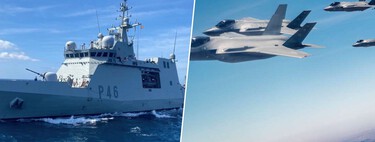
In recent weeks, a succession of drone raids and incursions by Russian aircraft over Poland, Romania, Estonia, Denmark, and Norway have highlighted the vulnerability of European airspace . These violations have led to the closure of civil airports, activation of NATO fighters, and the deployment of missiles to neutralize drones, which cost significantly less than the projectiles aimed at them. The alarm has spread from the Baltic to the Atlantic, prompting a growing consensus across Europe: the response must be a coordinated continental effort .
The Concept of a “Drone Wall”
The idea of a ” drone wall ” to protect Europe from the Russian threat is being championed by the European Commissioner of Defense, Andrius Kubilius . This innovative initiative proposes a multilayer system comprising radars, acoustic sensors, interception platforms, short-range anti-aircraft artillery, and defensive drones—all interconnected to share data in real time among participating countries. The main objective of this project is to achieve interoperability and common coverage capable of rapidly detecting and neutralizing drones.
The project, which will be formally presented at the Copenhagen informal summit , extends beyond border countries facing Russia. It aims to cover the entire continent and is designed to incorporate spatial capabilities in collaboration with the European Space Agency, enhancing situational awareness across Europe.
Ukraine as a Key Partner
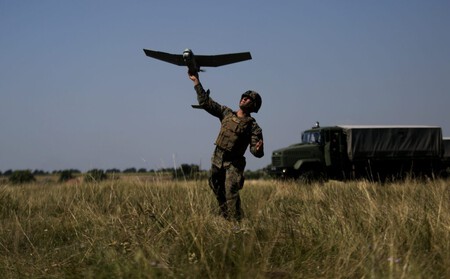
A pivotal aspect of this initiative is the involvement of Ukraine , which after over three years of conflict, has emerged as a leading authority in drone defense strategies. The Ukrainian military has adapted its drone operations in response to real-time feedback from the front lines, allowing manufacturers to innovate rapidly compared to the more rigid European arms industry.
Kyiv has offered to share expertise , send technical teams to train NATO forces, and collaborate on joint systems development. Countries like the UK and Denmark have already initiated industrial alliances with Ukrainian manufacturers to produce drones together, acknowledging the need for closer integration with Ukraine’s innovative capabilities for effective air defense.
Funding and Political Dynamics
The advancement of the drone wall project coincides with a significant financial initiative—a €140 billion loan to Ukraine sourced from frozen Russian assets within the EU. Germany, initially hesitant, has signaled its willingness to back this plan, realizing that without these funds, it would be impossible to fill the void left by a potential American withdrawal. This method avoids direct confiscation of the funds, thus maintaining international legality while generating immediate resources to support Ukraine’s war efforts.
Hungary, despite its proximity to the Kremlin, has not blocked the sanctions so far, but the potential for a veto necessitates that Brussels explores legal avenues that can circumvent the need for unanimity. The interconnectedness of funding for Ukraine and the implementation of a continental drone defense highlights that European security can no longer function independently of Kyiv’s survival.
Germany’s Cautious Stance
Despite the enthusiasm from Brussels and Eastern European countries, German Defense Minister Boris Pistorius has expressed skepticism regarding the operational timeline for the drone wall. He contends that the concept of having a fully operational defense system within three to four years is unrealistic, given the slow nature of acquisition and technological development processes.
Pistorius advocates for prioritizing flexible capabilities that can rapidly adapt to evolving technologies rather than committing to a rigid and costly framework. His caution highlights the tension between leaders demanding rapid action, such as those from the Baltic states and Poland, and those urging financial prudence, like Germany. Nevertheless, even skeptics agree on the pressing need for significantly increased investment in air defense, whether or not it falls within a common drone wall system.
The Role of the UK: Project Octopus
Simultaneously, the United Kingdom has announced its commitment to a joint program with Ukraine labeled Project Octopus , aimed at producing low-cost interceptors in British facilities. These drones can be manufactured quickly and are designed to be highly effective against threats like Iranian Shahed drones. They boast a production cost that is ten times lower than comparable systems, making them potential linchpins in Europe’s short-range air defense architecture.
By sharing intellectual property with Ukraine and supplying drones to both Ukraine and NATO allies, British involvement seeks to enhance its strategic influence while reinforcing its role as a key player in European defense systems following its exit from the EU.
A New Strategic Balance is Required
The initiative to create a drone wall should be viewed within a broader context of progressive separation from the United States, a trend highlighted by recent U.S. policies. The recognition that Europe’s primary military ally may no longer be the United States, but rather Ukraine itself , which boasts over 700,000 active combatants and a nimble defense industry, marks a significant strategic shift.
As Europe transitions from viewing Kyiv as merely a recipient of military support to positioning it as an active security provider , the establishment of industrial partnerships for drone production signifies the initial steps toward a new symbiotic relationship that could reshape the continent’s defense landscape.

Conclusion
As Europe grapples with the pressing need to establish a cohesive defense mechanism against increasing threats, the concept of a drone wall symbolizes a broader ambition to fortify its airspace. While the urgency for swift actions to fend off vulnerabilities from Russian drone incursions is palpable, Europe must navigate the complexities of expectations and resources carefully. The collaboration with Ukraine and innovative financing strategies indicate a budding autonomy in European defense, reflecting a shift towards a future where security is imperatively self-reliant and grounded in mutual collaboration between allies.
Image | Khamenei.ir, Nara, Rawpixel