
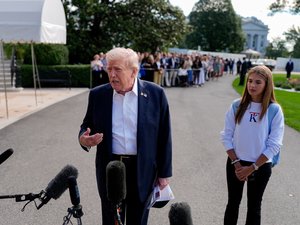
This week, former President Donald Trump made headlines once again by unveiling a new peace plan aimed at resolving the ongoing conflict in Gaza . His presentation took place during a meeting at the United Nations and included key figures such as Israeli Prime Minister Benjamin Netanyahu and various Muslim leaders . On September 26 , Trump expressed a sense of optimism about the prospects for a resolution, claiming to have “an agreement that will end the war.”
Trump’s Vision of a Two-State Solution
In his address, Trump emphasized the importance of a two-state solution , a concept that has been central to Middle Eastern peace talks for decades. This framework envisions Israel and a future Palestinian state living side by side in peace and security. Trump’s assertive remarks sent ripples through both diplomatic circles and the media, reigniting hopes that a lasting resolution could finally be on the horizon.
More specifically, Trump stated: “I think we have an agreement.” His remarks were made in front of a room filled with journalists, suggesting a firm belief in the potential for achieving tangible results. During his exchange with the press, he insisted that the agreement would not only facilitate the release of hostages but would also provide a comprehensive solution that could bring an end to the continual cycle of violence.
The Promise of Peace
Trump’s assurances included a commitment to guarantee the return of hostages , a key issue that has garnered increasing attention from the international community. Such a guarantee could serve as an initial confidence-building measure that might pave the way for broader negotiations. His declaration, “It will be an agreement that will bring the hostages back,” indicates the administration’s focus on humanitarian issues as a pathway to durable peace.
Following his remarks, Fox News caught the moment with a detailed report, tweeting:
UD83D Udea8breaking: President Trump Announces, “It’s Looking Like We have a Deal on Gaza” that would secure the Return of the Hostage and End the war. pic.twitter.com/sbekdeupkg
– Fox News (@Foxnews)
The Reaction from Israeli and Palestinian Leaders
While Trump’s rhetoric fosters hope, reactions from Israeli and Palestinian leaders have historically been mixed when it comes to proposed solutions, particularly ones that have not been collaboratively negotiated. Both sides have expressed skepticism towards unilateral proposals, particularly from external actors like the United States. However, this time, Trump appears to be including Muslim leaders in his discussions—a development that many see as necessary for fostering regional buy-in.
Historically, peace plans have failed when they have not accounted for the perspectives and needs of all parties involved. Trump’s initiative could potentially signal a different approach, one rooted in collaboration rather than imposition. Palestinian representatives, on their part, have shared their aspirations for self-determination and equal rights, asserting the necessity for their involvement in any peace process.
What Lies Ahead?
As we look toward the future, the success of Trump’s peace plan will largely depend on diplomatic negotiations that prioritize the interests of both Israelis and Palestinians. Observers are eager to see if this is a genuine attempt to bring about peace or merely a political maneuver ahead of an election cycle. The coming weeks will be critical in determining the viability of this new initiative and whether it can indeed lead to a lasting resolution .
With peace in the Middle East remaining one of the most elusive goals of our time, the global community will be watching closely to see if Trump’s vision can transform into reality. If successful, this agreement could mark a significant turning point in not just Israeli-Palestinian relations but also in how future peace processes are approached in conflict zones around the world. However, given the complex history and deep-seated grievances that characterize this conflict, the work ahead is undoubtedly daunting. Each step will require not only brave leadership but also the commitment to engaging every stakeholder meaningful way.