
Mehdi Benatia’s Concerns Over the Decline of Italian Football
In a revealing interview with Corriere dello Sport, former Moroccan international Mehdi Benatia expressed his deep concerns about the current state of Italian football. Once viewed as a powerhouse of talent and skill, Benatia believes that the decline of the sport in Italy is palpable, particularly when you compare it to the talent pool of countries like France.
Benatia, who served as the captain of Morocco, reflected on his earlier days when he viewed the Italian national team as virtually untouchable. He reminisced about the iconic players who used to represent the Azzurri—names that evoke nostalgia among football fans around the world. “What worries me in Italy is the lack of talent. I think of the national team: as a captain of Morocco, I saw Italy as something inaccessible. Players like Totti, Pirlo, Del Piero, Nesta, Maldini, Vieri, Cassano, and Montella—where are they now?” Benatia questioned, signaling a stark contrast between the footballing giants of the past and the current squad.
His comments are not just mere nostalgia but a call to action. The decline Benatia sees goes beyond simply missing legendary figures; it reflects a larger issue concerning youth development, player scouting, and the overall footballing infrastructure in Italy. Once a country that consistently produced world-class talent, Italy now faces challenges in nurturing the next generation of top footballers.
In maintaining his perspective, Benatia’s comparison with France hits hard. He states, “France has at least four national teams higher than Italy.” This claim could be interpreted as a significant challenge to the Serie A and its clubs, calling into question the competitive edge they once had both in domestic competitions and on the international stage. France’s success in producing multiple elite teams comes from a robust youth development system that Italy desperately needs to revamp.
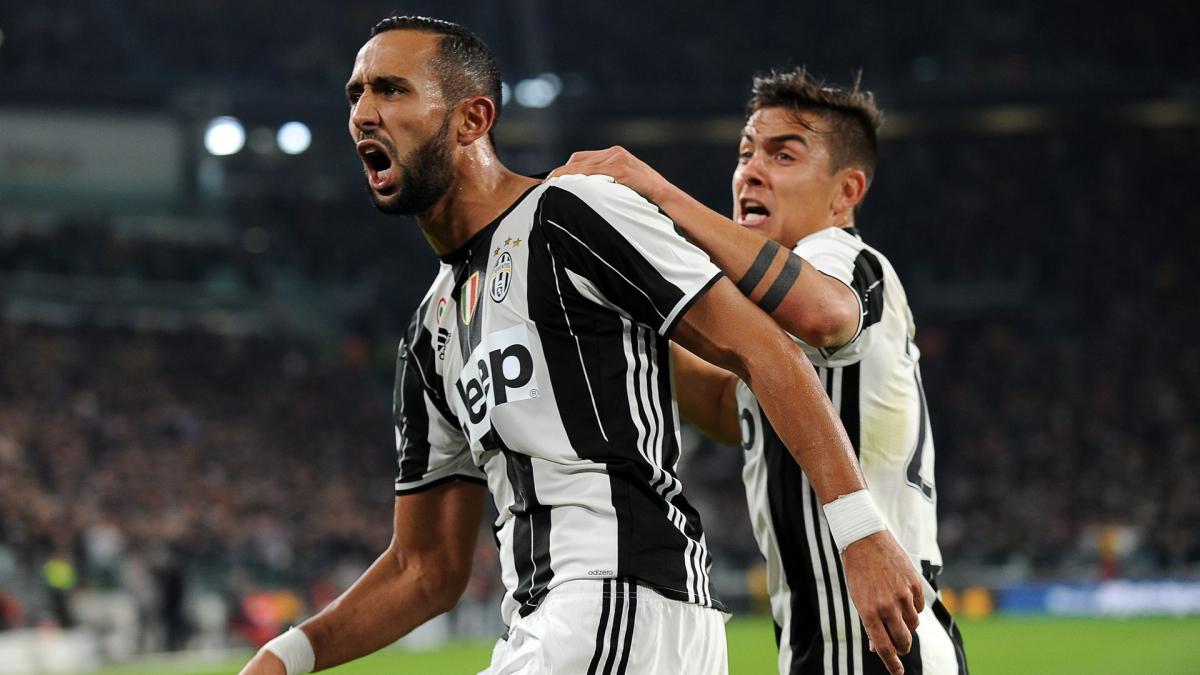
Benatia’s insights are grounded in his extensive experience within Italian football. Having played for Juventus from 2016 to 2019, he was part of a squad that included Cristiano Ronaldo, and he understands first-hand the caliber of talent needed to compete at the highest levels. His tenure at Juventus, a club that has dominated the Serie A for years, allowed him to witness the dramatic transformation of talent over the years.

As youth academies across Italy face difficulties in producing homegrown players, Benatia’s concerns serve as a crucial wake-up call. Nations like France have demonstrated that investing in youth is essential for long-term success, and Italian clubs must embrace this reality if they wish to restore their former glory.
The implications of this decline are not merely academic; they resonate in various sectors, including club performances in domestic and European competitions. The absence of top-tier talents affects the quality of Serie A and its global perception as a competitive league. While Serie A has seen its share of foreign investments, which brought in big names, there is a growing realization that nurturing local talent is equally important.
Moreover, fans are noticing the difference. Younger generations of football aficionados are beginning to look elsewhere for their heroes, as other leagues showcase exciting talents and entertaining styles of play. The allure of the Premier League and La Liga has grown tremendously, especially as they continue to attract world-class players and coaches.
Benatia’s assessment underscores a pressing need for strategic changes within the Italian football system: better scouting, enhanced coaching methodologies, and a stronger focus on youth development. The footballing community in Italy must recognize that the strength of its national team and domestic league relies on the health of its grassroots programs.
In conclusion, Benatia’s critique of Italian football serves as a significant commentary on the country’s present and future in the world of sports. The message is clear: Italy must not only remember its past legends but also invest in creating the new talents of tomorrow to remain competitive on the international stage. The ongoing challenge presents both hurdles and opportunities; how the football community responds will determine the course for Italy’s footballing future.