

Satya Nadella: From DEC to Microsoft’s Helm
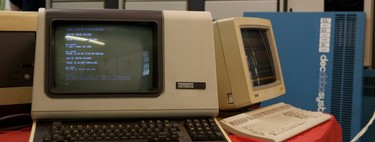
The first computer of Satya Nadella, CEO of Microsoft, was a VAX manufactured by Digital Equipment Corporation (DEC) in the late 1970s. This machine sparked a passion in Nadella, affirming his aspiration to pursue a career in computer science. More than that, he envisioned a future where he would work for DEC. However, fate had different plans. DEC’s pioneering technology, built around its own architecture called Virtual Address Extension (VAX), could not withstand the rise of RISC architecture, leading to its downfall. Despite efforts to survive, DEC was acquired by Compaq in 1998 and faded into obscurity shortly thereafter.
The Lessons Nadella Learned from DEC
By the time DEC’s decline began, Nadella had transitioned into another role. After a short stint at Sun Microsystems, he joined Microsoft in 1992, rising through the ranks to become CEO in 2014. The interesting aspect is that Nadella’s journey was deeply rooted in his past experiences with DEC. During a recent town hall meeting with Microsoft employees, he candidly reflected on how the fate of DEC still reverberates within him.
“Our sector is full of practical cases of companies that were once prominent and simply disappeared. There is one in particular that haunts me, called DEC.”
This statement reflects a profound awareness of the transient nature of tech giants. Nadella explained that some contributors to Windows NT hailed from a closed DEC laboratory. This discussion was in part a response to concerns regarding Microsoft’s current moral and ethical direction, especially following a massive round of layoffs affecting 9,000 employees.
Interestingly, despite the hardships, Nadella affirmed that Microsoft, after 51 years in the market, is achieving record metrics . With a stock market capitalization nearing four trillion dollars, Microsoft stands as one of the world’s top companies, often trading places with Apple and Nvidia. Yet, Nadella cautioned that the road ahead remains perilous. “When I consider the level of difficulty that lies ahead—as we navigate a rapidly changing landscape in technology and the economy—it is clear we face formidable challenges,” he stated.
The Future of Software: A Changing Landscape
One critical concern for Microsoft isn’t merely the enhancement of existing software products by AI; rather, it lies in the potential irrelevance of those products altogether. Nadella himself acknowledged this unsettling reality during discussions with employees. He noted that “all the categories we once cherished for the past 40 years may soon be inconsequential.” This sentiment is further elaborated in his blog post titled “Recommitting to our Why, What, and How.”
The implications of this paradigm shift are monumental for the software giant:
- Office and Windows: Historically, these have been significant income sources for Microsoft. However, with the rise of AI that can handle office tasks autonomously, the necessity for traditional productivity suites may diminish. Users could simply instruct an AI to carry out these tasks, fundamentally changing how we approach work.
- Unencumbered Competitors: New AI startups have the advantage of operating without the burden of legacy systems tied to traditional software. Such agility allows them to develop fast, native solutions tailored for the AI era, making obsolete software models increasingly problematic.
The stakes are high for Microsoft, given its substantial investment in OpenAI. However, the relationship has evolved, and both firms find themselves positioned as uneasy allies while simultaneously pursuing their own objectives. OpenAI has become a formidable player, attracting colossal investments from giants like SoftBank and Nvidia, leaving Microsoft in a precarious situation.

The pressure on Microsoft to reinvent itself is intense. Historically, the company has adapted after failing in various sectors such as internet search engines and mobile phones. However, as AI technology rapidly evolves, new challenges arise. Microsoft has been proactive, especially in embracing the AI paradigm through its relationship with OpenAI. Yet, the company now finds itself grappling with the consequences of its past decisions. What strategies will Nadella employ to ensure Microsoft remains a contender in this unpredictable arena?
In every crisis lies an opportunity, and the path ahead may offer Microsoft a unique chance to redefine its legacy as it champions innovation amidst these changing tides.