
Horror cinema is experiencing a commercial peak, with the latest installment of The Conjuring breaking box office records and new genre films releasing almost weekly. The richness and diversity of the horror genre allow us to explore its origins and uncover magnificent, revolutionary films. This list of 25 films is inevitably incomplete, but we aim to prioritize variety in eras, filmmakers, and styles above all. Each film is paired with an additional recommendation linked in some way to the primary film.
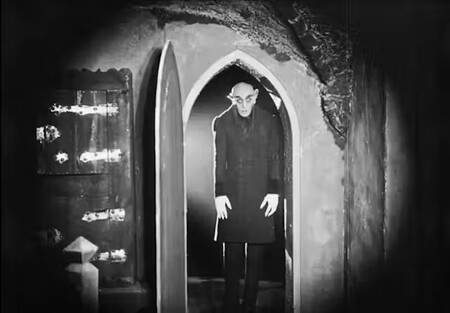
Nosferatu (1922)
Alongside The Cabinet of Dr. Caligari , Nosferatu is an iconic silent horror film, both set within the fascinating and suggestive realm of German expressionist cinema. This unauthorized adaptation of Bram Stoker’s Dracula gains its personality through occult deviations by producer Albin Grau and Murnau’s haunting poetic vision, creating a vampire narrative that astounds with its ongoing influence.
Extra Pick: Notable adaptations of Nosferatu include Herzog’s 1979 version featuring Klaus Kinski and Eggers’ 2024 homage, rich in striking images that are hard to forget.
Dracula (1958)
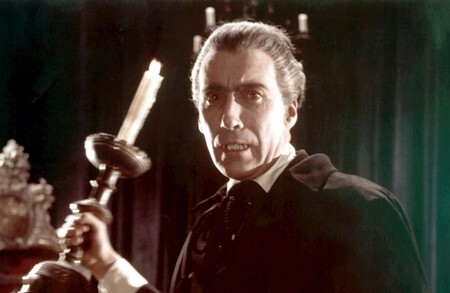
Ah, Hammer Films . This cinematic venture, once deemed excessive, has become synonymous with elegance and suggestion. Featuring excellent actors like Christopher Lee and Peter Cushing, and classic directors such as Terence Fisher, Hammer produced a plethora of memorable adaptations. Here, we highlight their inaugural venture into horror, showcasing the legendary performances of Lee and Cushing based on Stoker’s novel, surpassing Bela Lugosi’s version.
Extra Pick: Explore Hammer’s adaptations of classic monsters, including their takes on Dracula and Frankenstein , along with cult classics like The Plague of the Zombies and The Devil Rides Out .
Psycho (1960)

How many perfect films exist? Unquestionably, Psycho stands as one of them. Its masterful use of suspense, coupled with an enigmatic narrative, captivates audiences regardless of how many times they’ve seen it. Although it may lean more towards thriller than pure horror, its necrophilic themes and meditations on death secure its iconic status.
Extra Picks: Explore its sequels, including the entertaining and respectful Psycho II and the intriguing Psycho III directed by Anthony Perkins.
Onibaba (1964)
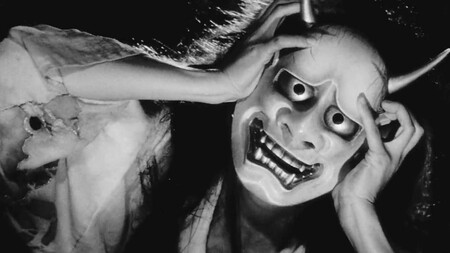
As a masterpiece of Japanese horror that transcends genre boundaries, Onibaba depicts two women surviving by killing samurais during a ravaged medieval Japan. Its rich symbolism, coupled with repressed desires, creates an oppressive atmosphere, introducing supernatural elements only toward the film’s climax.
Extra Picks: Familiarize yourself with lesser-known classics in Japanese horror like Kuroneko or Kwaidan .
Rosemary’s Baby (1968)
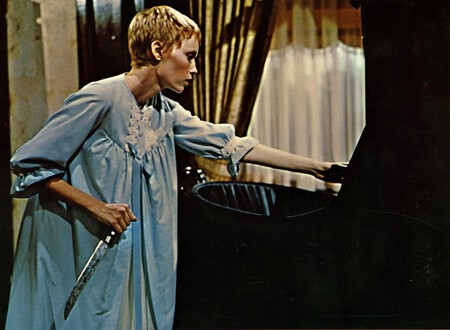
Regarded by many as the most sinister film ever made, Roman Polanski’s Rosemary’s Baby employs a plethora of psychological tricks to foster paranoia and suspicion. Its imagery is haunting, and with a gripping finale, it remains an eternal masterpiece.
Extra Picks: Delve into Polanski’s other psychological horrors like Repulsion and The Tenant .
The Wicker Man (1973)
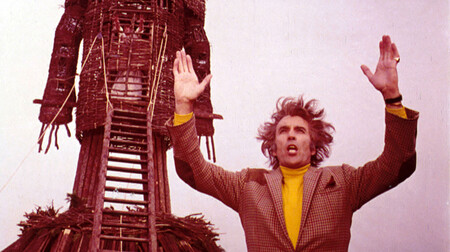
This unsettling feature offers a rare atmosphere featuring an interesting mixture of investigative narrative and nightmare labyrinths. Its compelling imagery and characterizations of the villain add a depth that makes it unforgettable.
Extra Picks: If you enjoy folk horror and pagan rituals, Midsommar and Apostle may also pique your interest.
The Exorcist (1973)
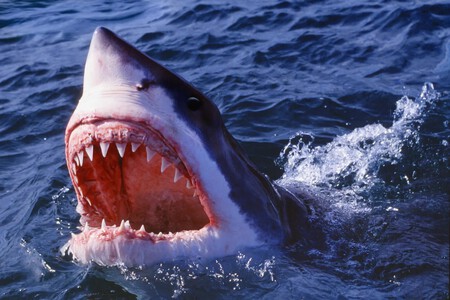
Many consider The Exorcist the scariest film ever, and its groundbreaking approach to horror has influenced countless filmmakers. Its combination of explicit terror during the ’70s and nuanced character development contributed to its status as an enduring classic.
Extra Pick: Check out The Exorcist III , directed by William Peter Blatty, which offers a thrilling police investigation tied to possession.
The Texas Chain Saw Massacre (1974)
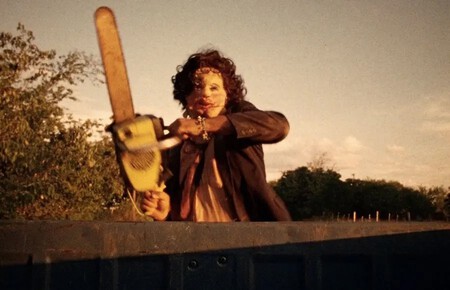
Only a year after The Exorcist , horror experienced another shake-up with Tobe Hooper’s groundbreaking film. The film features unsettling sounds and an oppressive atmosphere, delivering raw horror via painfully drawn-out scenes of terror.
Extra Pick: Investigate the franchise further, especially the compelling sequel that introduced a distinct grand guignol aesthetic.
Jaws (1975)
Celebrated for its tension-building cinematography, Jaws escalated fear through both visual and auditory elements, transforming it into a quintessential horror film that still resonates today.
Extra Pick: Try The Birds , which turns avian attacks into a visceral metaphor for an unexplained, abstract threat.
Hausu (1977)
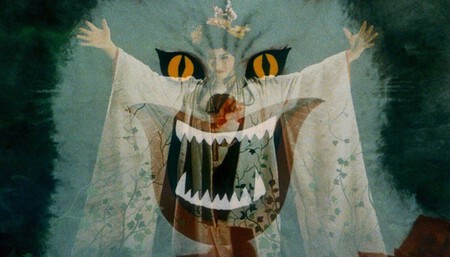
A uniquely eccentric experience, Hausu mixes horror with a psychedelic aesthetic. Nobuhiko Obayashi’s creative vision defies logic, leading viewers through a whimsical yet terrifying ride as a group of schoolgirls find themselves ensnared within a haunted house.
Extra Pick: For those desiring more eccentric horror, The Viy , a classic Russian adaptation, brings innovative storytelling with spectacular imagery.
Eraserhead (1977)
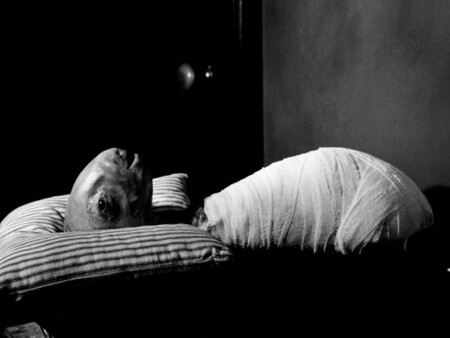
David Lynch explores the boundaries of the uncanny and surreal in Eraserhead , showcasing disturbing visuals that provoke haunting nightmares. Its audacious creativity continues to challenge conventional horror norms.
Extra Picks: Lynch’s illustrious filmography includes gems like Blue Velvet and the vast universe of Twin Peaks .
Suspiria (1977)
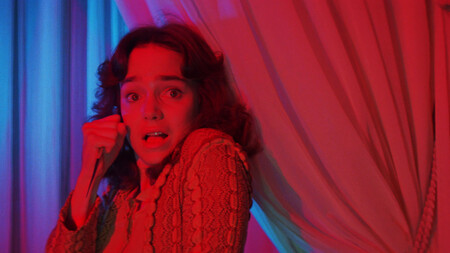
Dario Argento’s Suspiria offers a vibrant and immersive experience, rendering it one of the most visually arresting films in history. Its fairy-tale narrative intertwined with horror, showcases an unsettling beauty that is timeless.
Extra Picks: Dive into Argento’s classics, including Deep Red and Phenomena .
Dawn of the Dead (1978)
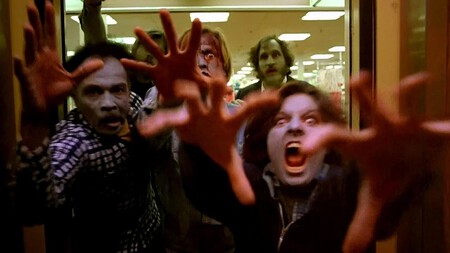
Whether Night of the Living Dead or Dawn of the Dead holds the title as the founding horror landmark remains debated. With its tactical portrayal of societal decay, Dawn of the Dead revolutionized the genre, influencing numerous contemporary narratives.
Extra Picks: George A. Romero’s entire oeuvre is essential, especially his original undead trilogy.
Alien (1979)
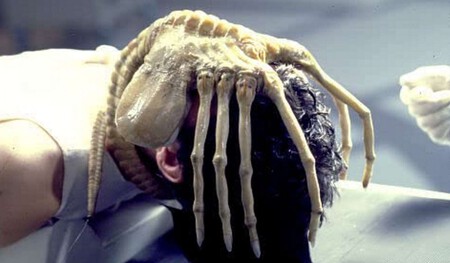
Alien remains a monumental masterpiece in horror sci-fi. Boasting visually stunning designs by H.R. Giger and unforgettable performances, it terrifies without needing to reveal everything on screen, instead capitalizing on suspense.
Extra Picks: The franchise as a whole remains captivating, especially Aliens , and even varying degrees of quality among the sequels provide entertainment.
The Shining (1980)
Though Stephen King may not rank it among his beloved adaptations, Stanley Kubrick’s The Shining excels as one of the greatest haunted house films ever made, showcasing iconic performances from Jack Nicholson and Shelley Duvall.
Extra Pick: Carrie , an earlier adaptation, remains equally influential, combining horror with social commentary.
The Beyond (1981)
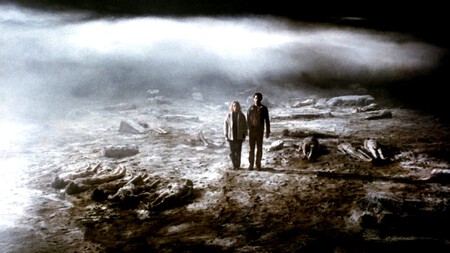
Overlooked for years, Lucio Fulci has regained his status as a master of abstract and exploitative terror. The Beyond is a nightmarish journey filled with existential dread and visceral experiences.
Extra Picks: Fulci’s other masterpieces like Zombi and City of the Living Dead are must-sees.
Possession (1981)
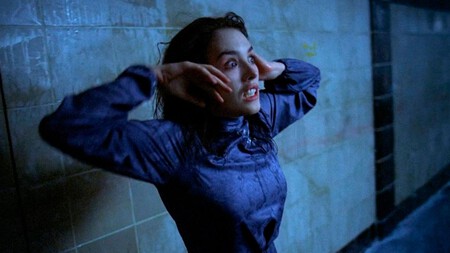
Possession is a disturbing exploration of a couple’s disintegration, featuring fierce performances from Isabelle Adjani and Sam Neill entwined with haunting surrealism.
Extra Picks: For more surrealist horror, check out Tetsuo: The Iron Man or Under the Skin .
The Thing (1982)

John Carpenter’s The Thing remains a flawless example of horror that manages to stay relevant well beyond its time. Its intense and claustrophobic narrative coupled with groundbreaking special effects makes it a classic.
Extra Picks: Carpenter’s filmography should not be missed, especially works like Halloween .
A Nightmare on Elm Street (1984)
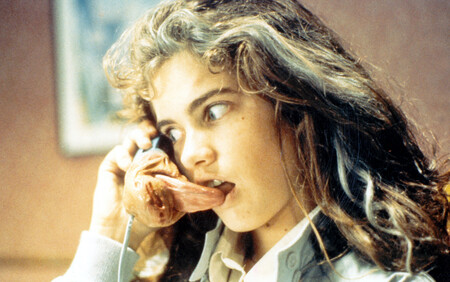
Harboring a unique charm, A Nightmare on Elm Street brought forth a new kind of slasher villain in Freddy Krueger, capturing the imagination and fears of an entire generation.
Extra Picks: All sequels have their charm, making it a franchise worth exploring.
The Fly (1986)
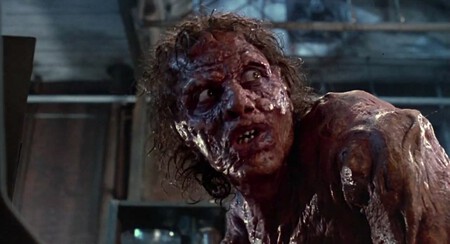
David Cronenberg’s The Fly masterfully interweaves body horror within a romantic framing, showcasing both the terror of transformation and the fragility of human experience.
Extra Picks: Other Cronenberg horror films like Rabid and Videodrome also offer thrilling experiences.
Hellraiser (1987)
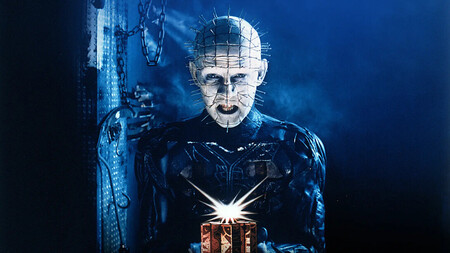
A transformative piece of horror, Hellraiser showcased what was unprecedented at its time — visually striking with a blend of horror and mythology resonating until today.
Extra Picks: Explore more intricate horror, such as Phantasm , another memorable work from the period.
The Silence of the Lambs (1991)
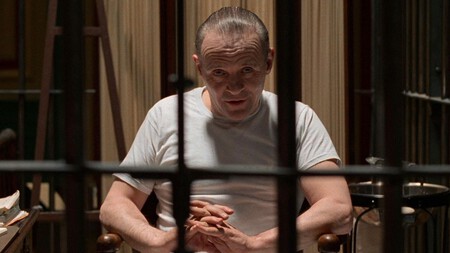
Though 90s horror seems less original, The Silence of the Lambs offers a gripping narrative with fine performances that have added a classic touch to the genre.
Extra Pick: Misery , though darker and more grounded, is equally compelling, showcasing a duet of intense performances.
The Witch (2015)
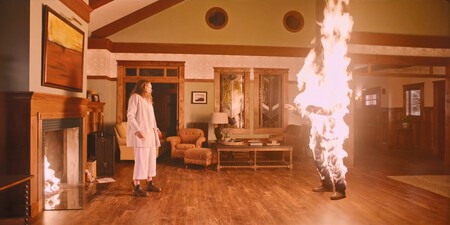
A notable figure in the so-called ‘elevated horror’, The Witch embodies the essence of dread with an enthralling setting and deep narrative. It has propelled Anya Taylor-Joy into stardom.
Extra Picks: Explore films reminiscent of witchcraft like the silent Häxan , which combines documentary elements with mystical visuals.
Hereditary (2018)
Pioneering a new wave of horror cinema, Hereditary explores themes of trauma and despair in a family, blending psychological elements with genuinely shocking visuals.
Extra Picks: The movement of ‘elevated horror’ continues with esteemed titles such as It Follows and The Babadook .
The horror genre is not just about eliciting screams; it reflects cultural anxieties and our primal fears. Each of these films has played a pivotal role in shaping the landscape of film and continues to inspire new generations of filmmakers, ensuring that the echoes of fear and fascination remain alive in our collective consciousness.