
Mateusz Klich’s Candid Critique of Inter Miami: What Lies Beneath the Glamour
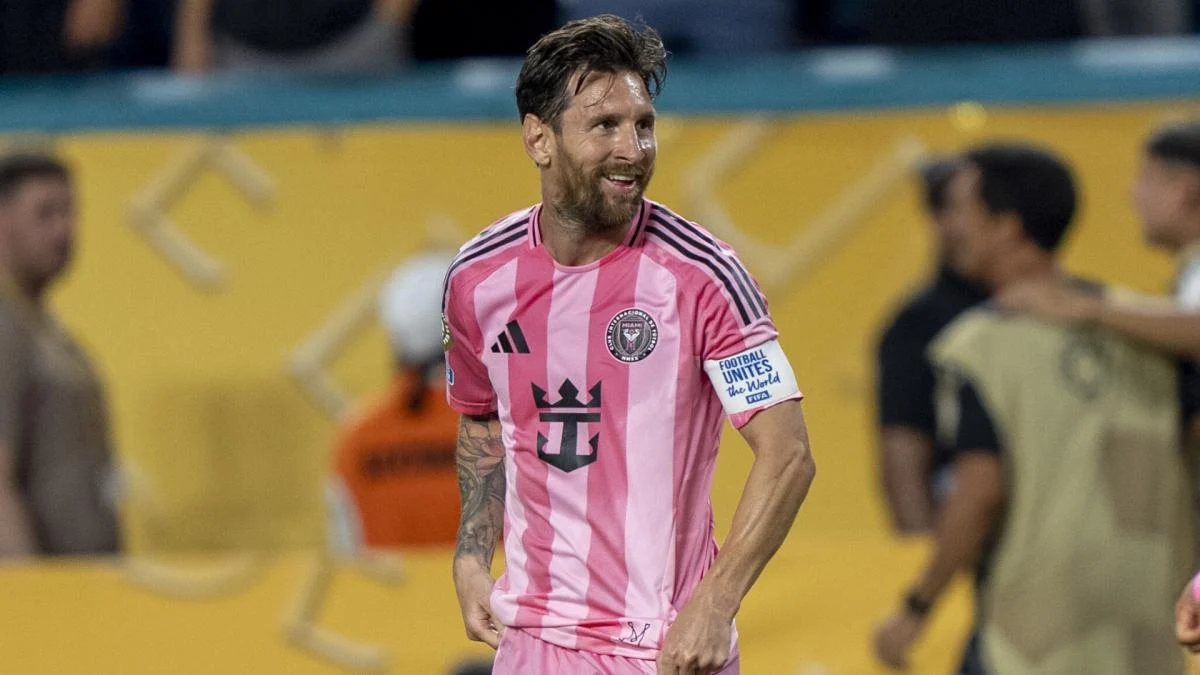
Inter Miami, the buzzing soccer club co-owned by the legendary David Beckham, recently secured a thrilling 3-2 victory against DC United in the MLS Eastern Conference. While this match adds another notch to their burgeoning legacy, it has also ignited a deeper conversation surrounding the dynamics within the club, especially given recent comments from Mateusz Klich, a notable figure in the MLS landscape.
Klich spent two and a half years in Major League Soccer with teams like Atlanta United and DC United before returning to his roots in Krakow this summer. Although he never played for Inter Miami, his insights reveal a critical perspective that may raise eyebrows, especially for fans enamored by the club’s intoxicating allure largely due to the presence of soccer superstars like Lionel Messi.
Views From Within: Klich’s Experience in MLS
In an interview relayed by the Daily Mail, Klich did not hold back when discussing his perceptions of Inter Miami. He described the club’s environment in unflattering terms, saying, “I don’t recommend Miami as long as Messi is there. It is a disaster.” This statement serves as a startling endorsement for other MLS teams while simultaneously casting a shadow over the ever-glorified setup at Inter Miami.
Klich elaborated further on the issues he perceives within the organizational structure of the club. “People leave, coaches and physiotherapists leave. Organizing, it’s bad. It is essentially Messi’s father who runs the club,” he remarked. Such a claim insinuates a troubling hierarchy that might not sit well with many current and prospective players in the league.
A Cultural and Geographical Divide
One significant point Klich raised was the cultural dynamics within the team. He pointed out that “everyone speaks Spanish, and nothing can be done without their consent.” This is a critical observation in an increasingly multicultural league, demonstrating the challenges non-Spanish-speaking players might face while trying to navigate this environment.
Furthermore, Klich noted the logistical aspects of playing in Miami, emphasizing that the club is located 45-50 minutes from the city itself, potentially presenting challenges for players commuting daily. While it may be an enviable location for some, for others it poses practical inconveniences that might dissuade talent from considering Miami as a first-choice destination.
Alternatives to Inter Miami: Klich’s Recommendations
Klich didn’t only offer criticism; he also suggested alternatives for players looking to thrive in the MLS. In his view, teams like New York Red Bulls, which boast superior stadium facilities, or New York City FC, which is in the process of building an impressive new stadium, represent much better options. He further recommended cities like Nashville, highlighting it as “a beautiful place, the country’s capital,” appealing for its vibrant culture.
He was also complimentary about the Columbus Crew and Cincinnati FC, noting their excellent facilities, which can dramatically enhance a player’s experience. However, he added a caveat about life in those cities being “very boring.”
The Soccer Landscape: NASL vs. MLS
Klich’s remarks resonate with a broader narrative surrounding the modernization of soccer in the United States. As the MLS continues to evolve, clubs are putting greater emphasis on amenities, player welfare, and community engagement. However, comments like those from Klich serve as cautionary tales, reminding fans and players that glitz and glamour don’t always translate to a healthy working environment.
What remains to be seen is how Inter Miami responds to such critiques. As the club continues to vie for soccer supremacy in the league, addressing these internal challenges could determine its trajectory moving forward.
In conclusion, while Mateusz Klich’s insights into Inter Miami may have raised eyebrows, they provide essential context on the recent struggles and dynamics involved within the club. Moving forward, it will be crucial for Inter Miami to not only build a team of stars but also cultivate an environment where all players can thrive, regardless of their background or the language they speak. The outcome of such efforts will significantly influence the alluring but complex narrative of soccer in the United States.