

The Unyielding Rat Issue in New York City
New York City and its infamous rat problem have been chronicled throughout history. This long-standing issue is often viewed through a lens of disgust; yet, it also reflects a deeper struggle to manage an urban wildlife invasion . Reports revealed a staggering 300% growth in rat populations by 2025, leaving city officials grappling with a challenge that appears insurmountable. The situation has transformed these rodents from mere pests into a troubling symbol of urban decay.
An Unexpected Urban Icon
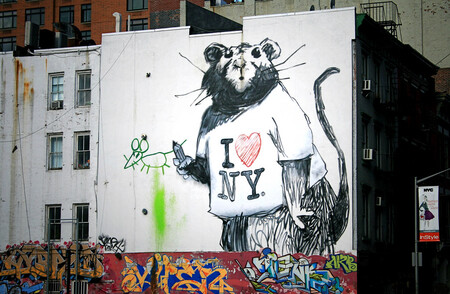
Since its inception as New Amsterdam in the 17th century , New York has developed an iconic identity. Think about the “I ❤ NY” shirts, the delicious pizza, and the dazzling Broadway shows . However, lurking beneath this glamorous facade is a less desirable cohabitant: the common rat . Estimates suggest that around three million rats currently inhabit the city, a staggering number that equates to roughly a third of the human population. These rodents have become an integral component of the urban ecosystem , enabling researchers to study how wildlife can adapt to bustling urban environments. Indeed, New York rats are becoming an increasingly vital subject in understanding the balance between humans and nature.
Groundbreaking Research on Rat Communication
A recent collaborative study involving scientists from New York and Germany set out to delve deeper into rat behavior using advanced technology. Utilizing artificial intelligence , thermal imaging, and specialized audio recordings, the research aimed to explore how these urban rodents differ from conventional Rattus norvegicus profiles. The findings, published in the Biorxiv platform , revealed something astonishing: New York rats have developed an adapted communication system.
This innovative study uncovered that rats modulate their vocalizations based on ambient noise levels, adjusting the pitch and intensity of their ultrasonic calls . In quieter locations like parks, their calls were less intense, whereas in the chaotic environment of subway stations, they amplified their vocalizations to ensure their messages were heard amidst the clamor of urban life.
<div class="asset-content">
    <p>
        <iframe src="https://www.youtube.com/watch?v=an9mcu8hmno"></iframe>
    </p>
</div>
Adaptive Behavior and Social Dynamics
The researchers utilized deep neural networks to evaluate the spectrograms of the rat calls. Results indicated that the vocalizations of New York rats not only differ in duration but also fall outside the typical frequency ranges observed in other cities. This discrepancy suggests a unique language shaped by the need for visibility and voice in a bustling environment.
One of the researchers, Emily Mackevicius , provided an intriguing example. During the sound of an ambulance siren, the rats’ ultrasonic squeaks registered clearly above the noise. This highlighted their ability to raise their voices in a cacophonous city, serving as a testament to their adaptiveness.
Insights Into Rat Social Structures
Moreover, the study offered insights into the social dynamics of rats. Young rats tended to navigate through learning strategies in a group , whereas adults sought solitude, hinting at a flexible social structure. This behavioral pattern underscores the necessity for protection and situational awareness, revealing complex cognitive processes that go beyond the usual pest narrative.
Broader Implications of Urban Ecology
The significance of the New York rat study extends beyond merely understanding their communication techniques . It highlights the critical importance of comprehending the biology of urban ecosystems for future urban planning. As projections state that by 2050 , nearly 70% of the global population will reside in cities, comprehending how urban wildlife adapts is essential. Animals such as rats, pigeons, and even foxes are integral parts of an evolving urban ecosystem .
In conclusion, the discovery that New York’s rats have cultivated a unique language adapted to their noisy surroundings not only sheds light on their immense capacity for adaptation but also reflects a profound reality about urban life: our environments shape the behaviors and dynamics of all living beings, fostering a continuous biological experiment. Understanding this connection between human and animal behavior will be crucial as we navigate the complexities of modern urban living.