
The housing crisis has become a pressing issue across numerous countries, and Spain is no exception. According to Idealista, the average price of real estate per square meter has skyrocketed by over 40% in the last five years. When observing how neighboring countries address this challenge, we can draw from examples like the UK’s escalating property taxes or the fact that nearly 10% of the real estate market in Spain comprises second homes. However, Paris has emerged with a bold solution: converting offices and parking spaces into residential units.
This notable initiative is anchored in social housing . Paris is among the European cities prioritizing the creation of protected housing. Recent data reveals an increase from approximately 126,000 social homes to nearly 272,000 over the recent decades. Currently, social housing in the French capital represents about 25% of the overall housing stock. Despite this significant investment, which saw the public spending on housing rise to 800 million euros (an increase of 28% compared to previous years), demand remains exceptionally high and unmet.
<img alt="The housing crisis rises in Spain: now what is growing is the rental of rooms " width="375" height="142" src="https://i.blogs.es/f8c685/bcn/375_142.jpeg"/>The relevant ramifications are profound; although the number of protected homes has increased, property prices across Paris remain exorbitant. Mayor Anne Hidalgo has commented that young people struggle to access housing, labeling the price levels as “tremendous.” Without parental support, many find it virtually impossible to buy property. To address this pressing issue, the city has started utilizing legal frameworks to facilitate housing conversions.
The 2025-541 law, enacted in June of this year, is designed to streamline the transformation of non-residential buildings into homes. This regulation grants urban officials authority to allow changes in building usage, even if it contradicts existing local urban plans.
How does this work? By easing the transformation of offices and parking lots into residential spaces, the legislation also includes the provision of a reversible license . This license allows buildings to switch between residential and office use without necessitating new permits, a move aimed at accelerating housing development.
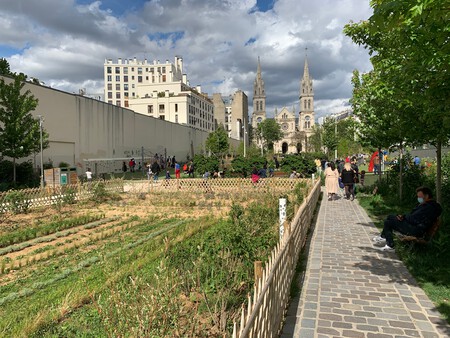
<span>Truillot garden</span>The goal of this initiative is to promote housing creation in areas already equipped with infrastructure but currently designated for non-residential use. Rather than constructing new buildings—an often lengthy and expensive undertaking—the aim is to remodel existing spaces into residential units. This strategy has been gaining traction in Paris over several years.
Since 2020, around 70% of urban permits issued have pertained to restructuring projects, highlighting a shift towards renewal . Notable examples include the Truillot Garden , formerly a parking lot that has now transformed into a green urban space, and the Lamarck Street parking project, which is transitioning into mixed-use spaces encompassing homes, offices, and recreational areas. Administrative buildings are not exempt from this trend, evident in the conversion of a Ministry of Defense property into 254 social residences .
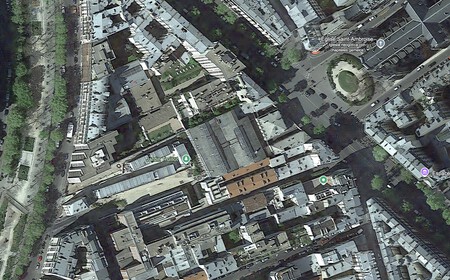
<span>Truillot in 2014</span>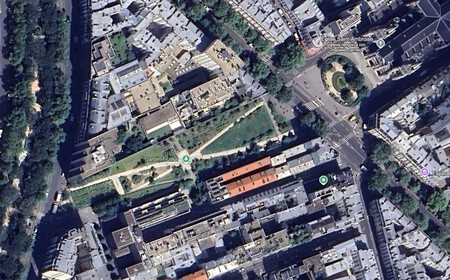
<span>And in 2024</span>With these innovative strategies, Paris aims to achieve 40% social housing by 2035, an ambitious leap from the current 25% —a figure achieved over a span of twenty years. Furthermore, new housing projects will need to meet specific criteria, including the adoption of energy-efficient systems and the integration of green spaces, promoting a model of vegetated neighborhoods that aligns with wider ecological aspirations.
However, this ambitious plan has garnered its share of criticism and skepticism regarding its true efficacy in alleviating the housing crisis. Detractors argue that relying on the conversion of vacant offices may give the impression of progress without addressing the core issues, as the number of convertible offices is relatively limited, potentially leaving the overarching goals unmet.
Moreover, the transition process itself isn’t straightforward. Many offices are dated , posing substantial challenges in energy efficiency and adaptability to meet residential standards regarding light , ventilation , and accessibility . Lastly, financial concerns loom large— rehabilitation costs may deter private investment, compelling developers to lean heavily on public funding to bear these extensive financial burdens.
In summary, while Paris is making strides towards addressing housing shortages through innovative policies and conversions, the effectiveness and feasibility of these initiatives remain central to the city’s battle against ongoing housing challenges.