
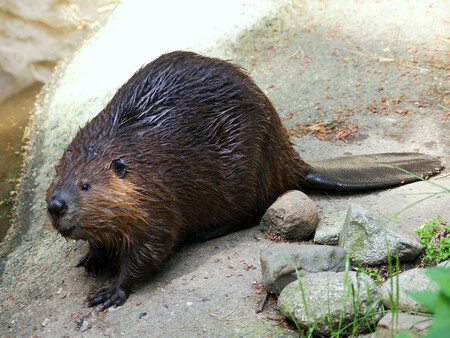
Beavers: The Unexpected Rodents Reshaping Zaragoza’s Riverbanks
Zaragoza, a city known for its rich history and vibrant culture, faces an unusual ecological dilemma along the Ribera del Ebro. Recently, the local City Council reported an alarming count of 70 damaged trees along the riverbanks, primarily black poplars. The culprits behind this large-scale tree damage? Surprisingly, it’s the beavers.
What Happened?
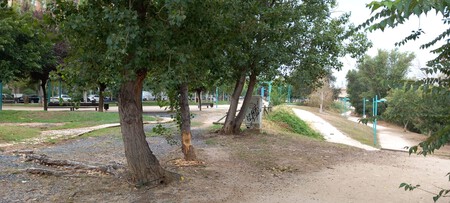
In a rather natural but concerning phenomenon, municipal technicians have discovered that many trees are being gnawed down, leaving a visible mark of destruction. These trees, especially located within parks and recreational areas, pose a significant risk to public safety. One particular black poplar, found in a parking lot, has deteriorated to the point where it must be forcibly removed. The visible damage shows a distinct crescent-shaped mark stripped of bark, surrounded by splinters—a clear indication of the beavers’ handiwork.
Is the Damage Serious?
Not all affected trees pose an equal threat. However, areas like the Park of the Eyes have raised red flags due to a considered collapse risk. The City Council’s assessment highlights the dangers associated with such compromised trees, especially in spaces frequented by citizens. The implications of these damages are more than just aesthetic; they can lead to potential injuries and liability issues.
Who is Responsible?
The main suspect is, without a doubt, the beavers. These industrious rodents are known for their notorious tree-felling habits, which they engage in to create their habitats and gather food. The City Council has reported that the damage is not limited to just a few isolated incidents but spans across several areas, including the banks of Huerva and Gállego rivers.
In March, a proactive plan was set into motion by the Ministry of Environment to safeguard the trees along the Ebro. Protective mesh coverings were placed on the vulnerable trees in a bid to thwart the beavers’ attempts to gnaw on the bark. This initiative began on the left bank of the river, specifically targeting regions heavily impacted by this rodent invasion.
Beavers in Aragon?
Yes, you read that right! The increasing presence of beavers in Aragon has been acknowledged by local authorities for several years. Previously, farmers near the Jalón River expressed their frustrations over the destruction caused by these animals on their fruit trees, prompting discussions that even reached the halls of Congress.
The European beaver had nearly ventured into extinction by the late 19th century, primarily due to extensive hunting and habitat loss. It wasn’t until the late 20th century that illegal reintroductions of beavers occurred in Spanish rivers, including the Ebro. These activities have resulted in a burgeoning population, and experts have now identified beavers in various rivers across the Iberian Peninsula.
What Do We Do With Them?
Legal and environmental complexities surround the management of these beaver populations. Despite being classified as a protected species under European regulations, the European beaver or Castor fiber presents challenges in urban settings like Zaragoza. The City Council underscores a paradox where an illegally reintroduced species is nevertheless protected, despite the ecological and safety risks they introduce.
Activists known for their rewilding efforts on behalf of the beavers have referred to the unauthorized rewilding as “beaver bombing.” They argue that the benefits of beavers help in the restoration of ecosystems, but such actions conflict with guidelines typically mandated for species reintroductions.
Why is This Important?
Understanding the dynamics of managing native species is crucial, especially with an extinct species making a comeback. As biologist Jacinto Román aptly put it, the debate isn’t about whether they are inherently good or bad but understands the impact of a species that once thrived in these environments.
In urban environments, damage from beavers highlights the fragile balance between wildlife and human habitation. The extensive damage caused has prompted Zaragoza’s local government to initiate plans for planting over 1,700 trees across districts, which will serve to replace those lost to these chomp-happy rodents. Such sustainable efforts may be vital in preserving both wildlife and urban landscapes.
The resurgence of the European beaver in Zaragoza illustrates a pressing need for balanced conservation efforts. It calls for thoughtful discussions on how to harmonize the interests of local ecosystems with urban development. As we learn to coexist with these unique creatures, the ongoing dialogue will shape the future of our natural environments and public safety policies alike.