

BYD’s Ambitious Expansion Plans: A New Era of Ultra-Fast Charging in Europe
The skyline of electric vehicle (EV) innovation is rapidly changing, and at the heart of this transformation is BYD, a prominent Chinese automotive manufacturer. During the prestigious Munich IAA Mobility show, BYD unveiled its plans to introduce 1 MW (1,000 kW) chargers in Europe, with an ambitious target of establishing 200-300 charging stations by the second quarter of 2026.
The Need for Speed: Charging Up to 400 Kilometers in Just 5 Minutes
Why is BYD making this significant investment? The answer lies in their promise to revolutionize EV charging. By providing a recharge capability that allows drivers to gain 400 kilometers of range in just five minutes, BYD aims to make electric refueling as quick and convenient as traditional gasoline filling. Owners of these 1 MW chargers will experience a level of efficiency that, until now, remains unparalleled.
Stella Li, BYD’s Vice President, emphasized this vision during the presentation, stating that their “Flash charge” initiative is set to begin its European deployment in 2026. This strategic move is not only about speed but also establishing a solid foothold in the European EV market.
Denza: Luxury Meets Innovation
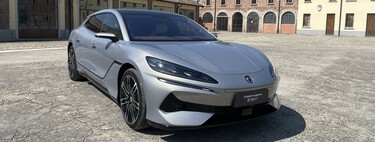
This initiative heralds the arrival of Denza, one of BYD’s luxury brands. The introduction of the Denza Z9GT—a hybrid vehicle that combines luxury with performance—marks a bold entry into the European market. While pricing details remain under wraps, industry experts suggest the vehicle could exceed 100,000 euros, positioning it competitively against established European brands.
During the presentation, BYD refrained from disclosing the exact sales volume they expect from the Denza line, implying a strategic approach focused on demonstrating their technological advancements rather than immediate revenue generation.
The Flexibility of Charging
Currently, not a single vehicle in Europe can harness the 1,000 kW charging power that BYD plans to implement. In fact, only a couple of models in China are capable of achieving 400 kilometers of range within five minutes of charging. BYD’s approach includes two 500 kW plugs, providing versatility for charging not just electric cars but also trucks—highlighting a significant flexibility in their charging systems.
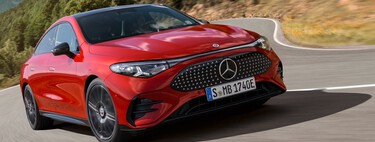
Yet, doubts loom regarding the practicality of these high-capacity chargers, considering there are currently no vehicles capable of taking full advantage. Nevertheless, the launch of advanced models like the Mercedes GLC and BMW IX3 indicates a growing demand for minimal wait times, signaling a potential shift in market dynamics.
Charging Station Landscape in Europe
In the European market, companies such as Zunder and Repsol are already activating 400 kW charging points, while Ionity has plans to roll out 600 kW chargers soon. These ongoing developments mean that while the majority of EVs remain below the 300 kW threshold, the race to build the future of EV charging infrastructure is already underway.
Setting the Benchmark
BYD’s strategy to position itself with 1 MW chargers reflects a long-term investment in establishing itself as a benchmark brand in EV technology. Though it is unlikely to see immediate economic returns due to the current capabilities of electric vehicles, this move sets BYD up as a pioneer in the industry.
The exclusivity of vehicles that can recharge at such high power serves to elevate BYD’s visibility in a competitive market. While they may not claim the title of the fastest vehicle, their charging solution contributes to a broader conversation about the future of electric mobility.
Challenges Ahead
Despite BYD’s advancements, the company faces the challenge of capturing interest among consumers. Achieving this will require visibility in mobile applications used by EV owners and relevance in search engines. Importantly, they will need to keep charging prices competitive. A charging station offering immediate economic value will attract usage, even if vehicles are currently limited in their charging capacities.
In a rapidly evolving market, BYD’s strategic focus on ultra-fast chargers, combined with a strong branding approach, suggests that they are more than prepared to face the challenges ahead.