
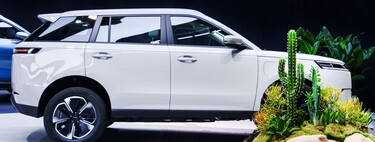
In a recent conversation with Shawn Xu , the multifaceted CEO of Omoda and Jaecoo , as well as the global vice president of the Chery Group , it became clear how serious the company’s expansion into European markets is. We found ourselves in the offices of Omoda and Jaecoo, located in northern Madrid, a strategic move for Chery as it dives deeper into the European automotive scene. With Xu’s thoughtful demeanor and patience, he revealed insights about the brands’ future, their vehicle offerings, and how they plan to resonate with the Spanish audience—a market ripe for innovation and change.
“We Know What the Spanish Audience Likes”
Xu states, “ Spain was the first country where we launched, followed by Poland and now Germany, among other markets. Before we open doors to additional countries, we need to study customer trends and preferences.” This approach has certainly paid off; since the unveiling of Omoda in February 2024, they’ve seen impressive traction, with over 7,786 units sold within eight months. This energizing start has established Omoda as a palpable contender in Spain’s competitive automotive market.
Shortly after the launch, Jaecoo made its entrance with the Jaecoo 7, which also gathered significant attention. Together, both brands closed 2024 with nearly 9,000 units sold —an impressive feat for just their first year. The new versions include hybrid models of Jaecoo and nearly a token electric version of Omoda, expanding their offerings further with the introduction of Omoda 9 and soon-to-be-released Jaecoo 5.
Yet, as Xu points out, it is not just about the vehicles. “In Omoda, for instance, we focus solely on crossover styles. Our vehicles are visually striking and easily recognizable on the road, which resonates with the Spanish audience. They want to feel different, and that is what we deliver,” he elaborates.
Bringing Together Eastern and Western Innovations
The blend of Eastern and Western designs is another aspect that sets these brands apart. Xu emphasizes that while both markets revolve around similar concepts, their execution can differ greatly. European manufacturers often struggle to captivate the audience, as many consumers seek something beyond just flashy designs. They desire comprehensive experiences, something that Chinese brands are now leveraging through advanced software integration.
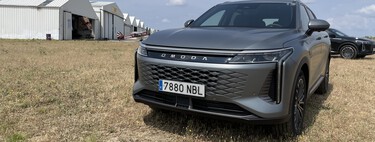
Xu reveals, “We were born for a global market. Our extensive experience allows us to adapt quickly to heavily regulated regions such as Europe.” Their commitment is evident, even in the technology used in vehicles like the Ebro , which have been refined to accommodate European standards with a feel of luxury often absent in competitors.
In a nod to modern consumer habits, Xu explains that the automobile is not just a vehicle but a lifestyle . “In the Jaecoo 5, we offer features like karaoke, allowing you to enjoy long trips with friends in a fun way. Moreover, we are also considering pet-friendly designs with easily cleanable seats.” This tailored approach showcases how cultural nuances can lead to innovative solutions in auto design.
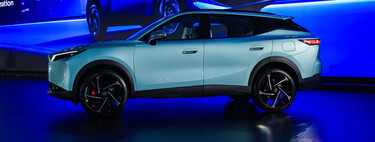
Xu shares a personal experience where he engaged with a couple seeking a larger vehicle for their pet during a dealership visit in Poland. This feedback led to the creation of a pet-friendly vehicle design, illustrating how customer insights directly influence product development.
Challenges: Charging Infrastructure
However, challenges persist, particularly surrounding electric vehicle charging infrastructure . Xu points out the differing environments between China and Europe regarding electric vehicles. Chinese megacities encourage the use of electric cars due to their low consumption rates, while in Europe, the situation is more complex as car ownership varies per household.

“In Europe, many households own more than one car,” Xu explains. This might make Omoda’s electric and hybrid models appealing for daily use, complemented by traditional combustion vehicles for longer journeys. “The hybrid is perfect for this need,” he adds.
Omoda emphasizes that their plug-in hybrids (PHEVs) are advantageous not just economically but also in performance. “Consumers in Europe enjoy powerful yet fuel-efficient cars, and our new Omoda 5 hybrid will cater directly to that demand,” he says.
As the conversation winds down, Xu reveals that Omoda and Jaecoo are committed to understanding and adapting to the European market. They are currently fine-tuning the Jaecoo 8 for consumer preferences before its launch, planning to solidify their footprint in the European automobile landscape.
Shawn Xu’s vision for Omoda and Jaecoo highlights a growing trend: the integration of local cultures with global strategies. As brands like these continue to emerge on the European scene, their ability to balance the demands of diverse markets and consumer expectations becomes crucial, ensuring they not only deliver vehicles but rich experiences that resonate in an increasingly digital world.