
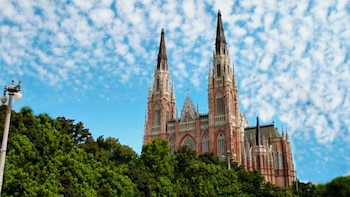
Weather Forecast for La Plata, Argentina: What to Expect This Saturday
To ensure you’re well-prepared, check out this weather prediction for the upcoming hours on Saturday in La Plata, Argentina.
Rainfall Prediction
The probability of rainfall for Saturday in La Plata is expected to be 0% during the day and 0% throughout the night. This means that you can leave your umbrella at home!
Temperature Expectations
As for the temperature, a maximum of 14 degrees and a minimum of 6 degrees Celsius are anticipated in the region. Keep in mind that UV rays will reach a level of up to 5, so some sun protection may still be needed, especially if you’re out during peak daylight hours.
Wind Conditions
Wind speed will be a notable factor; expect gusts reaching up to 28 kilometers per hour during the day and 22 kilometers per hour at night. This may lead to a chillier feeling than the actual temperature suggests.

A Glimpse of La Plata
Located a mere 56 km southeast of CABA, La Plata is often dubbed the “Student City”. This vibrant locale hosts numerous events, congresses, and courses, making it the fifth most important capital in Argentina within the realm of “Meeting Tourism.” Its cultural richness and significance cannot be overstated.
Climate Characteristics
One of the distinctive features of La Plata is its predominantly cloudy climate. Winters can be intensely cold with brisk winds, while summers tend to be hot and humid, often accompanied by rain. This fluctuation in weather often keeps residents on their toes.
Climate Trends in Recent Years
The National Meteorological Service has reported that 2021 was one of the warmest years for Argentina as a whole. Specifically, Patagonia experienced significant temperature elevations, with values recorded up to 2°C above the statistical average. In contrast, areas north of the 35th parallel largely maintained typical temperature averages.
The same report specified that there were only three months throughout the year where temperatures dipped below normal—January, May, and June—indicating a unique warm trend across the country. Most notably, April and September recorded exceptionally warm anomalies that raised flags among meteorologists and environmental scientists alike.