
The Water Crisis in the Balearic Islands: A Touristic Paradise Struggles
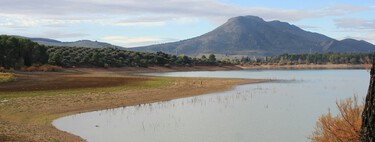
The tourist paradise of the Balearic Islands faces its most uncomfortable mirror: The dry tap. As the archipelago braces for a summer that points to record figures of visitors, its water resources are collapsing to historical minima. In this alarming scenario, the municipality of Sóller, with just over 13,000 inhabitants, has barely guaranteed water for 10 days , while Ibiza records its worst water reserves in a decade .
Sóller: The Epicenter of the Crisis
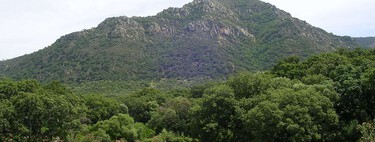
The strongest alarm sounds in the Sierra de Tramuntana , Mallorca. A recent report indicates that the Sóller Town Council has been forced to decree emergency measures as of August 29. These restrictions include a ban on filling swimming pools with potable water, watering gardens or orchards, washing cars, and even cleaning building facades. The municipal cleaning service has also been restricted in its use of water for street maintenance.
The situation, which the mayor has described as “nothing encouraging,” has sparked outrage among residents. Bartu Miró, spokesperson for the local platform SOS Soller, criticized the municipal government’s negligence in prioritizing tourism while neglecting local water needs. “We are now in an emergency,” he stated, pointing out that the council waited until the last moment to act, despite the fact that the shortage was a predictable problem.
A Ghost of the Past
Residents worry that history may repeat itself. Previous episodes of aggressive water extraction have led to salinization of aquifers, making them unusable for extended periods. In 2001, ten out of the 21 aquifers in Mallorca were salinized, with some containing levels exceeding safety limits. Experts now regard this as a significant technical and management failure, which has escalated to the level of requiring supply cuts across various areas, including hotels.
An Archipelago on Prealert
The crisis in La Tramuntana is not an isolated issue; it symbolizes a larger problem affecting the entire archipelago. According to regional data, by July 2025, nearly all demand units are facing a prealert scenario for drought. Only Formentera and the southern zone of La Tramuntana are currently spared, although they are still subject to restrictions, as seen in Sóller.
Worrisome Data from Ibiza
Ibiza confronts its worst water reserves in years, echoing the alarm raised back in June 2016 during a previous drought alert. In Menorca, the situation is similarly dire, with reserves currently at only 40% , marking its second-worst historical record.
Even though Formentera is facing a less severe pre-alert status, it still exists in a fragile state. With less than 400 liters of rain per year , the island relies heavily on water produced by desalination, which comes at a significant energy cost.
Tourism’s Heavy Water Footprint
While residents are urged to conserve water by not washing cars or running half-full washing machines, experts caution that the tourist model of the islands is contributing significantly to the problem. A report from the University of Les Illes Balears (UIB) indicates that 25% of the total water consumption is attributed to visitors.
Pere Joan, spokesperson for the Menys Turisme platform, critiques that “restrictions often target the areas least frequented by tourists.” This statement hints at a management style that prioritizes visitor consumption over local necessities.
Technological Solutions: A Double-Edged Sword
In response to this alarming situation, the Balearic Government has initiated an action plan involving an investment of 288 million euros to enhance water supply, focusing on the expansion of desalination plants and improving sanitation networks. Another 4.4 million euros are being allocated for refined water reuse, a critical strategy to alleviate pressure on the ailing aquifers.
Challenges of Desalination
While desalination plants play a crucial role in supplying drinking water to coastal regions, they come with significant drawbacks. The energy impact is considerable; desalination requires a large amount of energy, which poses economic and environmental challenges. Furthermore, the brine produced can adversely affect marine ecosystems, particularly Posidonia grasslands , vital for Mediterranean biodiversity.
Overall, the Balearic Islands are facing a critical water crisis exacerbated by unsustainable tourism practices. Despite the introduction of technological solutions, the path to resolving this issue remains fraught with challenges that require urgent and thoughtful action to ensure sustainable water use for both residents and tourists alike.