
Olympique Lyonnais, a historic name in French football with seven Ligue 1 championships , recently navigated a tumultuous period as they faced existential challenges within the club. The decision to dismiss John Textor has reignited faith among fans and stakeholders alike, steering the club away from the precarious depths of relegation. While the team managed to maintain its place in Ligue 1 , financial constraints necessitated a cautious approach in the summer transfer window. The executive board, acknowledging the necessity of strategic investment, focused on enhancing the squad despite a limited budget, where the most significant signing was a mere €10 million .
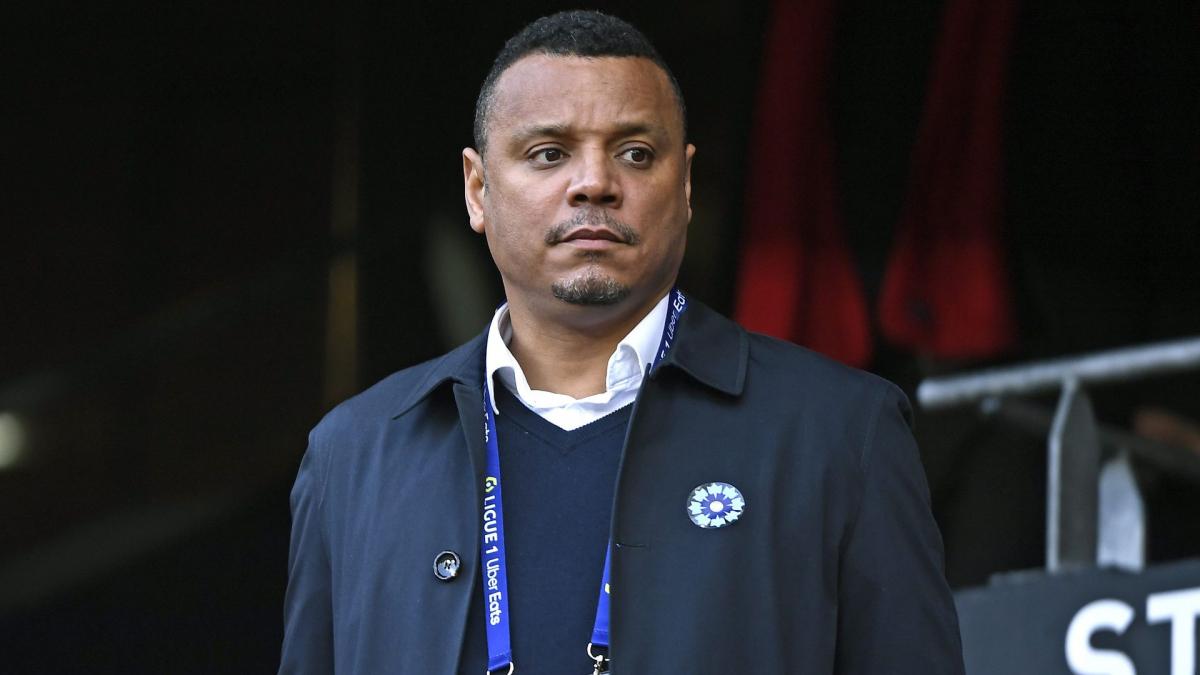
Despite these challenges, Matthieu Louis-Jean , the sports director of the club, exuded optimism regarding the transfer dealings, highlighting the arrival of promising talents like Morton, Turner, Sulc, Greif, Kluivert, Moreira, and Karabec . In his assessment, he noted, “It was a complicated transfer period for us because of the DNCG restrictions. We adapted appropriately and remained vigilant in our recruitment strategy.”
This reveals a deliberate shift in the club’s transfer philosophy, where every signing was meticulously analyzed through the lenses of financial viability and the character of the players. Louis-Jean emphasized the refinement of their recruitment process: “We had three important rules for us: the level, the state of mind, and the economic situation.” This meticulous approach reflects a commitment to avoiding previous missteps in the transfer market while aiming to rejuvenate the club’s fortunes.
Investment vs. Restrictions
As the summer transfer window drew to a close, a bittersweet sentiment lingered around the club. One of the standout figures, Georges Mikautdze , was sold to Villarreal for €30 million , a lucrative deal that certainly boosted the club’s financial standing. However, the sale also left a gaping void in the squad. The inability to secure a replacement for the Georgian forward became apparent during pivotal matches, most notably against Olympique de Marseille . Despite creating numerous scoring opportunities, the team conspicuously lacked a clinical finisher, underscoring the fragility of their attacking unit.
Louis-Jean addressed these concerns during a press conference, revealing the arbitration of their transfer strategy. “We wanted to bring in an additional forward, but we couldn’t make it happen due to contractual complications,” he noted with evident disappointment. The urgency of securing a proficient number nine was palpable, amplifying the necessity to depend on Martin Satriano , who arrived but was perceived more as a hopeful project than an immediate solution.
“We know that the workforce is not complete, and we would have liked to have an additional attacker,” emphasized Louis-Jean. This illustrates a broader strategic objective: to avoid hasty purchases that could further jeopardize the club’s financial integrity. By strategically weighing the balance between ambition and pragmatism, OL seeks to rebuild not only its squad but also its stature in French football .
Lessons Learned
Reflecting on the tumultuous path to the current squad configuration, it becomes increasingly clear that Olympique Lyonnais is committed to eschewing the impulsiveness of previous transfer windows. “We didn’t want to repeat the mistakes of the past,” noted Louis-Jean, subtly acknowledging the intertwined nature of club management, financial health, and competitive performance. The words carry weight, particularly when set against the backdrop of a rapidly evolving landscape in European football, where financial fair play regulations demand prudent oversight.
Moving forward, the club aims for gradual progress rather than immediate triumphs. The stated objective is not to clinch the title but to outdo their performances in recent seasons. “We are targeting to improve rather than focus on the title right now,” he indicates, reinforcing the notion that recovery is a process , not an event.
In conclusion, Olympique Lyonnais stands at a critical juncture, where careful considerations about player acquisitions and financial sustainability intertwine. The path ahead may be fraught with challenges, but the club’s renewed focus on resilience and strategic decision-making will be crucial in this rebuilding phase. As they await the January transfer window , the hope is that the tactical foresight and commitment to gradual improvement will lead OL back to their rightful place atop French football.