
Film director Jim Jarmusch has famously declared that the only genre he doesn’t fully understand is the biopic . He states, “Most of life is spent without doing anything interesting, which is precisely what makes life so fascinating. How do you depict that?” While one may agree or disagree with his sentiments, two new films featured in the Venice Film Festival’s official section certainly put Jarmusch’s perspective to the test. It’s worth mentioning that the filmmakers from Ohio , where Jarmusch hails from, are not always right.
Neither The Smashing Machine by Benny Safdie nor The Testament of Ann Lee by Mona Fastvold met the high expectations set for them, despite both narratives involving individuals who lived extravagant lives. The Smashing Machine , which delves into the life of Mark Kerr , a pioneer in Mixed Martial Arts (MMA) , conveys an intense contrast between the protagonist’s indestructible persona inside the ring and his vulnerability outside of it. The film centers on the physical and emotional battles that characterize Kerr’s life, making it a compelling watch for MMA enthusiasts and casual viewers alike.
The film’s conception revolved around exploring contrasts, a classic trope in the biopic genre. It showcases a man who is seemingly indomitable in the ring yet fragile in everyday life. Featuring a dramatic performance from Dwayne Johnson (formerly known as The Rock ) alongside Emily Blunt , the film is an exciting prospect given Safdie’s knack for creating electric narratives, as seen in previous films like Good Time and Uncut Gems . However, as audiences soon discover, the film fails to deliver on many counts.
A significant issue plaguing The Smashing Machine is its lack of focus. Safdie’s eagerness to be original often leads him down the wrong path. Just when the film picks up momentum with intense action sequences, it abruptly shifts gears, introducing a conventional family melodrama that detracts from the narrative. The tragic elements, such as the devastating reality of addiction, appear shoehorned into moments where precise character motivations and emotional layers are conspicuously absent. This inconsistency dilutes both redemption and defeat, leaving viewers with a confusing blend that lacks narrative logic.
Despite its flaws, the rawness of the fight scenes is strikingly authentic, often hard to watch but successfully capturing the visceral nature of martial arts. Each fight is executed with a skillful direction that showcases Safdie’s talent for crafting action. However, despite the adrenaline-inducing scenes, viewers may find that the emotional impact is lacking. The fights may stun, but they ultimately fail to resonate deeply.
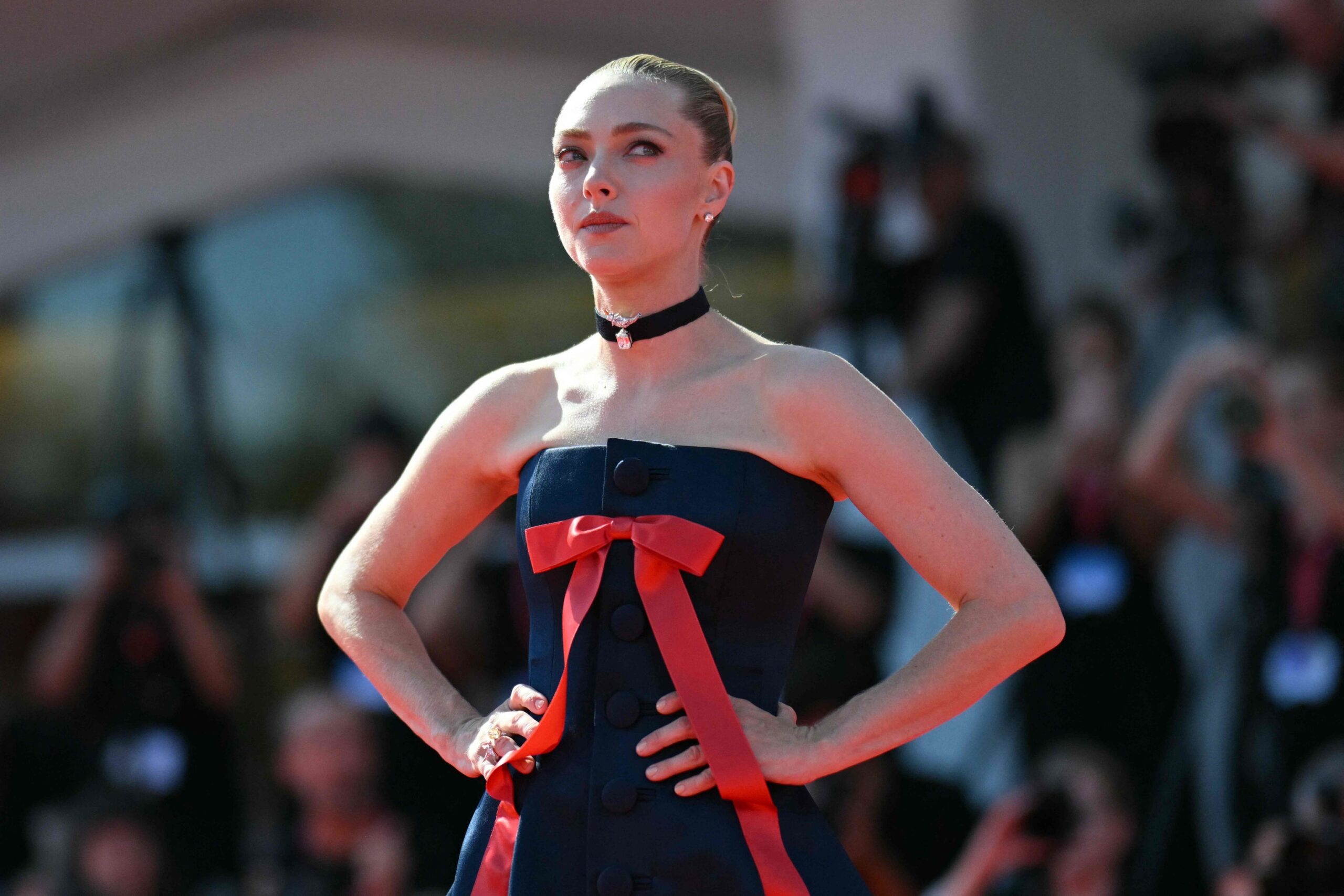
Amanda Seyfried at the red carpet of The Testament of Ann Lee.AFP
Screaming in prayer is not praying
In contrast, The Testament of Ann Lee provides a more ambitious narrative, presenting the life of Ann Lee , the founder of the radical Shaker movement in the late 18th century. Central to this belief system was the notion that prayer could complement physical expression, with followers engaging in unique dances and convulsions. Fastvold’s vision attempts to capture this duality by blending the seriousness of Lee’s struggles with an imaginative twist, transforming what could be a straightforward story into a hybrid musical . For this audacity alone, the film should be commended.
However, much like Safdie’s film, the effort to innovate often turns into a muddled experience, straying too far from conventional storytelling. The film boasted Amanda Seyfried in a role that required her to remain in a state of ecstatic revelation. Still, despite its intriguing premise, the film’s execution ends up exhausting rather than engaging. Fastvold offers all elements without a coherent structure, leading to an overwhelming experience where the intended themes of dignity , freedom , and social progress become buried under a clutter of ambition. The eagerness to experiment is evident, but it ultimately detracts from the core message that should shine through.
Interestingly, the sole exception to Jarmusch’s rule appeared to be Marco Bellocchio , who presented two episodes from his series Portobello . The series centers on the life of Enzo Tortora, an unjustly accused television star from the 1980s, navigating the murky waters of Italian law and media. Bellocchio’s storytelling encapsulates recent Italian history with depth, revealing nuances that resonate far beyond a standard biopic. His approach, reminiscent of his acclaimed work Exterior Night , showcases a narrative that is not merely interesting, but profound and richly layered.