
The Unfolding Crisis in Darfur: Conflict’s Toll on Lives and Communities
At least seven lives have been lost and 71 others injured due to a bombing by the rapid support forces (RSF) in El Estra, a town within Darfur , a region that has been marred by historical conflict. This recent incident occurred on a Saturday afternoon, as reported by the Network of Physicians of Sudan , an organization that has been tracking the grim casualty numbers in the area, according to the news portal Sudan Ajbar .
The Ongoing Conflict: A Brief Historical Context
The devastating war between the Sudanese Army and the paramilitary Rapid Support Forces (RSF) erupted in April 2023 , following tensions that have plagued Sudan for years. Scholars and analysts point to this conflict as a resurgence of ongoing historical community disputes in Darfur, where grievances have simmered for decades.
The RSF, originally formed from the Janjiweed militia known for their notorious actions during the Darfur genocide in the early 2000s, are now functioning under the guise of a legitimate military force. Since the conflict reignited, they have sought to exert control over vital areas, significantly increasing their influence throughout the region.
The Human Impact of War
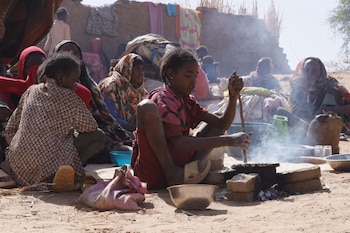
The recent bombing in El Estra is not just another statistic; it amplifies the humanitarian tragedy facing the people of Darfur. The civilian population continues to bear the brunt of this war, with numerous families separated and properties destroyed. As the RSF focuses on taking control of key regional towns, the fighting has displaced thousands, driving them into overcrowded and unsanitary camps.
Hospitals and other medical facilities have been overwhelmed with casualties, further complicating an already dire healthcare crisis in the region. With limited resources and constant threats from the ongoing conflict, medical professionals are struggling to provide adequate care.
The International Response
The international community has expressed concern over the escalating violence in Sudan, yet tangible action has been limited. Several humanitarian agencies are calling for an immediate ceasefire and urging governments to intervene before the humanitarian situation deteriorates further. Unfortunately, diplomatic efforts have often fallen flat against the backdrop of ongoing violence.
### Aid and Humanitarian Access
Despite the challenges, various NGOs continue to operate in the region, attempting to deliver much-needed aid. However, logistical challenges hinder these efforts, and many are unable to reach hard-hit areas. Access to food, clean water, and medical supplies is dwindling, exacerbating the critical situation faced by those in the country.
The Path Forward: A Call for Peace
The persistent instability in Sudan highlights the urgent need for a new approach to peacebuilding. Stakeholders, both internal and external, must unite to address the root causes of the conflict. Long-term peace will require a reconciliation process, which includes acknowledging the injustices faced by communities over the years.
As the people of Darfur brace for yet another chapter in this complex saga, it becomes increasingly clear that sustainable peace is essential to secure the future of the region. Without coordinated action and a commitment to peace, the cycle of violence and retribution seems poised to continue.
In conclusion, the recent bombing incident in El Estra is a stark reminder of the human cost of the ongoing conflict in Darfur. As the situation continues to evolve, it calls for urgent attention and action from the international community to halt the violence and pave the way for long-lasting peace in the region.