
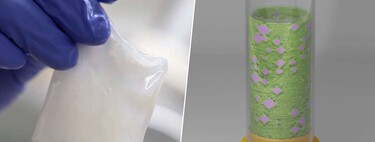
The global plastic crisis poses a significant challenge to our environment, taking centuries to degrade and leading to severe pollution. Yet, an unexpected ally might emerge from the world of insects. A recent study has shown that the caterpillars of the wax worm, scientifically known as Galleria mellonella, can consume and metabolize polyethylene—one of the most common plastics in existence—at an astonishing rate.
A Decomposition That Is Not Perfect. According to research presented at the Annual Conference of the Experimental Biology Society, not only do these caterpillars, dubbed “plastivorous,” consume plastic, they also break it down metabolically and convert it into body fat in just a few days. Remarkably, a group of around 2,000 caterpillars can eliminate a standard polyethylene bag in less than 24 hours.
The Problem of the Plastic Diet. Polyethylene is the plastic commonly found in shopping bags, containers, and various everyday products. Its chemical resistance makes it incredibly durable, rendering it a persistent environmental contaminant. Discovering that a living organism can naturally break down this ubiquitous plastic opens up revolutionary possibilities for waste management.
However, the solution isn’t as straightforward as simply releasing millions of caterpillars in landfills. Dr. Bryan Cassone, a professor at the University of Brandon in Canada and the project leader, notes a significant drawback: an exclusive diet of plastic is fatal for wax worms. “They do not survive more than a few days with a plastic diet and lose a considerable mass,” Cassone explains.
It Is as If a Human Swells with Fat. The process by which these caterpillars metabolize plastic resembles the human condition of excessive fat consumption. Instead of gaining optimal nutrients, the caterpillars convert the plastic into lipids that accumulate in their adipose tissue, ultimately leading to their demise.
It Is Not the First Time This Possibility Is Explored. As the magnitude of the plastic problem has grown, scientists continue to seek solutions for breaking down the plastic we generate. In 2022, Australian researchers discovered that ‘super worms’ could consume polystyrene, thanks to enzymes present in their metabolism.
Wax worms have previously been the focus of research revealing their capacity to decompose plastic. This latest study takes it a step further, deeply analyzing their processing system and exploring the implications for plastic remediation.
Towards a Sustainable Solution: Supplements and Bioengineering. Despite the challenge that fat accumulation presents, scientists are transforming this captivating biological process into a scalable solution for pollution control. They are pursuing two primary avenues: creating a mixed diet and replicating the breakdown process in the laboratory.
Creating a Mixed Diet. Researchers are experimenting with “co-supplements” like sugars and other stimulants, which will be combined with polyethylene. Their goal is to formulate a feed that not only sustains the caterpillars but optimizes their plastic degradation ability, fostering a circular economy where waste becomes a source of food.
Replicating the Process in the Laboratory. The second approach is even more ambitious. This endeavor involves thoroughly studying the biological mechanisms and intestinal microbiome of the caterpillars to identify the enzymes and bacteria responsible for plastic breakdown. Successful replication of this “biodegradation” process on an industrial scale could lead to a solution without relying on raising insects.

Numerous daily products have already benefited from the use of bacteria, fungi, or enzymes. Thus, extrapolating this insect-based process to industrial applications could be the most effective way to control plastic waste management.
From Garbage to the Plate. As if tackling a significant environmental issue weren’t enough, this research has the potential to deliver unforeseen economic benefits. Large-scale breeding of wax worms could yield substantial insect biomass.
Dr. Cassone hints at the possibility of these worms becoming a highly nutritious food source for aquaculture. This innovative solution could transform a problematic waste product like plastic into valuable food resources, creating a new value chain within the food industry.
Images | Murat i̇di̇kut, Tanvi Sharma
In summary, the research surrounding wax worms and their capacity to metabolize polyethylene may lead to innovative solutions for the ever-growing plastic crisis. With further exploration into dietary optimization and bioengineering, we may harness the power of these insects to mitigate environmental damage, ultimately paving the way for economic opportunities within sustainable practices.