

Lyten Acquires Northvolt: A New Chapter in Battery Production
Lyten has officially acquired Northvolt, a move surprising many in the electric vehicle (EV) sector. For those unfamiliar with the companies involved, Northvolt, a Swedish battery manufacturing powerhouse, was seen as a beacon of hope for Europe’s ambitions in sustainable battery production. The company had attracted an impressive €15 billion in funding from European investors and institutions. However, after facing significant financial challenges, Northvolt is now under the ownership of Lyten, a Silicon Valley startup focused on lithium-sulfur battery technology.
To fully grasp the significance of this acquisition, let’s explore how one of Europe’s most promising battery producers found itself struggling and falling into the hands of an American firm for what some might describe as a bargain price.
Lyten’s acquisition of Northvolt has not been disclosed at a specific public figure, though estimates suggest it exceeds €600 million. According to Lyten’s own announcements, the startup raised $650 million prior to the purchase, indicating a serious financial capability behind this strategic move.
While the details surrounding the acquisition amount remain vague, sources such as Reuters suggest that Northvolt was acquired “at a small price,” reflecting the dramatic decline in the company’s valuation. Industry observers note this as a significant coup for Lyten, but it also raises questions about the sustainability of Northvolt’s future.
Understanding Northvolt
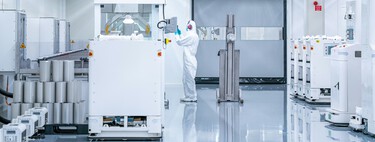
Northvolt was once regarded as Europe’s great hope in the burgeoning electric vehicle battery market. According to The New York Times, Northvolt’s factories in Sweden and Germany are among the continent’s most technologically advanced. Their ambitious goal was to elevate European battery production from a mere 3% to 25% of the global market share.
Operationally, Northvolt employed approximately 6,500 people across its locations, aiming for an impressive production capacity of 60 GWh per year in Germany. This was underpinned by a massive investment in research and development (R&D) aimed at bolstering the European battery supply chain.
The Downfall of Northvolt
Unfortunately, Northvolt faced devastating financial setbacks, culminating in its bankruptcy by the end of the previous year. The company reported debts totaling €5.8 billion and announced layoffs affecting 1,600 employees. In June, BMW canceled a $2 billion contract due to Northvolt’s inability to fulfill orders on time, initiating a cascade of collapses that ultimately saw the entire company fall into disarray.
The demise of Northvolt proved to be a bonanza for Lyten, which stood ready to purchase the remnants of the once-promising enterprise. Lyten, proficient in lithium-sulfur battery technologies, has committed to revitalizing Northvolt, including all its assets and projects it previously had in Canada, but with the considerable burden of its accumulated debt.
Lyten’s acquisition aims to restore customer confidence and encourage previous clients who veered away to consider returning. The overarching ambition is to position Europe competitively against other battery producers, specifically in China.
However, as noted by experts, China’s dominance didn’t manifest overnight. Analysts suggest that it took Chinese manufacturers between 15 to 20 years to establish their control over the battery supply chain. “If you think you can shorten it, you don’t understand the battery business,” cautioned Rob Anstey, CEO of battery developer GDI.
Financial Losses and Future Implications
One of the most sobering aspects of Northvolt’s downfall is the significant financial losses incurred by European investors. Volkswagen, as the primary shareholder with a 21% stake, is estimated to have contributed approximately €1.4 billion. Other major investors included Volvo, BMW, and numerous financial institutions, who collectively poured billions into Northvolt with hopes of securing European battery independence.
Public funding was also heavily invested in Northvolt. The European Investment Bank facilitated over €1 billion in funding, with €943 million still pending disbursement at the time of the company’s collapse. Additionally, German financial support amounting to €700 million remains to be delivered, pending the completion of projects that Lyten might eventually undertake.
Ultimately, the acquisition of Northvolt by Lyten not only underscores the turbulent dynamics of the battery production landscape but also poses critical challenges and questions facing Europe’s ambitions in sustainable energy solutions.
Photo | Northvolt
As Europe aims to solidify its battery production capabilities, stakeholders must closely monitor how projects evolve under Lyten’s leadership while reconciling past financial commitments to rebuild investor confidence and market stability.